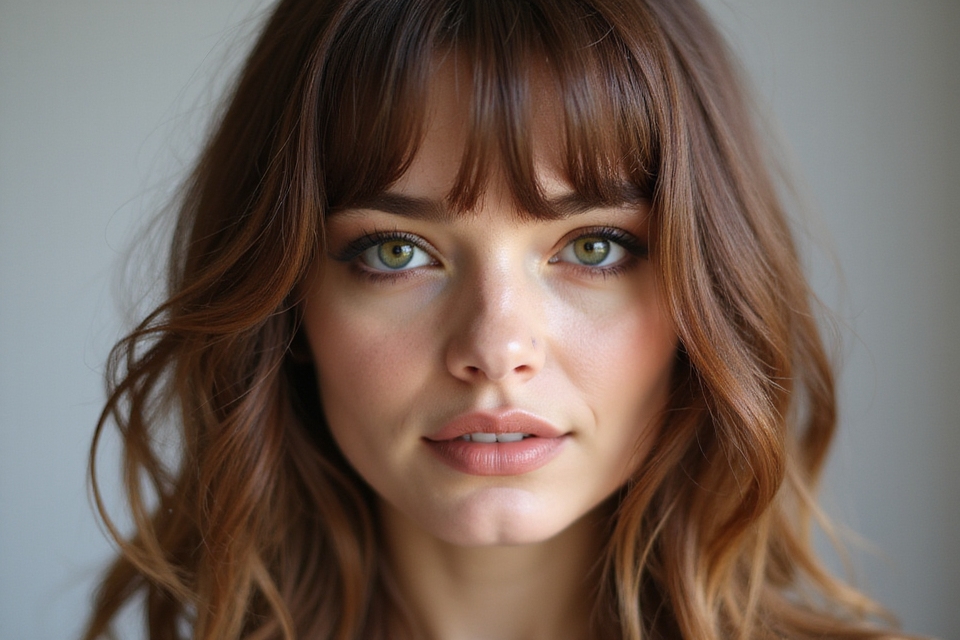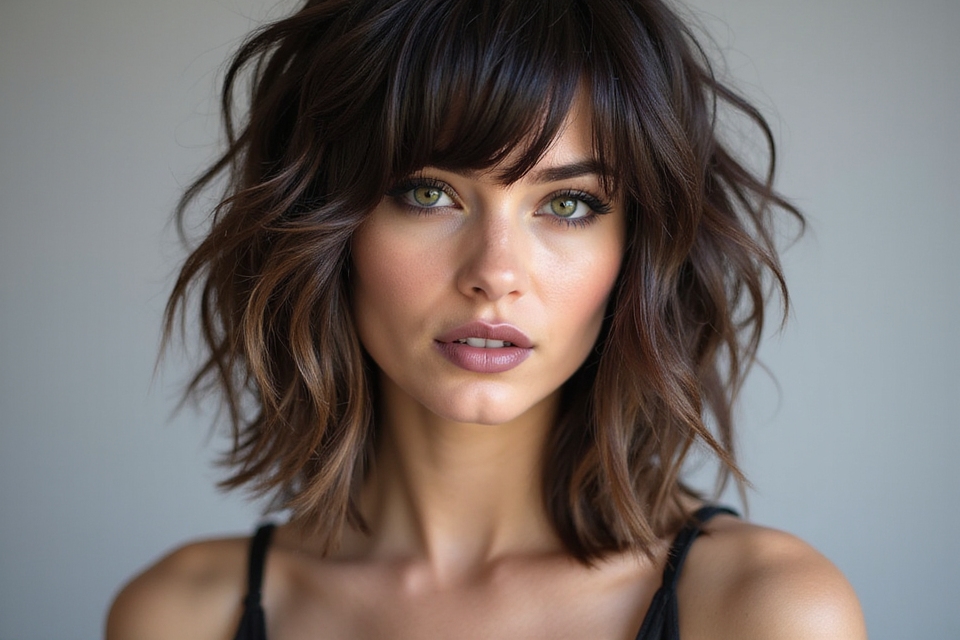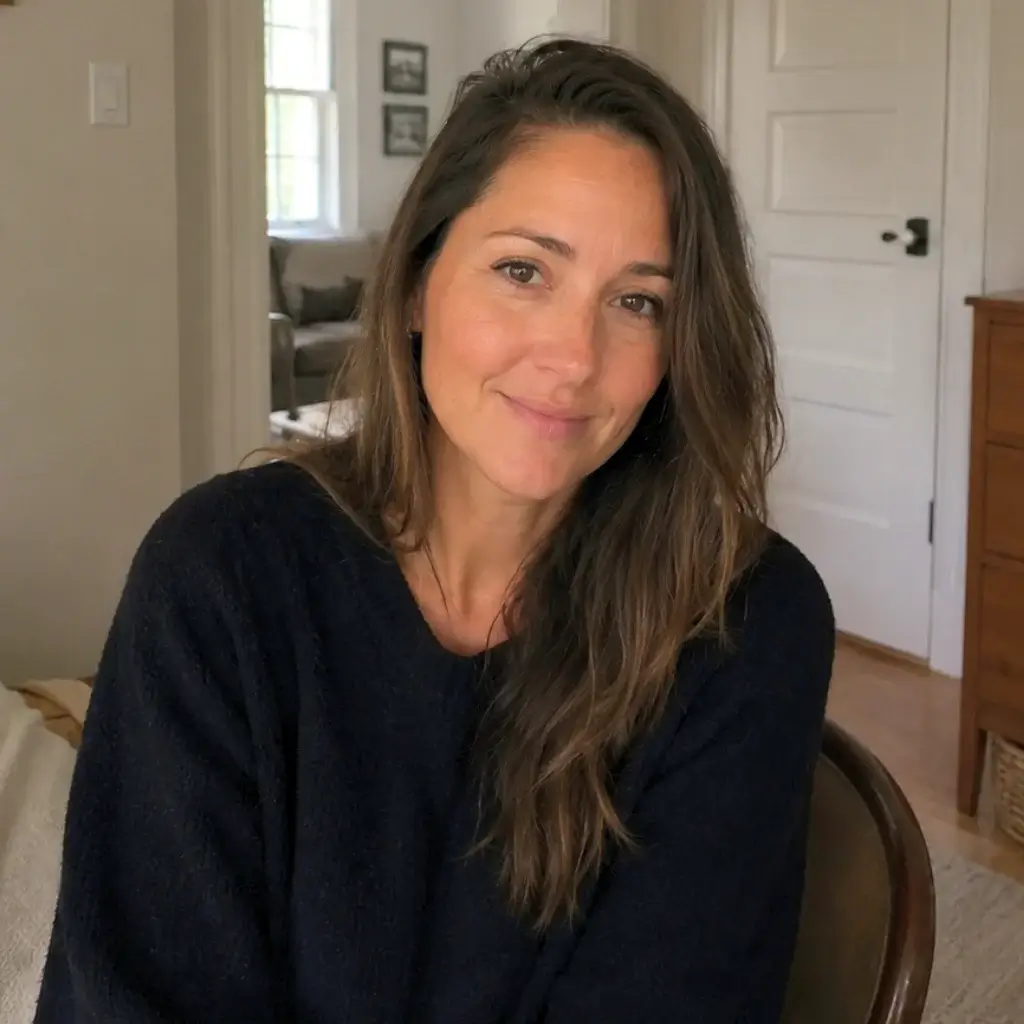

Forget the quiet rulebook women over 60 keep getting handed: keep it short, keep it safe, keep it invisible. I have spent years talking clients out of that rulebook, and the short bob with bangs is my best argument against it.
It is low-effort and sharp at the same time, a cut that frames the face, covers a softening hairline, and looks like a choice rather than a surrender. Here is how to make it work for your hair, your texture, and the energy you actually carry.
Before You Book
- A short bob with bangs frames the face and softens age-related angles with zero cosmetic help.
- The bob holds its shape for four to six weeks, but the bangs need a trim every two to three.
- On thinning hair, soft layers and root lift beat a heavy blunt line for the look of fullness.
- Match the fringe to your face: side-swept for round, fuller for long, wispy for square.
Why This Flattering Cut Works at Any Age

Forget the idea that a short cut is a concession to age. The short bob with bangs has stayed in rotation for a century because it does real work: it frames the face, balances proportions, and trims your morning down to a few minutes.
What keeps it ageless is how it adapts. Worn blunt and sleek, it looks crisp and modern. Worn tousled with a soft fringe, it turns easy and relaxed, shifting along with your mood and with whatever your hair happens to be doing on any given morning.
For hair that has lost some density, the bob’s weighted shape plus a fringe builds the illusion of fullness right up front, where it counts most. That is the quiet trick behind why it flatters at 60 and well beyond.
Face-Framing Benefits for Mature Features

Skin softens and the jawline loses a little definition with age, and a fringe paired with face-framing layers answers both at once. The bangs cover forehead lines and shorten the visual length of the face, while soft pieces at the cheekbone pull the eye toward the center.
I see this lift happen most on clients who let me cut a few pieces shorter around the temples, where hair tends to thin first. Those framing pieces hide sparseness and add a touch of movement. The effect stays soft. It never hardens into a helmet-like line.
👍Why It Wins
- +Frames the face and softens age-related angles
- +Fakes fullness on thinning hair
- +Styles in minutes once you learn the rhythm
👎Worth Knowing
- –Bangs need a trim every two to three weeks
- –Fine hair can fall flat without root lift
- –Cowlicks in the fringe take some training
Styling for Volume and Movement

Volume is the request I hear most from women over 60, and a few habits deliver it. Start with a root-lifting spray at the crown, then blow-dry with your head flipped forward so the roots dry standing up.
A round brush is your best friend here. Wrap sections at the crown, then hit each one with a quick blast of cool air so the lift holds. Through the mid-lengths, a little dry shampoo or texture spray adds grip and body without weight.
Go easy on heat. Aging hair is more fragile and slower to recover. A heat protectant is non-negotiable, and most days you can skip the iron entirely. For more age-specific shape ideas, these short bob haircuts for ladies over 60 dig deeper into cut and volume.
Choosing the Right Bang Style for Your Face Shape

The right bangs depend entirely on your face, so there is no single answer here. I tell clients to choose by balancing their strongest feature and playing it up. A quick guide:
- Round face: long, side-swept bangs that add length; soft curtain bangs work beautifully here.
- Long or oval face: a fuller, brow-grazing fringe to shorten the face.
- Square or angular face: wispy, feathered bangs to soften the jaw, much like a bob with long bangs.
Heads-Up
Aging hair is more fragile and slower to bounce back from heat damage. Always use a heat protectant, keep your iron on a medium setting, and skip daily heat styling when you can. Air-drying with a root spray often gives enough lift on its own.
Maintenance Schedule and At-Home Care

The bob itself is low-effort; the bangs are where the upkeep lives. Build a simple rhythm and the cut stays sharp between visits:
- Book a bob trim every four to six weeks so the shape holds.
- Trim the bangs every two to three weeks, or learn a careful at-home snip between salon visits.
- Wash every two to three days with a volumizing shampoo, since over-washing flattens fine hair.
Color Options That Complement the Cut

Color and a bob with bangs were made for each other, because the short shape shows off dimension at a glance. If you are growing out gray, root shadowing blends the line so the shift looks soft and deliberate.
I recommend soft, face-framing balayage for anyone who wants warmth without heavy upkeep, since it grows out gently and needs only a gloss every couple of months, roughly $40 to $70. Embracing silver is its own reward. A purple-toned shampoo once a week keeps it bright and clear.
A couple of stubborn myths about short hair and upkeep:
❌ Myth: Short hair is zero maintenance
✅ Reality: The bob is low-effort, but the bangs need trimming every two to three weeks to stay out of your eyes.
❌ Myth: Older women should avoid bangs
✅ Reality: A well-placed fringe covers forehead lines and flatters most faces at any age.
Products That Keep Your Bob Fresh

A few well-chosen products carry this cut, so the shelf can stay short. These are the ones I reach for with bob-and-bangs clients:
- A volumizing shampoo and a lightweight conditioner kept off the roots.
- A dry shampoo for second-day lift and to revive oily bangs fast.
- A shine spray or a single drop of light oil for the ends only, and keep it off the bangs.
Common Concerns and Smart Solutions

Every short bob comes with its quirks. Most have easy fixes. Cowlicks in the bangs settle if you blow-dry them side to side while damp, before they dry in their own stubborn direction.
Clients ask me about flatness more than anything else. The answer is rarely more product; it is usually a layered cut that builds volume in, plus a root spray used sparingly. Wiry gray texture smooths with a pea of styling cream worked through damp hair.
A two-minute morning routine for fringe and volume:
1Lift the roots
Mist a root spray at the crown and blow-dry with your head flipped forward.
2Set the bangs
Round-brush the bangs side to side, then a quick cool shot to lock them flat.
3Finish light
A whisper of dry shampoo for grip, and save any oil for the ends only.
Working With Your Natural Texture

Fighting your natural texture every morning is a losing battle, and the bob with bangs rewards you for stopping. Cut and style to what your hair already does, and the whole routine gets shorter:
- Straight hair: lean into a blunt, glossy finish that shows off the clean line.
- Wavy hair: add layers and air-dry with a cream for soft, natural bend.
- Curly or coily hair: ask for a dry cut and keep the bangs longer to allow for shrinkage.
Length Variations Worth Weighing

A bob covers a whole range of lengths, and small shifts change everything. A chin-length bob sits at the jaw for a clean, classic look that flatters most faces.
Go shorter, up to the ear, for maximum lift and a bolder, lighter feel. Drop to the collarbone for a lob that keeps enough length to tie back while still swinging like a bob.
Your best length comes down to your features and your patience for styling. If you are torn between two, browse a wider gallery of short bob hairstyles and take both options to your stylist.
Seasonal Adjustments for Your Bob

Your bob behaves differently as the weather turns, and a few small tweaks keep it in line all year. Humidity, winter static, and hat season each fight your shape in their own way, so it helps to shift your routine a little as the months change:
- Summer: an anti-humidity cream tames frizz and stops the bangs from puffing.
- Winter: a light oil and a silk-lined hat fight static and flat hat-hair.
- Year-round: a weekly mask keeps drier, aging hair from going brittle.
Professional Styling vs. DIY Upkeep

The smartest approach to a bob with bangs blends salon visits with simple home care. A stylist shapes the cut and the fringe far better than anyone can manage alone in a bathroom mirror.
Between visits, a little DIY keeps it sharp and saves money. Here is the split that works for most of my clients:
- Leave the bob shape and any color to your stylist.
- Handle daily styling and the occasional careful bang trim at home.
- Book a professional cut every six to eight weeks to reset the shape.
Versatile Styling for Any Occasion

One of the joys of this cut is how fast it changes character. Smooth it sleek with a flat iron for the office, and it looks polished and pulled-together in five minutes flat.
Add soft bends with a wand for an evening out, or scrunch in texture spray for a casual weekend. Those front pieces anchor every version, so each new look builds on the same base.
Essential Tools for Daily Styling

The right tools make a short bob almost foolproof, and the good news is you only need a small handful of them. Skip the drawer full of gadgets that just gather dust and put your money into a few quality basics that earn their counter space:
- A lightweight blow-dryer with a concentrator nozzle to direct the airflow.
- A 1.5-inch round ceramic brush for smoothing and lifting.
- A small flat iron for quick bang touch-ups and flyaways.
Best Practices for Thinning Hair

Thinning hair is common after 60, and a bob with bangs is one of the kindest cuts for it. The blunt-ish weight makes hair read denser, and the fringe quietly covers a thinning hairline.
The styling goal is lift without weight. A few rules keep fine hair looking fuller:
- Use volumizing products at the roots only; skip heavy conditioners on top.
- Lift sections at the crown while drying to build real height.
- Choose soft layers over one heavy line to fake density.
Modern Touches to Keep It Current

A bob can tip into dated territory when it is too set and stiff. The fix is texture and softness. The cut itself can stay exactly as it is.
Ask for piece-y, point-cut ends over a blunt wall, and trade a heavy straight-across fringe for side-swept or wispy bangs with feathered edges. Face-framing pieces cut at the cheekbone keep the whole shape current.
Soft, hand-painted color around the face adds the final modern note. Lately, the update I see requested most is a softer fringe paired with a barely-there balayage, which looks fresh without trying hard.
Hair Care for Aging Hair

Healthy hair starts at the scalp, and aging hair asks for a little extra patience. As strands grow finer and drier, gentle care protects what you have.
Simple Habits That Help
Switch to a sulfate-free shampoo, work in a weekly scalp massage to support circulation, and lean on a silk pillowcase to cut overnight breakage. Protein-rich meals and steady hydration help from the inside out.
Keep heat low and use a protectant every time you style. None of this is a medical fix, so if you notice sudden or patchy shedding, check in with your doctor before you blame a new shampoo.
How to Ask Your Stylist for This Cut
Walking in with the right information saves you from a cut you did not ask for. Bring two or three photos that show the length and fringe you like, and be honest about how much time you actually spend styling each morning.
Talk through your face shape, your cowlicks, and where your hair thins, so your stylist can place the layers and bangs to your advantage. Ask how short the fringe will sit once it dries and springs up, especially if your hair carries any wave. A five-minute conversation up front beats weeks of growing out a surprise.
Questions Women Over 60 Ask About This Cut
?Do bangs make you look older or younger?
Younger, when they are cut right. A soft fringe covers forehead lines and draws the eye to your features. The mistake that ages people is a heavy, severe, straight-across fringe; ask for soft, side-swept, or wispy instead.
?How often do the bangs need trimming?
Every two to three weeks, far more often than the bob itself, since bangs grow into your eyes surprisingly fast. Many of my clients learn a careful at-home snip, cutting dry and a hair longer than they think, to stretch the time between salon visits without an awkward stage.
?Will a short bob make thin hair look thinner?
The opposite, when it is cut with weight. A blunt-ish perimeter and a fringe make fine hair read fuller, and soft layers plus a root lift add height. Skip heavy, over-thinned layers, which can expose how fine the hair is.
?Is this cut hard to style at home?
Not once you have the basics. A round brush, a root spray, and a few minutes handle most mornings, and the bangs are the only part that needs daily attention. On busy days, dry shampoo and a quick brush carry you through.
The Cut That Keeps Up With You
A short bob with bangs is not about looking younger. It is about looking like yourself, sharp and unfussy. It works with thinning hair, gray hair, wavy hair, and a busy life, which is more than most cuts can honestly claim.
If you have been talking yourself out of bangs, take the photos to a stylist you trust and start the conversation. The worst case is a few weeks of growing them back out. The best case is a cut that finally matches your energy.
More Styles to Try