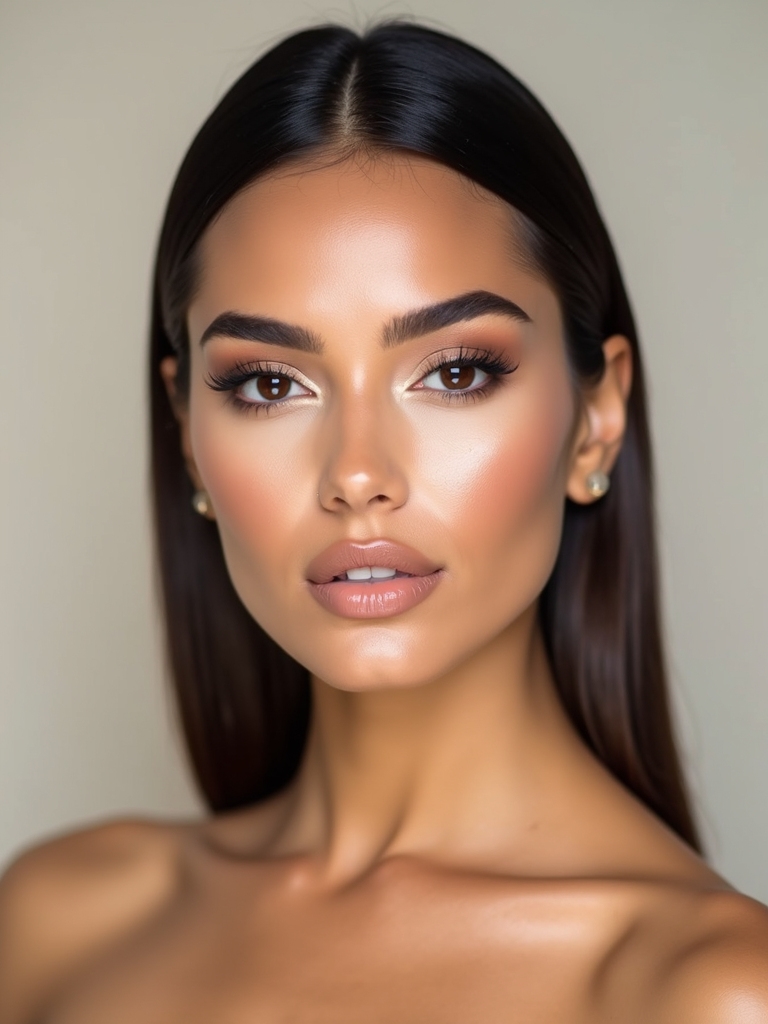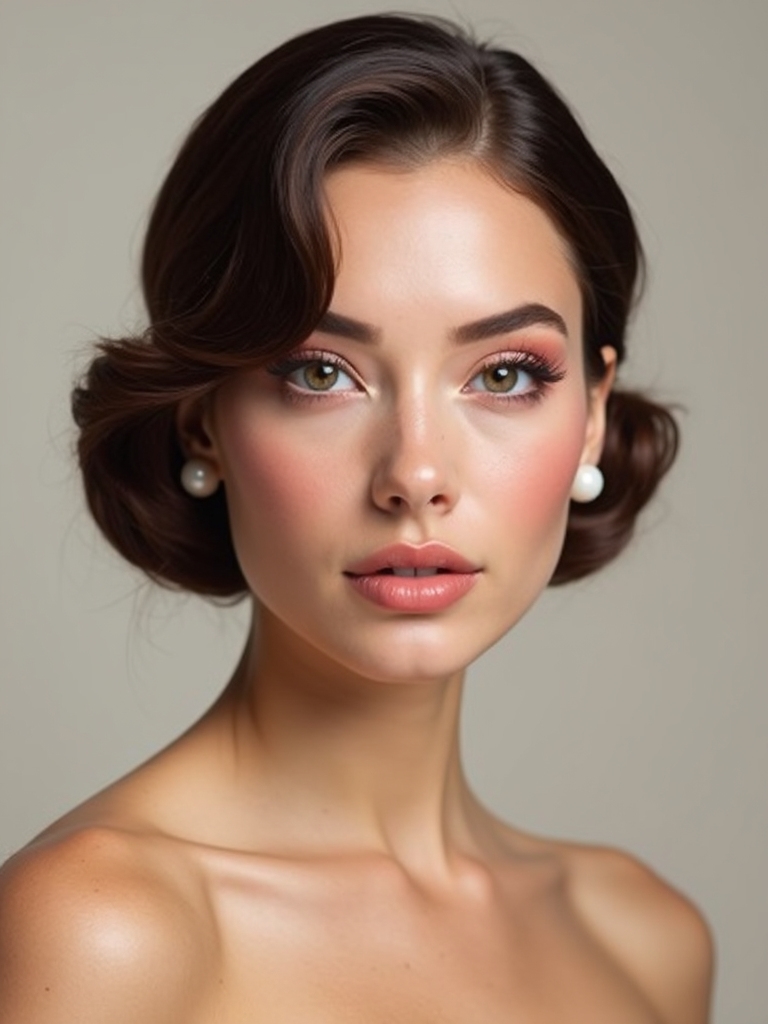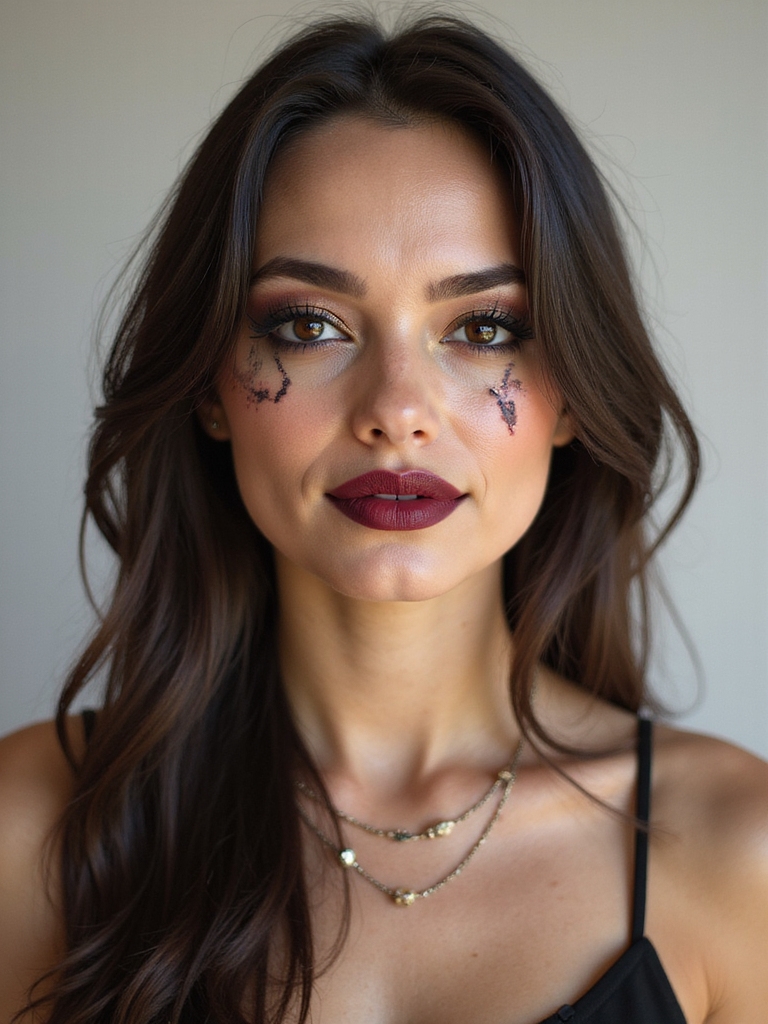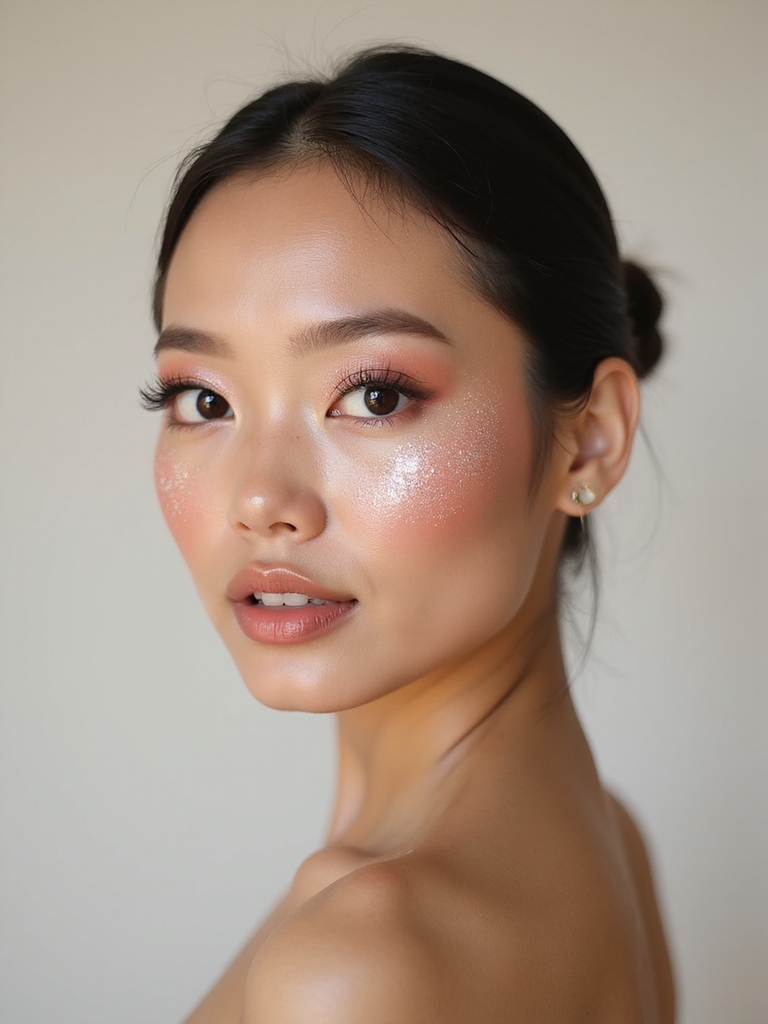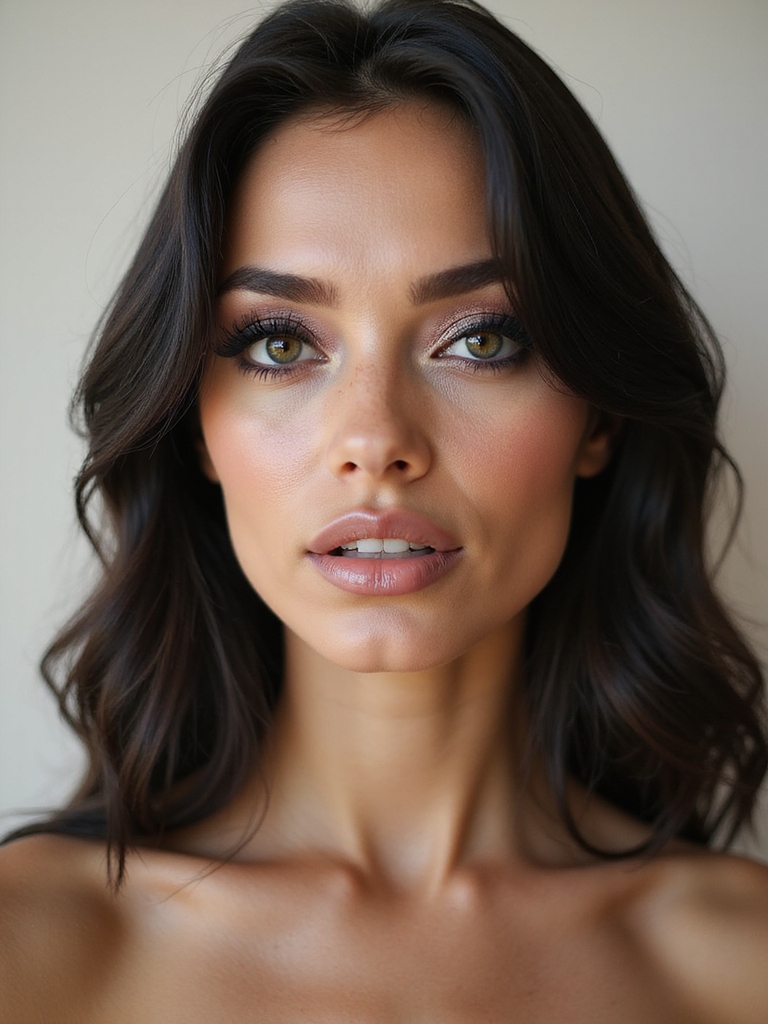
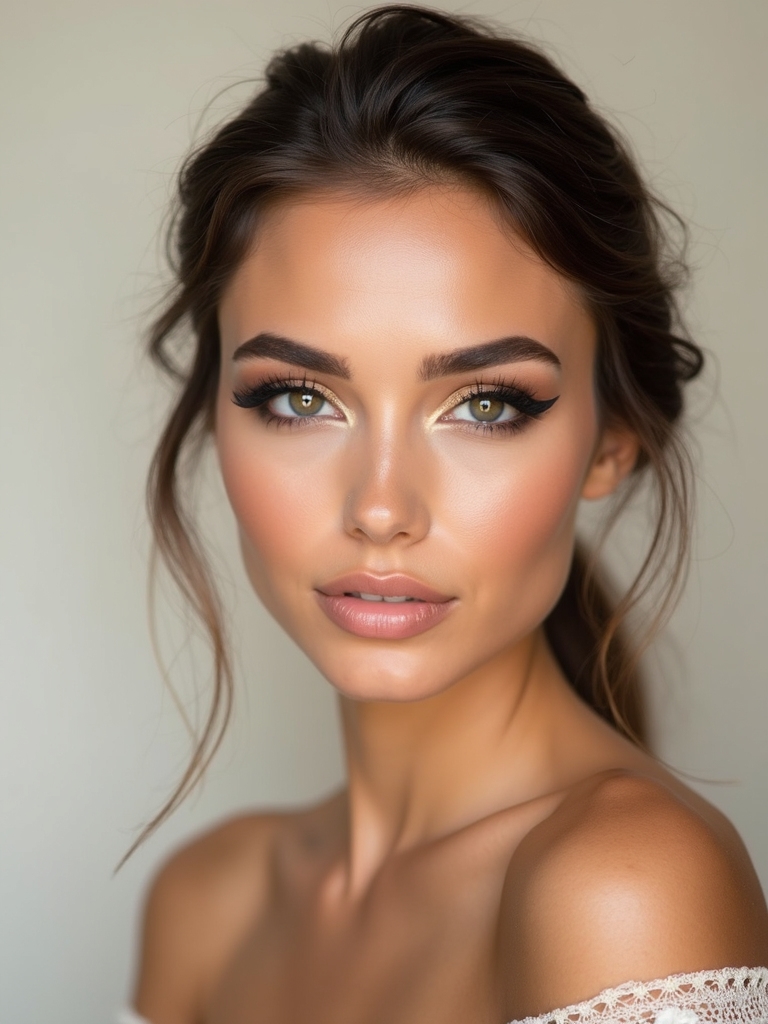
Most eye makeup struggles come down to application, not products. The same shadow that looks muddy with the wrong brush looks expensive when it is mapped, primed, and blended properly. This tutorial walks through the tricks I teach every beginner at the makeup chair, in the order you actually use them.
Follow this eye makeup tutorial start to finish for a full routine, or pull out a single trick to fix whatever is going wrong. Each step explains what it does and why, so your hands learn the logic, not just the motion.
The Tutorial in Brief
- Start by mapping your eye shape; placement follows from it.
- Prime and lay a transition shade before any color goes on.
- Blend with a clean, fluffy brush in small circles to kill hard edges.
- Work in order: base, crease, lid, liner, lashes, then set.
Map Your Eye Shape
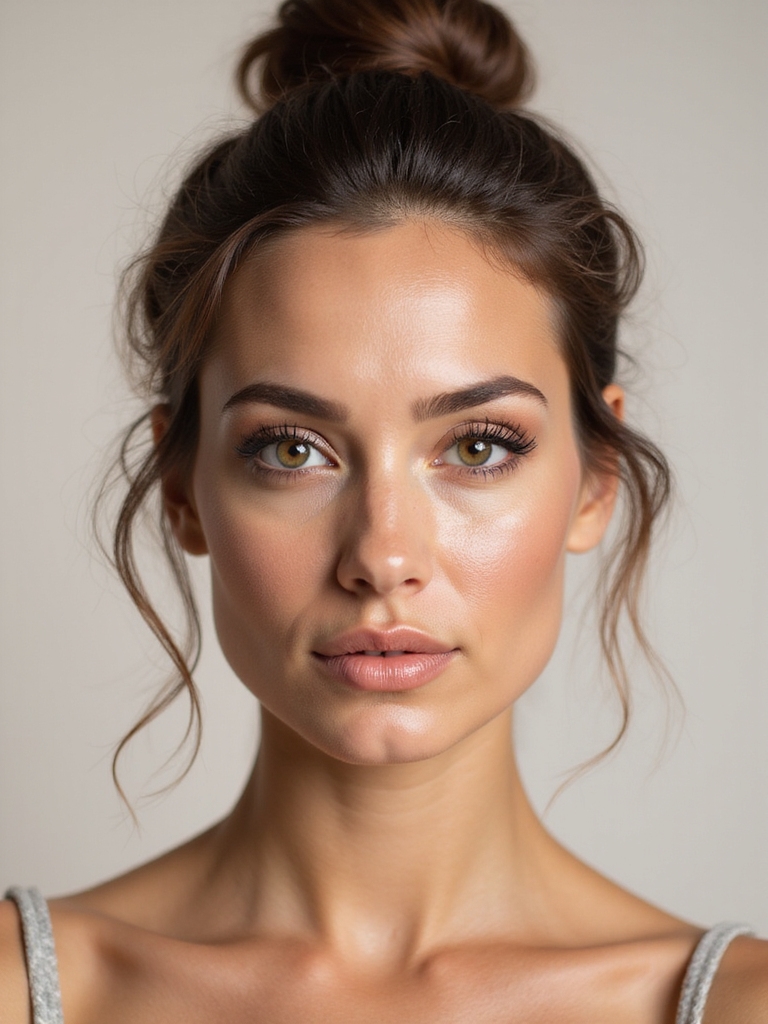
Before any product, look in the mirror with your eyes open and see what you are working with. Mapping your shape is the step beginners skip, and it is the one that decides where everything else goes. I tell every beginner to start here. The same look fails or flatters based on this alone.
- Note whether you have a visible crease, a hooded fold, or a monolid.
- Check if your eyes turn up or down at the outer corner.
- Decide where your color needs to sit so it shows with eyes open.
- On hooded eyes, plan to place everything slightly higher than the natural crease.

Prime Lids for Crease-Free Color

Eyeshadow that creases or fades by lunch almost always skipped primer. A thin layer of eye primer gives shadow something to grip, so color stays put and looks truer all day. This single step fixes more longevity problems than any setting spray.
- Tap a small amount of primer across the whole lid.
- Give it a minute to set before applying shadow.
- Use a brightening primer to cancel any lid darkness.
- On oily lids, a mattifying primer holds color longest.
Good to Know
Working in the right order, base then crease then lid then liner then lashes, saves you from constant cleanup. Most messy eye looks are not a skill problem; they are an order problem, with color placed before the base was blended.
Softly Blended Crease Base

A transition shade in the crease is the foundation every polished eye is built on. This soft, mid-tone layer creates a gradient so any color you add later blends into it instead of sitting in a harsh block. Skip it and color goes patchy.
- Choose a shade one to two steps deeper than your skin.
- Sweep it through the crease with a fluffy brush.
- Build it in thin layers, not one heavy pass.
- Blend the top edge up so there is no visible line.
Outer-V for Instant Lift
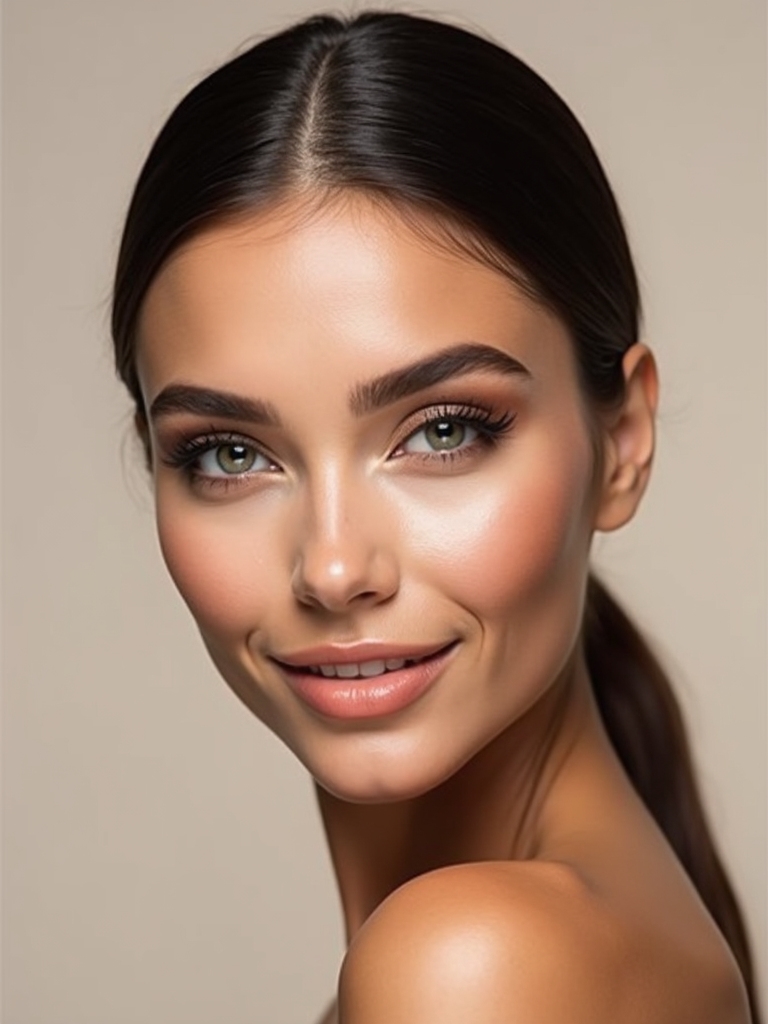
Placing a deeper shade in the outer corner in a sideways V shape sculpts and lifts the eye more than any other single move. It is the trick I teach when someone wants their eyes to look bigger and more lifted.
Aiming the V
Tip the brush into the outer corner, draw a small V that follows your lower and upper lash lines, then blend the inner edge up toward the crease. Keep the deepest color at the very outer corner.
The angle matters: aim the V up toward the brow tail, never down. On downturned eyes especially, this lift counteracts the natural droop.
The full routine in five steps.
1Prep
Prime the lid and map where color should sit.
2Crease
Lay a transition shade and blend the edges soft.
3Lid
Pack color or shimmer onto the center of the lid.
4Define
Add liner and tightline, then curl and coat lashes.
5Finish
Sharpen edges with concealer and set with a mist.
Feathered Blending With a Clean Brush

Blending is what separates amateur eyes from polished ones, and the secret is a clean, fluffy brush. The brush with no product on it is the one that does the actual blending, softening every edge into a gradient.
After you place your color, go over the edges with a clean blending brush in small windshield-wiper motions. Keep a second fluffy brush product-free just for this.
I see the same mistake again and again: too much product placed at once. Hard edges mean heavy pigment, so build slowly and feather as you go. Less is more.
Tape-Guided Winged Liner

If a clean wing feels impossible, a strip of tape gives you a perfect guide. It is the beginner trick that builds the muscle memory you need until you can freehand it, and there is no shame in using it.
- Place a short piece of tape from the outer corner toward the brow tail.
- Draw your liner along the tape edge for a sharp line.
- Peel the tape off slowly once the liner dries.
- Use translucent tape pressed on the back of your hand first so it does not pull skin.
| Brush | Use | Motion |
|---|---|---|
| Flat dense | Pack color on the lid | Press and pat |
| Small fluffy | Crease and detail | Small circles |
| Large fluffy | Diffuse and blend | Windshield wipers |
Tightline With Shadow

Tightlining the upper lash line with a dark shadow instead of pencil gives a softer, smudge-proof density that makes lashes look fuller. Pressed into the roots, it defines the eye without a visible line.
- Wet a small flat brush and pick up a dark shadow.
- Press it into the roots of the upper lashes from underneath.
- Use a waterproof shadow or a primer base so it does not transfer.
- Brown looks softer than black for daytime.
Shimmer on Natural Highlights
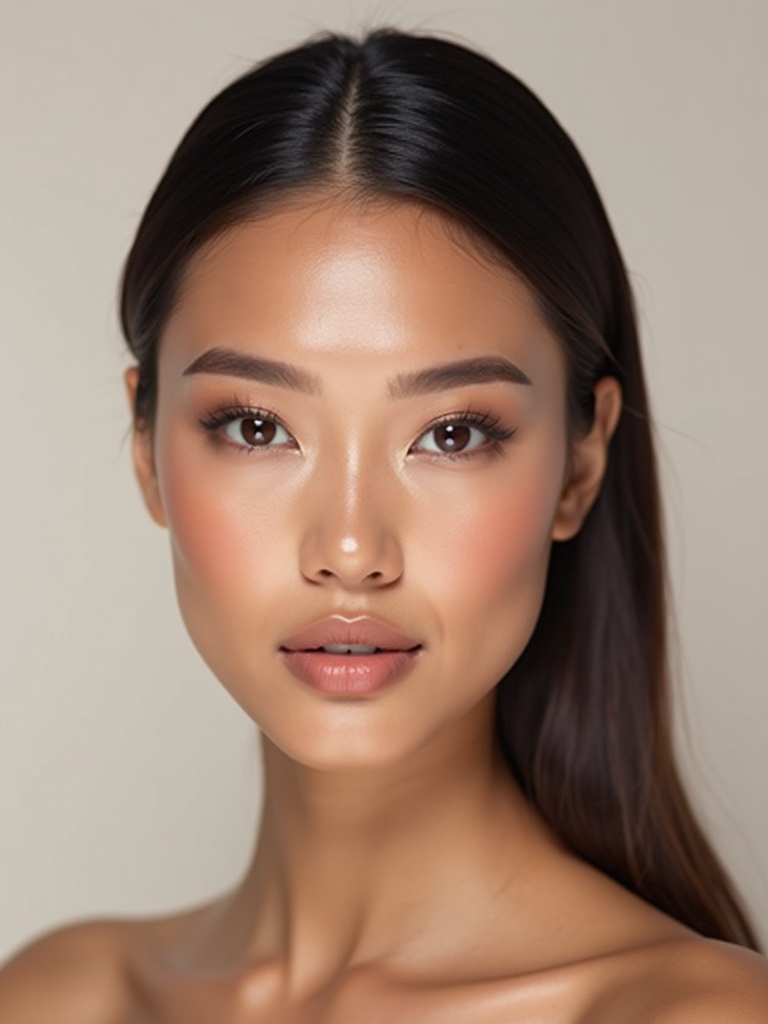
Knowing exactly where to place shimmer is what makes an eye look professionally done. The rule is simple: put light where it would naturally catch, on the center of the lid, the inner corner, and just under the brow.
Press shimmer onto these three points with a fingertip or flat brush so it stays dense. Pressing rather than swiping is the trick that keeps shimmer from scattering into fallout down your cheeks.
Pro tip
Keep one fluffy brush completely product-free and use it only for blending. Tapping off excess shadow before it touches your lid also prevents the fallout and patchiness that beginners fight most.
Balanced Top-and-Bottom Lashes
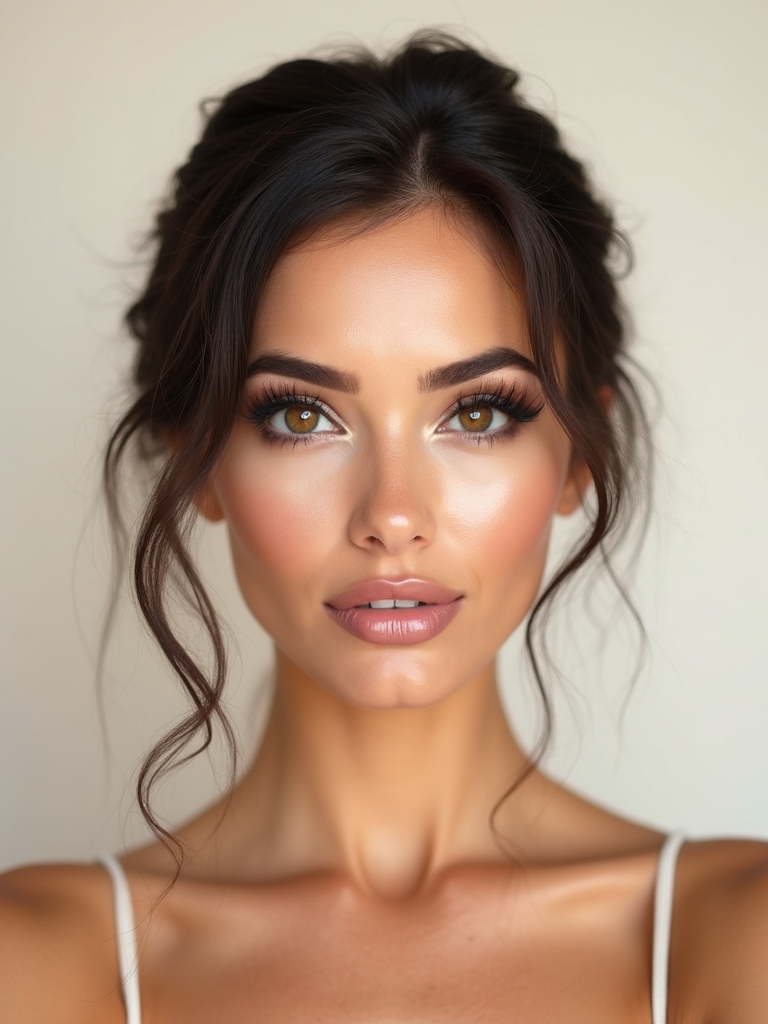
How you balance emphasis on the top and bottom lashes changes the whole shape of the eye. Heavier on top with a light touch below keeps the eye open and lifted, while too much on the bottom drags it down.
Apply two coats up top and one soft coat below, or skip lower mascara entirely and just smudge a little shadow there. Balancing the frame this way is a small choice that makes a big difference in how rested you look.
Tailored Brush Sizes

Using the wrong brush size is behind most blending frustration. I recommend matching the brush to the area and to your lid size, which instantly improves precision and makes blending faster and cleaner. The right brush size does half the work.
- Use a flat, dense brush to pack color onto the lid.
- Use a small fluffy brush for the crease and a big one to diffuse.
- Smaller lids need smaller brushes so color stays controlled.
- A decent five-brush eye set runs about $15 to $40 and lasts years.
Wiggle-and-Roll Mascara

How you apply mascara matters more than the formula. Wiggling the wand at the base of the lashes and then rolling up through the tips coats every lash and lifts from the root, which opens the eye.
Start at the roots, wiggle side to side, then sweep up and out. One careful coat applied this way, taking maybe a minute per eye, beats three rushed ones piled on in seconds, and it keeps the lashes separated and feathery instead of stuck together in heavy, spidery clumps that close the eye down.
Three-Step Lash Lift
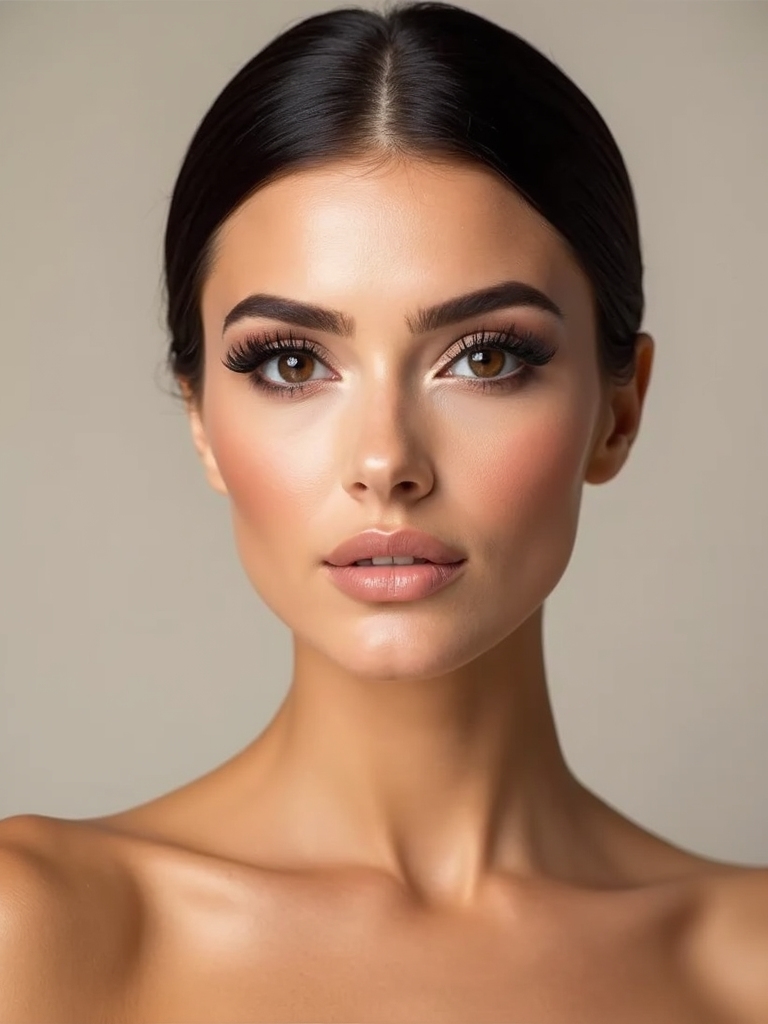
A lash curler held in one spot leaves a harsh bend, but curling in three sections gives a soft, natural lift that holds all day. This sectioned method is the trick that makes a five-dollar curler work like a salon one. Three gentle squeezes, not one hard one.
- Clamp gently at the very base of the lashes first.
- Move halfway up and clamp again.
- Finish with a light clamp at the tips for a rounded curl.
- Curl before mascara, never after, to avoid breaking lashes.
Balance Asymmetry With Depth

Almost everyone has slightly uneven eyes, and makeup can quietly balance them. Adding a little more depth or lift to the smaller or droopier eye brings the pair closer to matching, which clients always notice once it is pointed out.
Work on the trickier eye first, while your hand is steadiest.
- Add a touch more crease depth to the smaller eye.
- Lift the liner slightly higher on a droopier eye.
- Step back often to check the two eyes together, not separately.
Concealer for Crisp Edges

A little concealer is the final polish that makes any eye look intentional. Carving along the lower lash line and under the wing sharpens every edge and lifts the whole eye in one stroke. It is the pro secret.
Use a small flat brush and a concealer matched to your skin, drawing a clean line under the eye and out toward the wing. Tap it into the skin so it blends at the bottom while staying crisp at the top.
This is the step that takes an eye look from homemade to finished. It also brightens the under-eye, so it does double duty in your tutorial routine.
Hydrating Mist to Finish

A hydrating setting mist melts powder into the skin so a freshly done eye looks like skin, not layers of product. It also revives any spots that went chalky during application, which happens to everyone.
Close your eyes and mist from arm’s length once everything is done.
- Mist in an X and a T and let it dry naturally.
- Choose a hydrating mist for dry skin, a matte one for oily.
- A quick mist mid-day also refreshes a faded eye.
- For more by eye type, see our hooded eye makeup and natural eye makeup.
Practice the Steps, Not the Look
The fastest way to improve your eye makeup is to drill the techniques rather than chase a specific look. The full routine takes about ten minutes start to finish, and mapping, priming, and blending well will make every eye look you ever attempt come out cleaner and last longer.
Start with priming and crease blending, since those carry the whole eye, then layer in liner and lash tricks as your hands get steadier. Once the order is second nature, even a quick everyday eye will look like someone did it for you. For looks to practice on, try our eye makeup ideas and core eye makeup techniques.
Browse More Looks