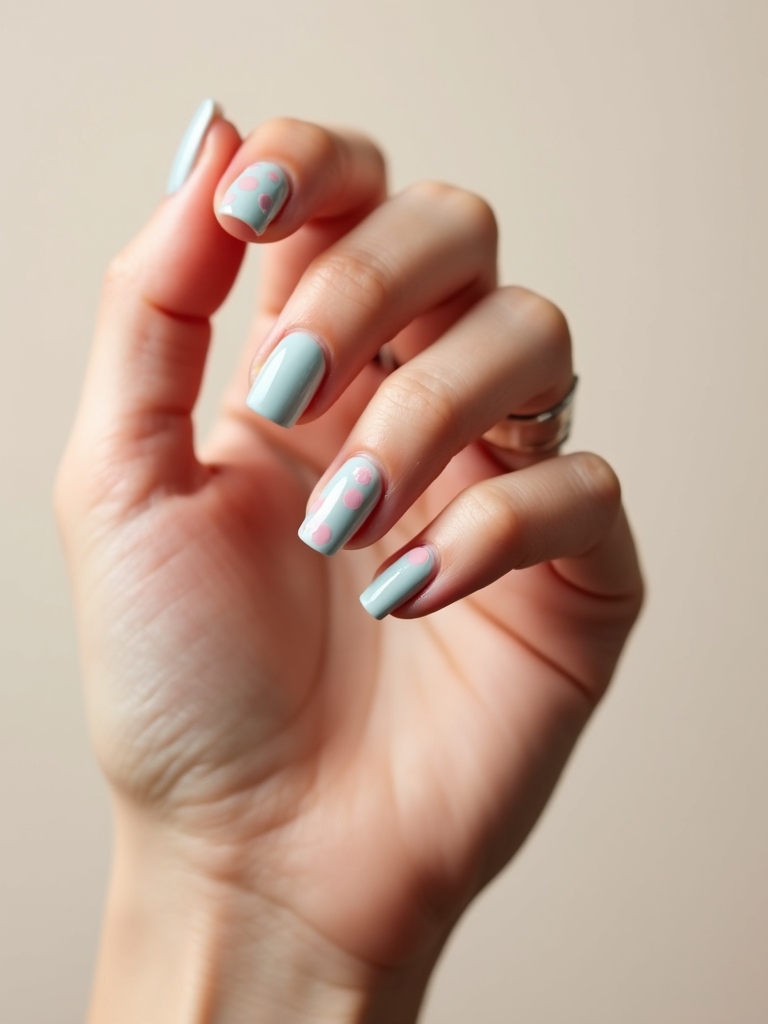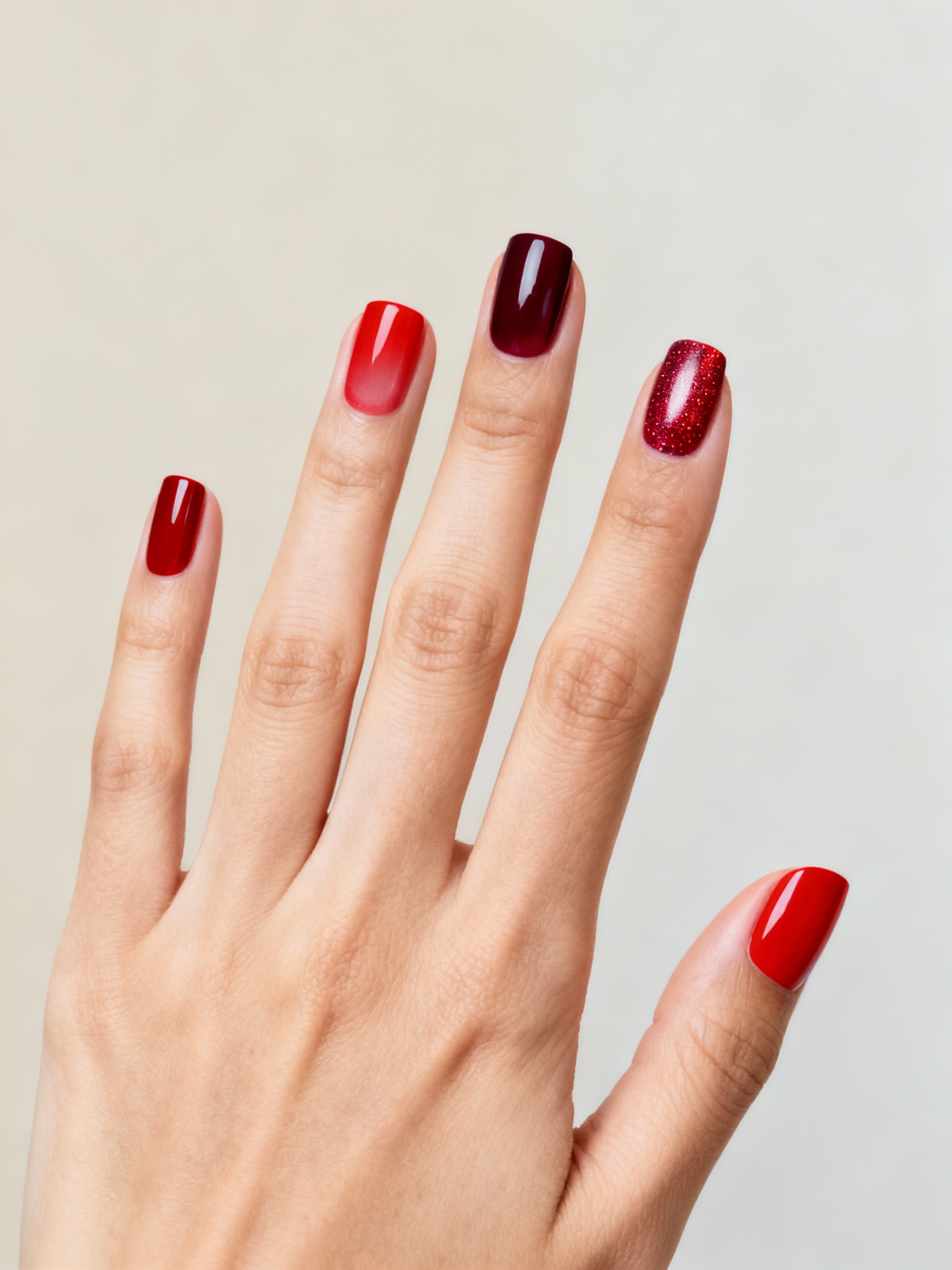

People assume spring nails have to mean a literal flower painted on every finger. They do not. The prettiest spring sets I see are mostly about a shift in palette, the deep berries and chromes of winter giving way to soft, washed-out pastels and a lot of sheer, milky finishes that look like the season feels.
The twelve looks below lean into that soft bloom energy without tipping into craft-fair territory. For each one you get how it is done, how it really wears, and which shades flatter your hands, since a chalky pastel and a luminous one are two very different things on the nail.
Spring Shades at a Glance
| Mood | Try this | Best for |
|---|---|---|
| Soft and barely-there | Glazed lilac, ballet pink, sheer nude | Work, weddings, everyday wear |
| Fresh and playful | Buttercup yellow, sage french, flower dots | Weekends, brunch, a mood lift |
| Pretty with detail | Watercolor petals, marble veining, confetti | When you want art without the fuss |
Glazed Lilac Pastels

Lilac is the quiet star of spring, soft enough to read as a neutral but pretty enough to feel like a choice. Add a glazed, pearly top over it and the whole thing shifts in the light like the inside of a shell, which is what makes this set look far more expensive than a flat purple polish would. It is the first set I book when the weather turns.
- Paint two thin coats of a soft lilac and let each set fully so the color stays even.
- Buff a fine pearl powder over the top, or layer an iridescent top coat, for that glazed shimmer.
- Lilac flatters most hands and reads soft enough for the office, which makes it my pick for an everyday spring set. For more soft looks, see cute nails.

Micro Flower Dots

If you want flowers without the fuss, micro flower dots are the answer, and they are the easiest nail art a beginner can attempt at home. Each bloom is just five little dots in a ring with a contrasting center, and the whole accent nail takes only a few minutes.
I scatter them sparingly over a soft base for my own spring sets. Because they are so small and simple, a slightly uneven dot only adds to the hand-painted charm rather than ruining the look. Here is how to keep them sweet:
- Start with a milky or nude base so the tiny flowers stand out softly.
- Use a dotting tool or the end of a bobby pin to place five petals in a circle, then a center dot.
- Scatter just two or three blooms across the hand, not one on every nail, so it stays delicate.
🅰️Sheer and Milky
Lets your natural nail show through for a soft, your-nails-but-better look. Grows out with no harsh line, so it is the lowest-maintenance choice for spring.
🅱️Opaque Pastel
Full, even color that makes more of a statement and shows a design clearly. Reads bolder but shows a regrowth gap at the cuticle sooner, so it needs refreshing more often.
Watercolor Petal Tips

Watercolor nails use a blooming-gel technique that lets color spread and blur on its own, so the petals look soft and painterly rather than sharp. It is one of those designs that looks far more skilled than it is, since the blurring does the artistry for you. The effect is dreamy and romantic, ideal for a spring wedding or a soft, feminine everyday set. Build it like this:
- Over a sheer base, drop a little colored gel or thinned polish near the tips.
- Let it spread on the wet layer, nudging it into loose petal shapes with a clean brush.
- Keep the colors muted and tonal so it reads watercolor, then seal with a glossy top coat.
Sheer Peach Dewy Shimmer

A sheer peach with a fine shimmer is springtime in a bottle, and the shade I tell clients to try first when they want color without commitment. The sheerness lets your natural nail show through, so it looks like your hands just have a healthy, sun-warmed glow rather than a coat of paint.
Building Sheer Without Streaks
Build it in thin layers, stopping while it is still see-through, and choose a peach with a subtle gold shimmer rather than chunky glitter for that dewy finish.
Peach is among the most flattering spring shades there is. On deeper skin it leans more coral and looks beautiful; if a pale peach reads too faint on you, a warm apricot or soft terracotta gives the same fresh feeling with more presence.
Pro Tip
Pale and pastel polishes are notorious for streaking. The fix is a thin white or nude base coat first, then two or three thin coats of color rather than one thick one. Thin layers dry more evenly and stop that patchy, see-through look pastels are prone to.
Sage Micro French Tips

The micro French swaps the classic white tip for a barely-there line, and in soft sage green it becomes the freshest, most modern take on the look for spring. The thin line keeps it understated and grown-up, while the unexpected green keeps it from feeling like a basic French. It is office-appropriate and quietly current at the same time, which is a rare and useful combination.
- Use a steady detail brush or a striping brush to draw a fine sage line along each tip.
- Keep the base a sheer nude or milky white so the sage stays the only color. The french tip nails guide covers the classic version.
- Sage is the quiet, unexpected one here, and it pairs especially well with denim and neutrals for a low-key workday.
Ballet-Pink Gloss

Ballet pink is the most timeless spring nail there is, a sheer, soft pink with a high-gloss finish that looks impossibly clean. It is the set I recommend to brides constantly, because it suits everyone, goes with everything, and never looks dated in photos you will keep for decades.
The trick is in the application and the finish: keep the color sheer and even, and seal it with the glossiest top coat you own so it looks like glass. A salon gel version runs about $40 to $70 and lasts two to three weeks; at home it costs the price of a good pink and a glossy top coat. It also grows out beautifully, with no harsh line at the cuticle, which makes it one of the lowest-maintenance sets here, and the set I save for weddings above all.
Heads-Up
Spring is a good time to give your nails a breather after winter gels. If your natural nails feel thin or peeling, take a couple of weeks between sets, keep them trimmed short, and use a daily cuticle oil. Never peel gel or dip off; soak it away so you do not strip the nail underneath.
Lavender Milky Florals

I love a milky lavender base with soft white floral details, a set that feels like spring captured on the nail. The milky finish gives it a soft-focus, dreamy quality that a clear base cannot, and the white flowers sit gently on top rather than shouting.
Balancing Base and Detail
Lay a sheer milky lavender as your base across all nails, then add small white florals to just one or two accent nails.
Keep the flowers loose and simple, a few petals rather than detailed blooms, so the whole thing stays soft. The milky finish makes this one feel special enough for a spring shower or a garden party.
Buttercup Yellow

Yellow is the spring color people are most nervous about, and a soft buttercup is the way to wear it without fear. Skip the neon highlighter yellow. Go for a creamy, buttery hue that feels like sunshine, not a traffic cone. It is cheerful and a little unexpected. An instant mood lift on a grey morning.
Yellow can be tricky to apply because it often goes on streaky and patchy, so use a white or nude base coat first to make the color pop and apply two or three thin, even layers rather than one thick one. Buttery yellows are truly some of the best shades for deep and tan skin, where they glow against the warmth of the skin; on very fair, cool-toned hands, a slightly warmer, creamier yellow is more flattering than a stark lemon.
Cloudy Blue Ombré

A cloudy blue ombré fades a soft sky blue into a milky white, like a spring sky with the clouds drifting through it. It is calming and a little ethereal. The ombré keeps a pastel blue from looking flat or one-note.
Blend the two shades with a small makeup sponge while the polish is still wet, bouncing it gently along the seam until the line melts away into a soft gradient.
Seal it with a glossy top coat so it looks dewy rather than chalky. A gel version holds the gradient crisp for two to three weeks, where regular polish softens at the tips within days.
Sheer Nude With Stems

This is the most minimal floral here: a clean sheer nude base with a single delicate green stem or sprig drawn on one or two nails. It nods to spring without a single flower in sight, which makes it the most grown-up, understated option on the list. The negative space around the tiny stem is what makes it look so modern and considered.
Choose a nude that matches your own skin so the base nearly disappears, then use a fine detail brush and a soft green to draw a simple stem with a couple of leaves.
Matching the nude to your skin is the whole game here. On deep skin, a warm caramel or deep beige nude works far better than the pale beiges sold as universal, and keeps that elegant your-nails-but-better effect. The almond nails shape suits this minimal look especially well.
Opalescent Confetti

Opalescent confetti scatters tiny iridescent flecks across a sheer base so they catch the light and shift color as your hands move, like a soft, grown-up version of glitter. It is celebratory without being heavy, which makes it lovely for a spring birthday or just a day you want a little sparkle.
- Press iridescent flakes onto a tacky top coat over a milky or sheer base, scattering them unevenly.
- Keep the flakes sparse and concentrate them near the cuticle or tip rather than covering the whole nail.
- Seal with a thick glossy top coat so no flake edges catch or lift. The shifting flakes do most of the work, so keep the base simple.
Blush Marble Veining

Marble nails trace soft, smoky veins across a sheer base like polished stone, and in a soft blush pink the effect is gentle and pretty rather than dramatic. It looks intricate and expensive, but the wispy veining is forgiving since it is meant to look organic and a little irregular, so no two nails need to match.
A few pointers for convincing veins:
- Over a milky blush base, drag a thin brush through a drop of white or soft grey in loose, branching lines.
- Soften the veins with a clean brush so they blur slightly into the base.
- Keep them sparse and seal with a glossy top coat for that polished, marble-slab shine. For more polished everyday sets, the classy nails guide has plenty.
Spring-Nail Questions, Answered
?What nail colors are best for spring?
Soft pastels define the season: lilac, ballet pink, sage green, buttercup yellow, sky blue, and sheer peach. Milky and sheer finishes feel especially fresh and current. The common thread is a soft, washed-out quality, which is what makes a color feel like spring rather than summer’s brights or winter’s depths.
?How do I stop pastel polish from streaking?
Start with a thin white or nude base coat, which gives pale colors something opaque to grip. Then apply two or three thin coats rather than one thick one, letting each dry. Thin layers dry evenly and build smooth color, where one heavy coat goes on patchy and stays see-through in spots.
?Which spring pastels suit deep skin tones?
All of them, with a small tweak: choose slightly more saturated versions so they show up clearly. A deeper lilac, a richer rose-pink, a warm apricot over a faint peach, or a buttery yellow all look beautiful on deep skin, where the very palest, chalkiest pastels can fade into the background.
Let the Season Set the Palette
The thing I love about spring nails is how little they ask of you. You do not need intricate art or a steady painting hand; mostly you just need to swap winter’s deep, dramatic shades for something softer and let the palette do the work. A sheer ballet pink or a glazed lilac says spring all on its own, and most of these run about $40 to $70 as a gel set or far less at home.
If you are drawn to detail, the watercolor petals and marble veining are there for you, and both are far more forgiving than they look. Pick the shade that makes you smile when you glance down, choose a version that actually shows on your skin, and let your nails feel like the season for a few weeks.
Don’t Miss These