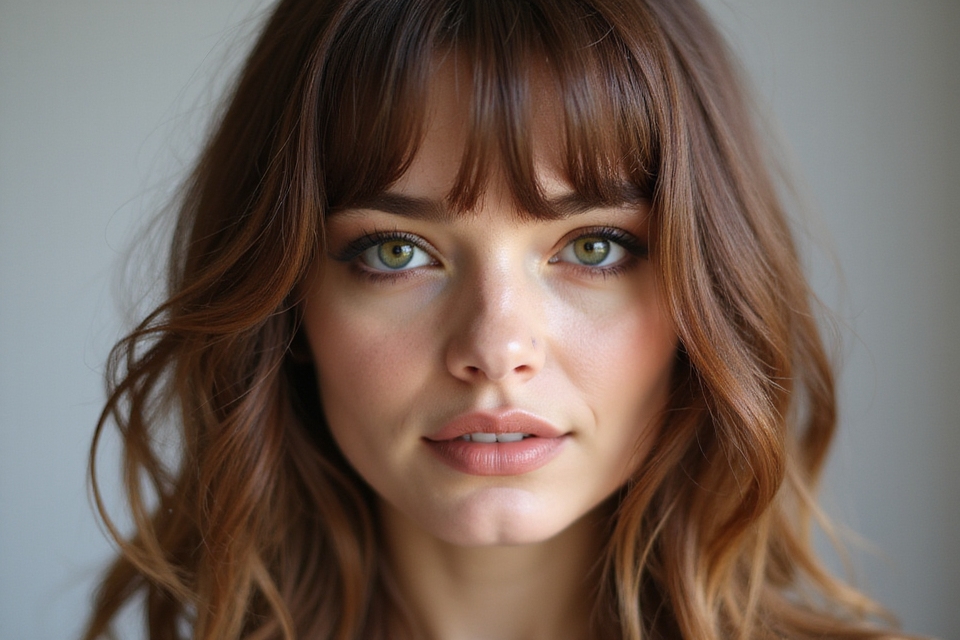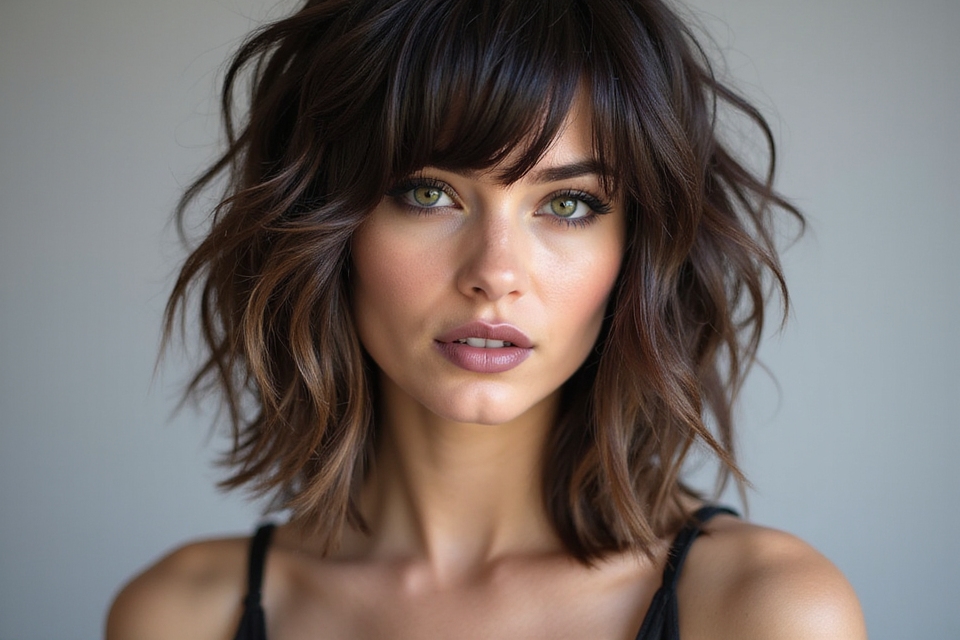

Thinking about curtain bangs but scared you will hate them by next week? You are in good company, and the honest answer is that this is the lowest-risk fringe you can try. Parted in the middle and sweeping softly to each side, curtain bangs frame the face without the heavy commitment of a blunt fringe, and they grow out gracefully.
That forgiving nature is exactly why they have stayed popular season after season. They suit nearly every face shape and hair type, they soften or sharpen your features depending on how they are cut, and they style in minutes once you know the moves. This guide covers the cut, the styling, the upkeep, and the honest trade-offs, so you can decide with eyes wide open.
Curtain Bangs, Quick Answers
What are curtain bangs? A center-parted fringe cut to fall and sweep away from the face on each side, usually shortest at the cheekbones and longer toward the jaw, like curtains framing a window.
Do they suit everyone? Close to it. Because the length and parting can be customized, curtain bangs flatter just about every face shape and work on straight, wavy, and curly hair alike.
Are they high maintenance? Moderately. Expect a quick reshape every three to four weeks and a couple of minutes of styling most mornings to set the sweep.
The Timeless Charm of Curtain Bangs
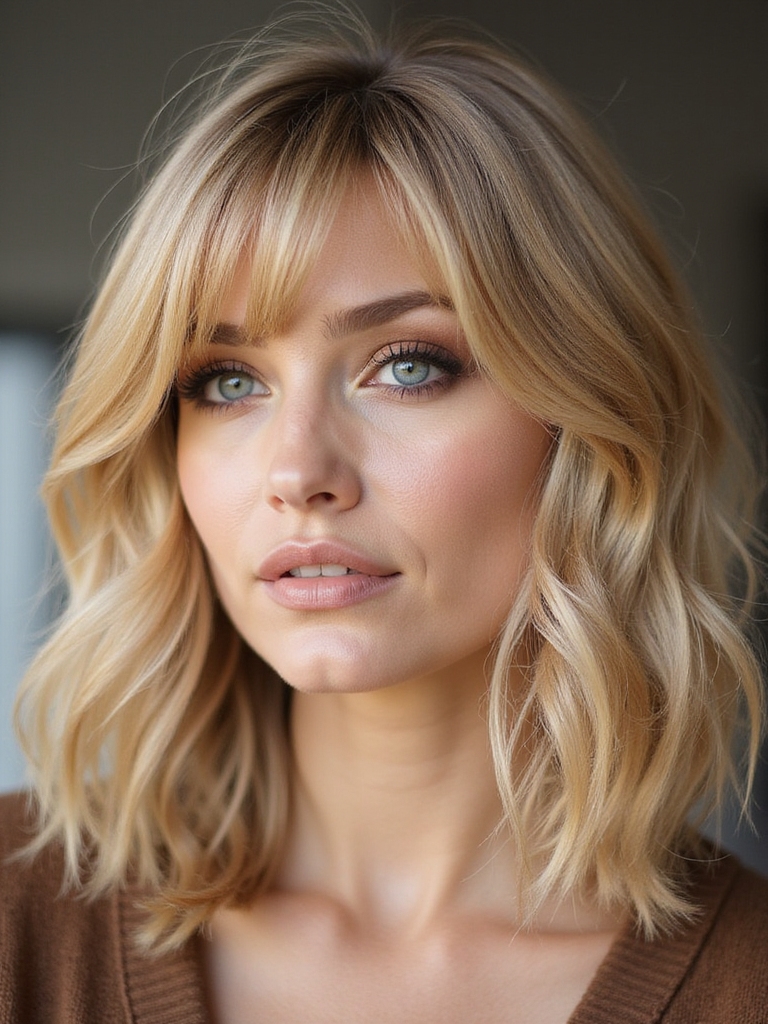
Curtain bangs have a staying power most hair trends would envy. They first defined the 1970s, swept back through the years on countless style icons, and they keep returning because they solve a real problem: how to frame the face softly without committing to a heavy, high-maintenance fringe. That practicality is their charm.
What makes them feel current rather than retro is the soft, relaxed finish modern versions wear. Today’s curtain bangs are face-framing and relaxed, which is exactly why they slot so easily into everyday life.
Nostalgic Bangs, Modern Twist
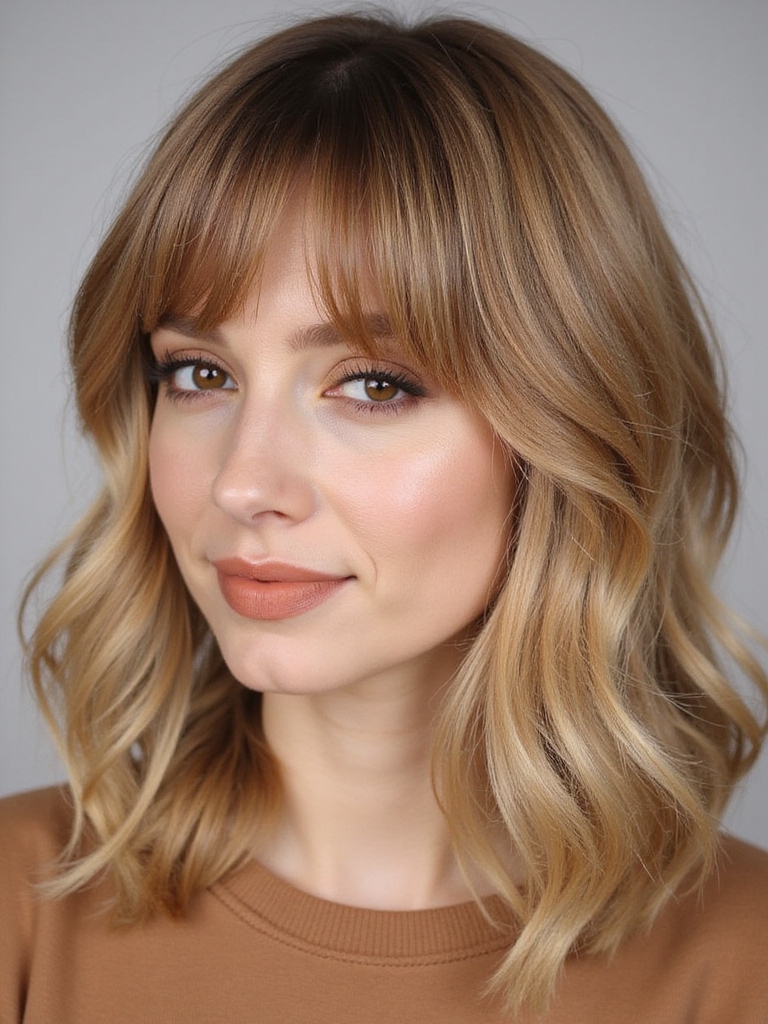
The roots of this look are pure nostalgia, born in an era of feathered, face-framing fringe and big confidence. The shape carries a little of that history wherever it goes, which is part of the appeal for anyone who loves a vintage nod in their hair.
Old Shape, New Softness
The modern update is all about softness. Where the original versions leaned heavily on volume and product, the current take keeps things piecey, light, and natural, blending softly into the rest of the hair.
That blend of old and new is why curtain bangs feel both familiar and fresh. You get the romance of a classic shape with none of the dated stiffness, which keeps the look firmly in the present.
Two fears about curtain bangs worth letting go of.
❌ Myth: Curtain bangs are high maintenance.
✅ Reality: They are moderate. A few minutes of styling and a trim every few weeks is the real cost, far less than a blunt fringe demands.
❌ Myth: They only suit oval faces.
✅ Reality: Not true. Because the length and sweep are customized, curtain bangs flatter round, square, heart, and long faces too.
Why Curtain Bangs Flatter
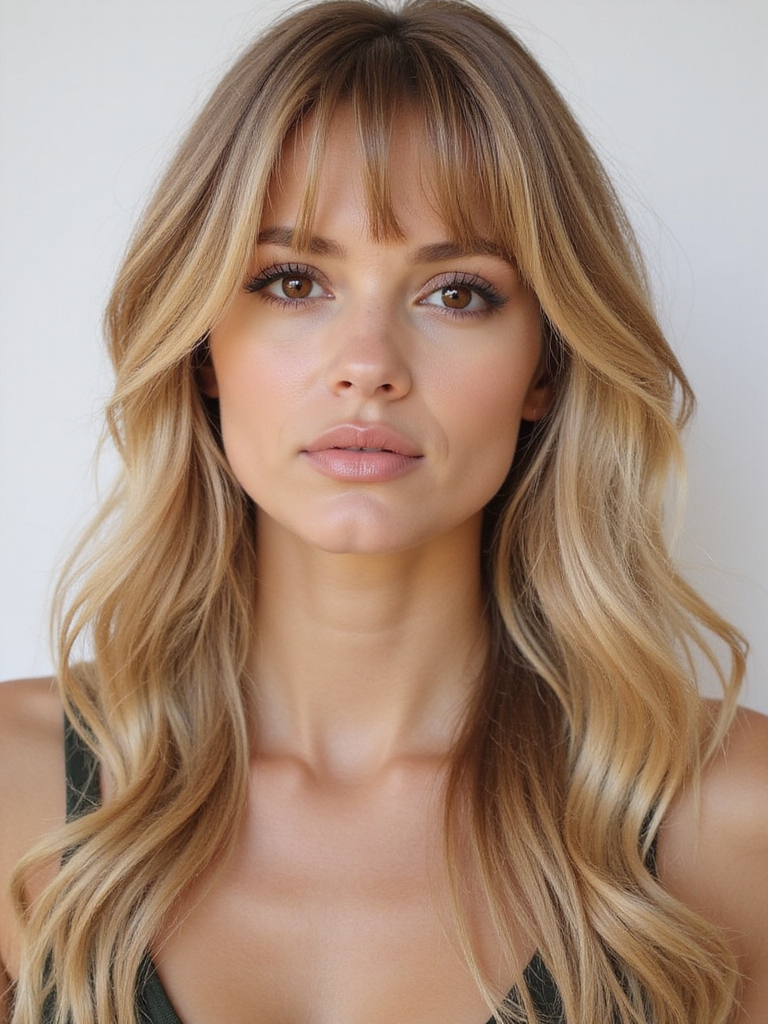
The reason nearly everyone looks good in curtain bangs comes down to geometry. The soft, downward sweep draws attention to the eyes and cheekbones while gently breaking up the face, which flatters a remarkably wide range of features. It is the rare fringe that adapts to you.
- They highlight the eyes and cheekbones, the features most people want to play up.
- The center part and side sweep add softness without hiding the face.
- Length and density can be adjusted to flatter your specific features.
The Versatile Curtain Bang
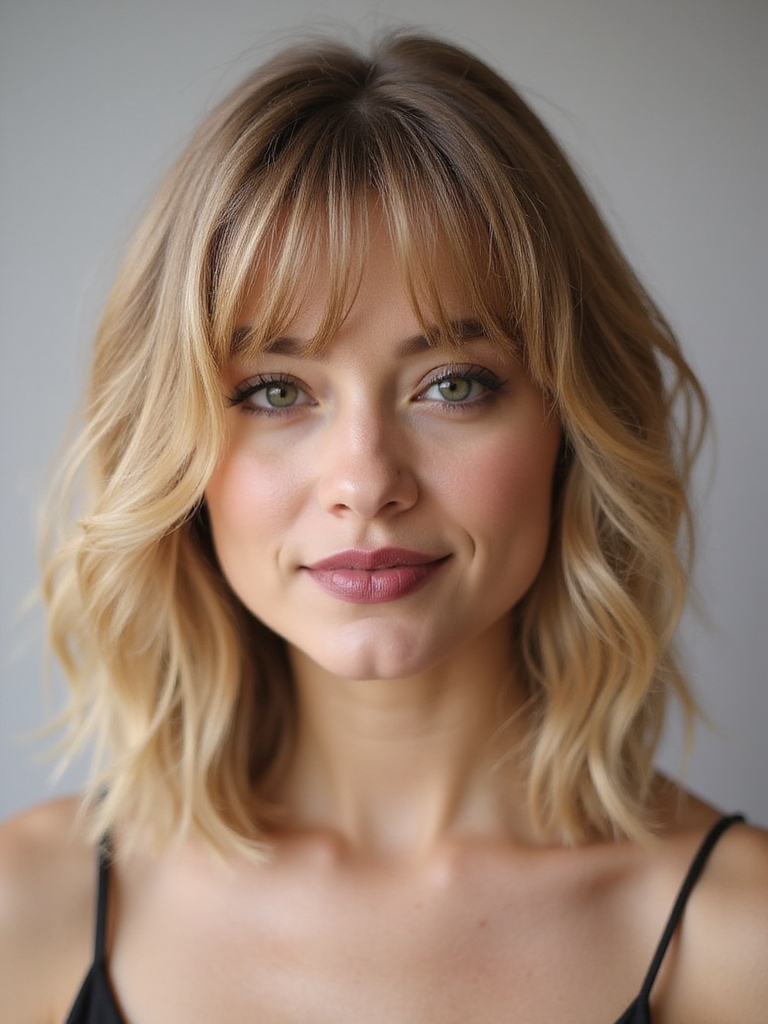
One cut, many looks: that versatility is what keeps curtain bangs from ever feeling boring. The same fringe can read polished and swept for the office, then tousled and loose for the weekend, with nothing more than a change in how you dry and style it. You are never stuck with a single vibe.
From Polished to Tousled
You can also pin them back entirely on the days you want your face open, which means a bad-bang morning is never a crisis. That escape hatch is a big part of why they feel so low-pressure.
Pairing them with the rest of your hair multiplies the options further, from sleek and straight to wavy and textured. The bangs flex to match whatever you are doing with your length.
Wondering if they are right for you? A quick gut-check.
1Do you want change but fear commitment?
Curtain bangs are ideal; they grow out gracefully and pin back any day you want your face open.
2Can you spare a few minutes most mornings?
If yes, you will love them. If you truly want zero styling, a longer face-framing layer may suit you better.
Bangs Tailored to Face Shape
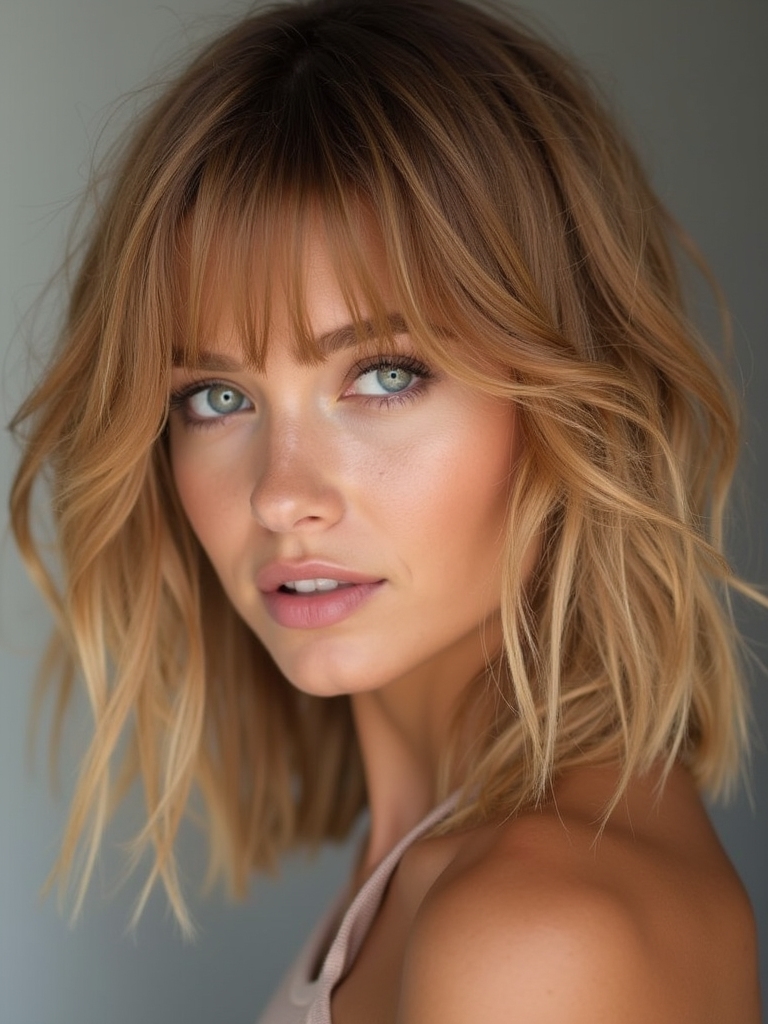
The real magic of curtain bangs is how customizable they are, and a skilled stylist tailors the cut to your face instead of a one-size fringe. The length, the angle of the sweep, and where the shortest point falls all get adjusted to balance your features. This is the conversation worth having before any scissors come out.
As a rule, the shortest part of the fringe is placed to draw the eye toward your best feature, while the longer pieces soften whatever you want to downplay. A higher start adds length to the face, a lower one adds width.
Bring a photo, but hold it loosely. What matters more is letting your stylist adapt the idea to your actual face, since the same bangs sit differently on every person. In my experience the clients happiest with their fringe are the ones who let the stylist adapt the idea, not the ones clutching a single screenshot. That tailoring is what separates a great fringe from a regretted one.
Curtain Bangs for Everyone
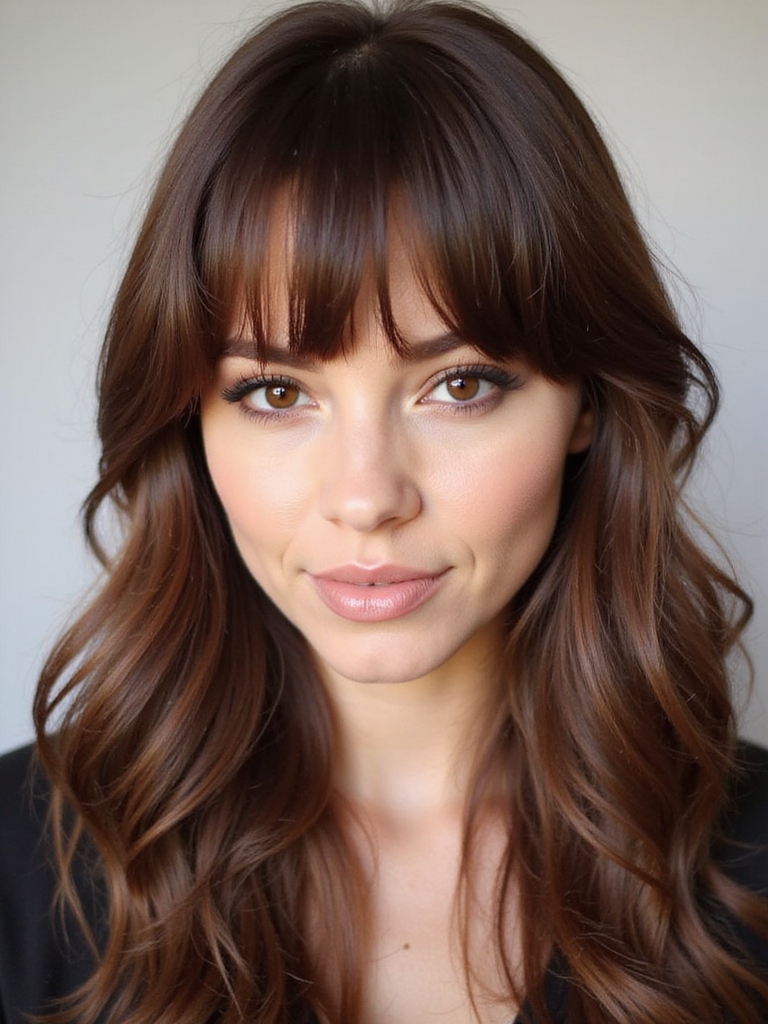
It is not just face shapes; curtain bangs welcome nearly every hair type too. Straight, wavy, and curly hair can all carry the look, with the cut adjusted to suit how your hair falls and moves. The finish changes with your texture, but the flattering frame stays.
The main thing to plan for is shrinkage and movement. Wavier and curlier hair springs up, so the bangs are cut longer to land in the right place once dry, which a curl-aware stylist accounts for automatically.
- Straight hair: smooth, sleek curtain bangs with a clean sweep.
- Wavy hair: soft, piecey bangs that blend into natural texture.
- Curly hair: longer-cut, springy curtain bangs; the curly hairstyles guide has more on styling them.
👍The Upside
- +Flatter nearly every face shape and hair type.
- +Grow out softly with no awkward stage.
- +Easy to dress up, pin back, or restyle.
👎The Trade-Offs
- –Need a regular reshape to hold their shape.
- –Get oily and flat faster than the rest of your hair.
- –Require a couple of minutes of styling most mornings.
Elegant Curtain Bangs
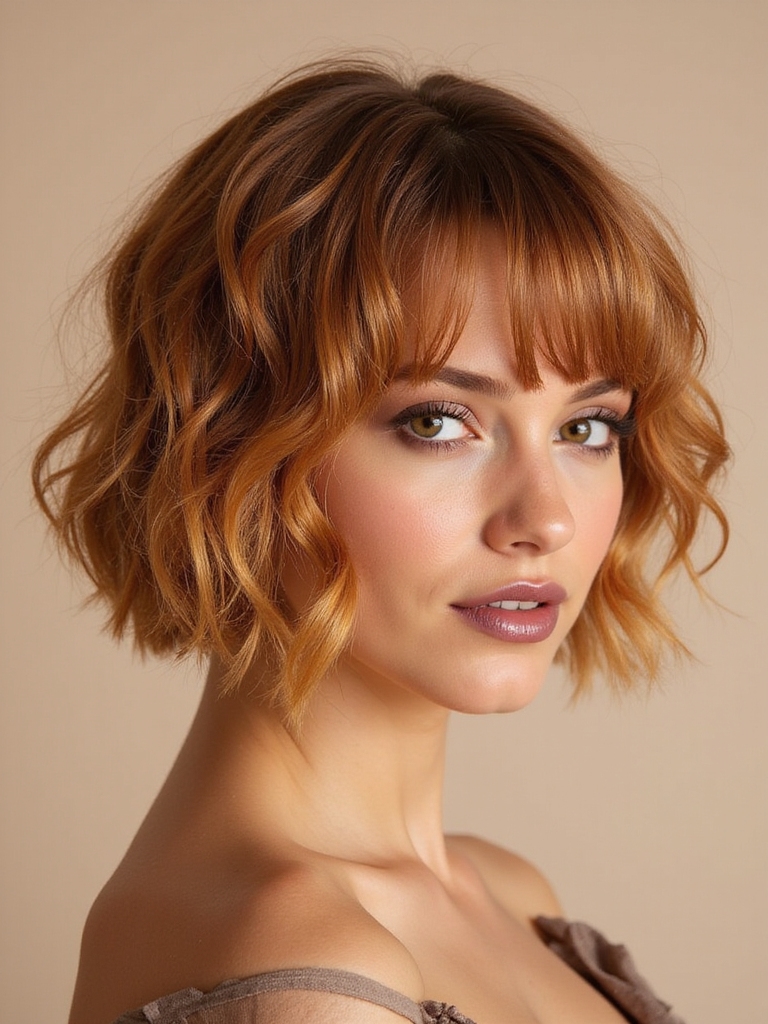
When you want curtain bangs to look elegant rather than casual, the finish is everything. A smooth, glossy sweep with clean lines turns the same cut into something refined enough for an event or a polished workplace. It is the dressed-up end of the curtain bang spectrum, and it takes only a few extra minutes.
- Blow-dry with a round brush for a smooth, sweeping shape.
- Add a touch of serum or oil for a glossy, refined finish.
- Keep the sweep clean and symmetrical for a more formal look.
Bounce and Energy
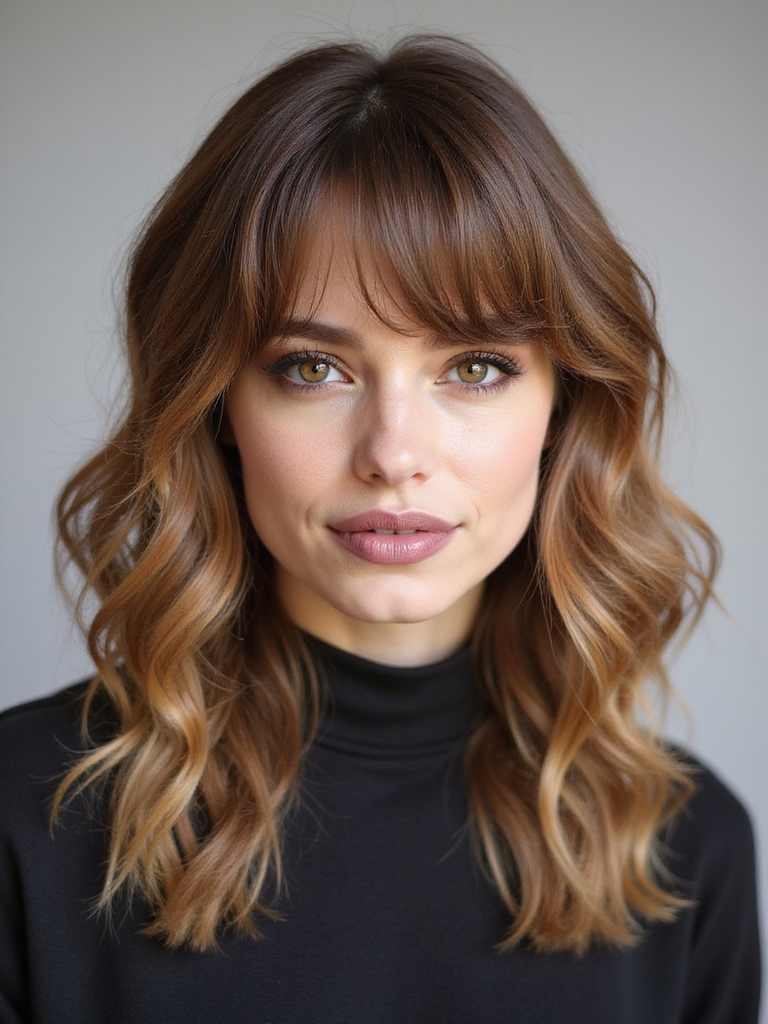
Part of what makes curtain bangs so appealing is the movement they bring. Cut and styled well, they bounce and shift as you move, adding a lively energy that frames the face dynamically rather than sitting flat. That bit of motion is what keeps the look feeling young and fresh.
The bounce comes from a combination of the cut and a little lift at the root. A round-brush blowout or a few seconds with a curling iron flicking the ends back builds that airy, moving quality. The goal is soft and weightless, so go easy on heavy products that would drag the bounce down.
A couple of terms your stylist might use.
📖Point-cutting
Snipping into the ends of the hair at an angle instead of straight across, which softens the edges and adds piecey texture.
📖Money-piece
A brighter, face-framing highlight placed on the front sections to make the curtain shape and the face stand out.
Essential Tools for Curtain Bangs
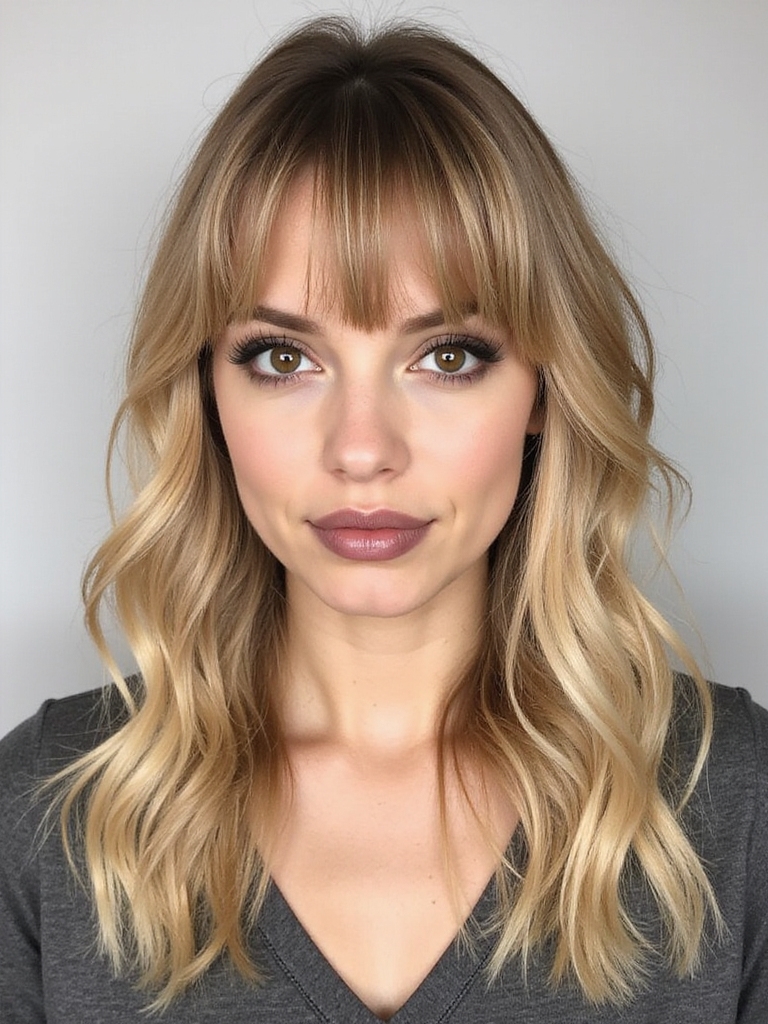
You do not need a salon’s worth of gear to keep curtain bangs looking sharp, but a few key tools make all the difference. The right round brush and a small heat tool are what create that signature soft sweep at home. Most of what you need probably already lives in your bathroom.
Investing in a couple of quality basics pays off daily, since these are the bangs you will be touching up most mornings. A starter kit runs around $30 to $60 and lasts for years.
- A small to medium round brush for shaping the sweep while you dry.
- A blow-dryer with a nozzle, or a small curling iron or wand for the flick.
- A light styling product and a dry shampoo to refresh oily roots between washes.
DIY Curtain Bangs Guide

Curtain bangs are one of the more forgiving fringes to attempt at home, which is why DIY tutorials for them are everywhere. The soft, piecey shape hides small mistakes far better than a blunt fringe would, so the stakes are lower if your hand wobbles. Still, going slow is everything.
Start on dry, styled hair so you can see exactly how the bangs will fall. Section out a triangle from the center of your hairline, twist it together, and snip upward into the twist at an angle rather than straight across, cutting less than you think you need. You can always take more, never less.
Cutting at an angle and into the hair, not across it, is what creates the soft, face-framing taper. If you are nervous, the first cut is worth leaving to a pro, then you can maintain it yourself. The fringe hairstyles guide has more on different fringe shapes if you are still deciding.
The Perfect Blowout
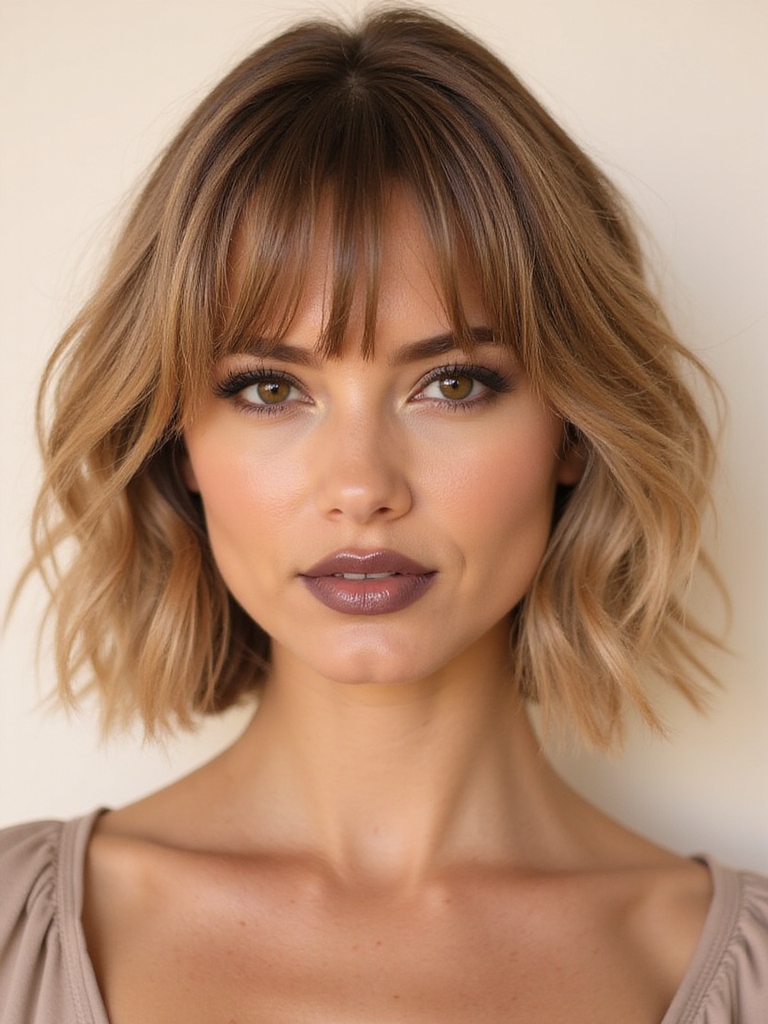
A good blowout is what takes curtain bangs from flat to fabulous, and it is the single skill worth practicing. The round-brush method gives you that smooth, lifted, sweeping shape that defines the look, and it only takes a minute or two once you have the motion down. This is where most of the magic happens.
Start with damp, not soaking, bangs. Aim the dryer down the hair shaft to smooth it, roll a round brush under and back away from your face, and follow the brush with the airflow to set the sweep. A quick blast of cool air at the end locks the shape in.
The direction is the whole trick: always brush and dry away from your face on each side to build that classic curtain part. Practicing a few times turns this into a quick, reliable morning move.
Curtain Bangs on Long Hair
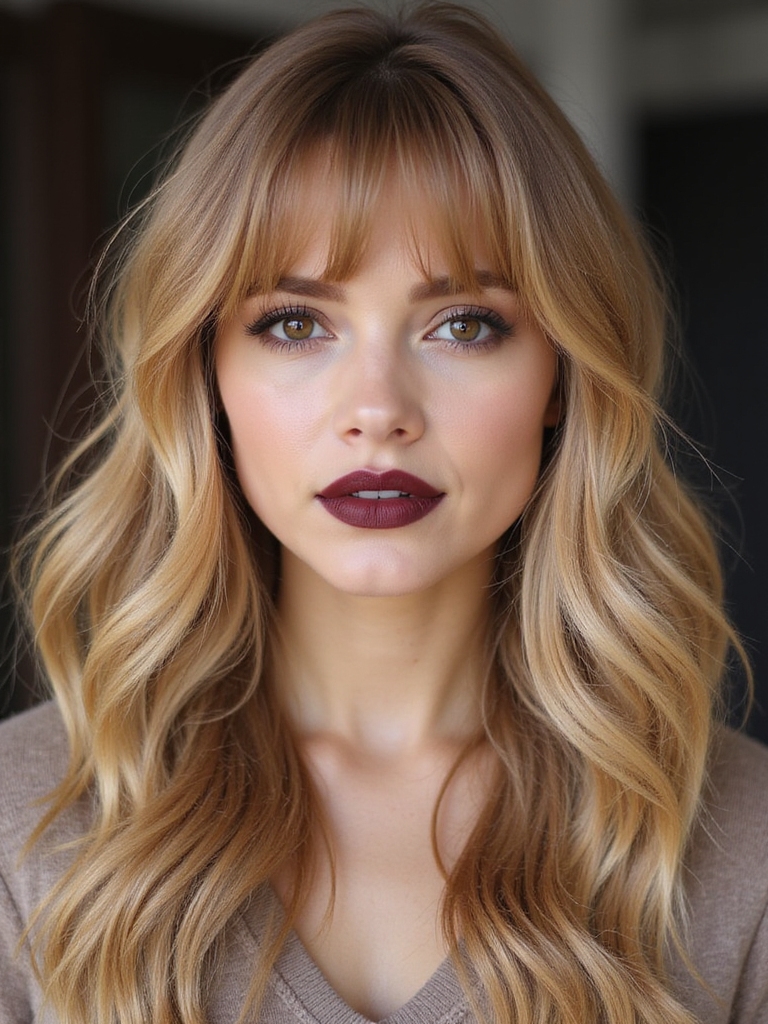
Long hair and curtain bangs are a classic pairing for good reason. The face-framing fringe breaks up long lengths that can otherwise hang flat and heavy, adding shape and interest right around the face where it counts most. It is an easy way to refresh long hair without losing any length.
On long hair, curtain bangs blend beautifully into face-framing layers, creating a smooth flow from the fringe into the rest of the cut. Ask your stylist to connect them to a few longer layers, and the whole look gains movement. The long curtain bangs variation keeps the fringe softer and lower if you prefer minimal commitment.
Short Hair With Bangs
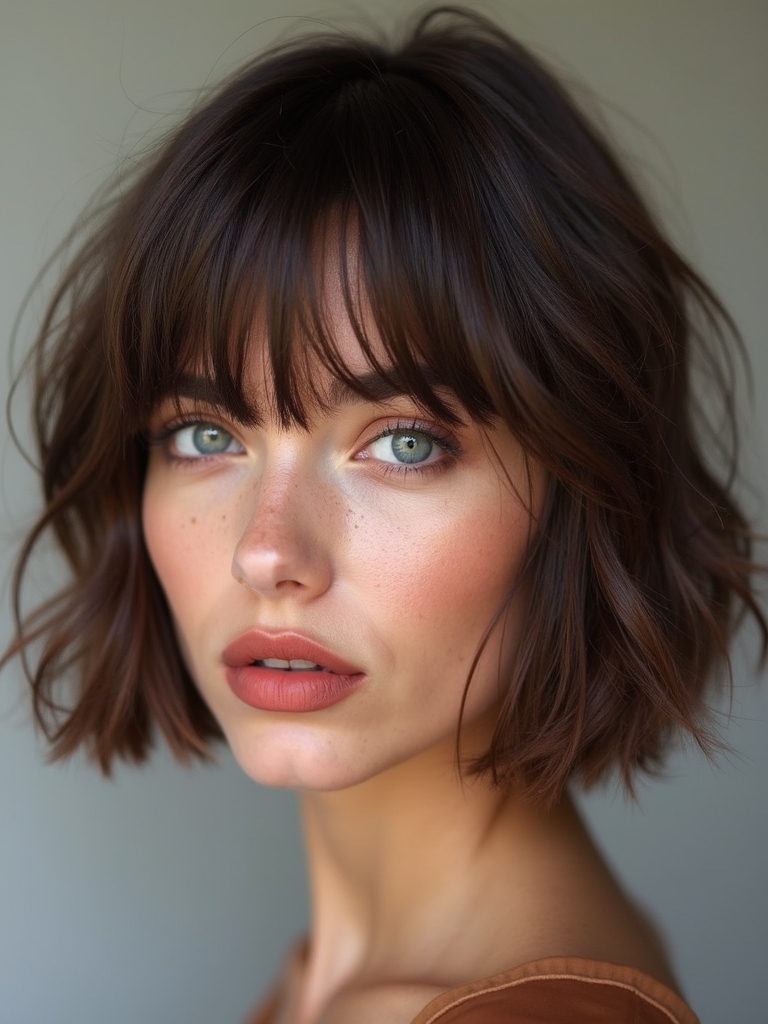
Curtain bangs are not only for long hair; they bring a lot to short cuts too. On a bob or lob, a soft curtain fringe adds the perfect amount of face-framing detail, keeping a shorter cut from looking too severe or boxy. The combination feels modern and chic.
- On a bob, curtain bangs soften the strong horizontal line of the cut.
- On a lob, they add movement and a relaxed, undone vibe.
- On a pixie, longer curtain-style pieces at the front break up the crop beautifully.
The Curtain Bangs Technique
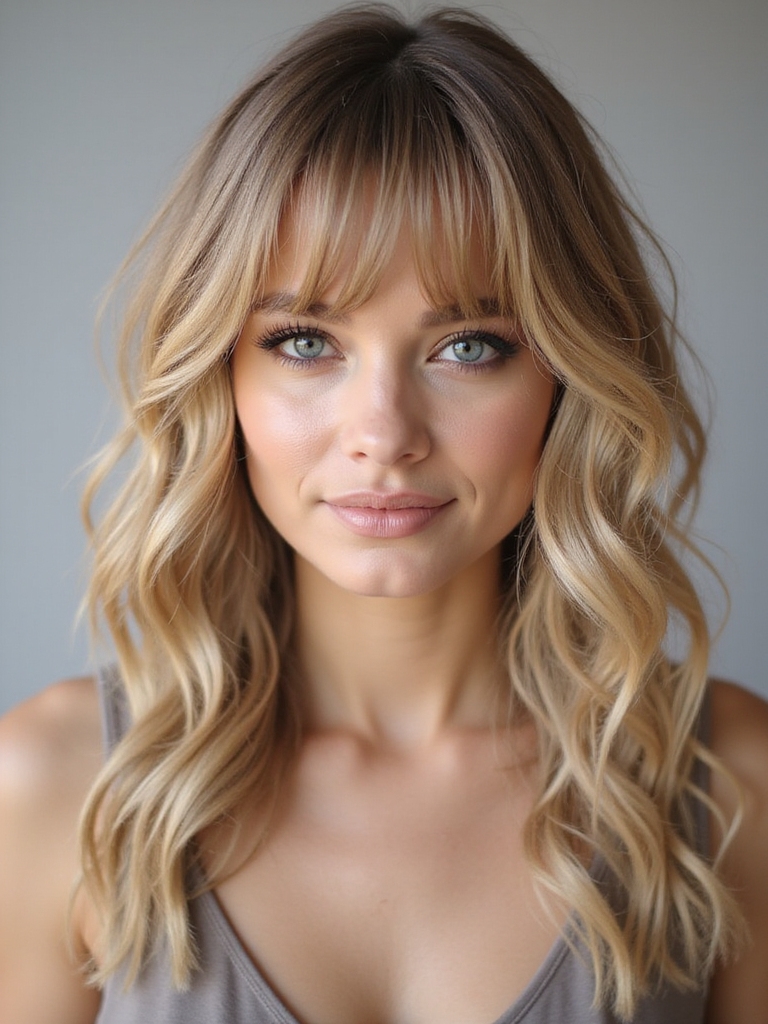
Behind every great set of curtain bangs is a specific cutting technique, and understanding it helps whether you go to a salon or try it yourself. The defining feature is that the bangs are cut at an angle, shorter in the middle and gradually longer toward the sides, which creates the soft, swept frame. A blunt straight cut misses the curtain effect entirely.
Stylists often use point-cutting, snipping into the ends to soften the edges and add that piecey texture. This is what stops curtain bangs from looking heavy or harsh, and it is the detail that separates a professional finish from a flat one.
Regular Trims
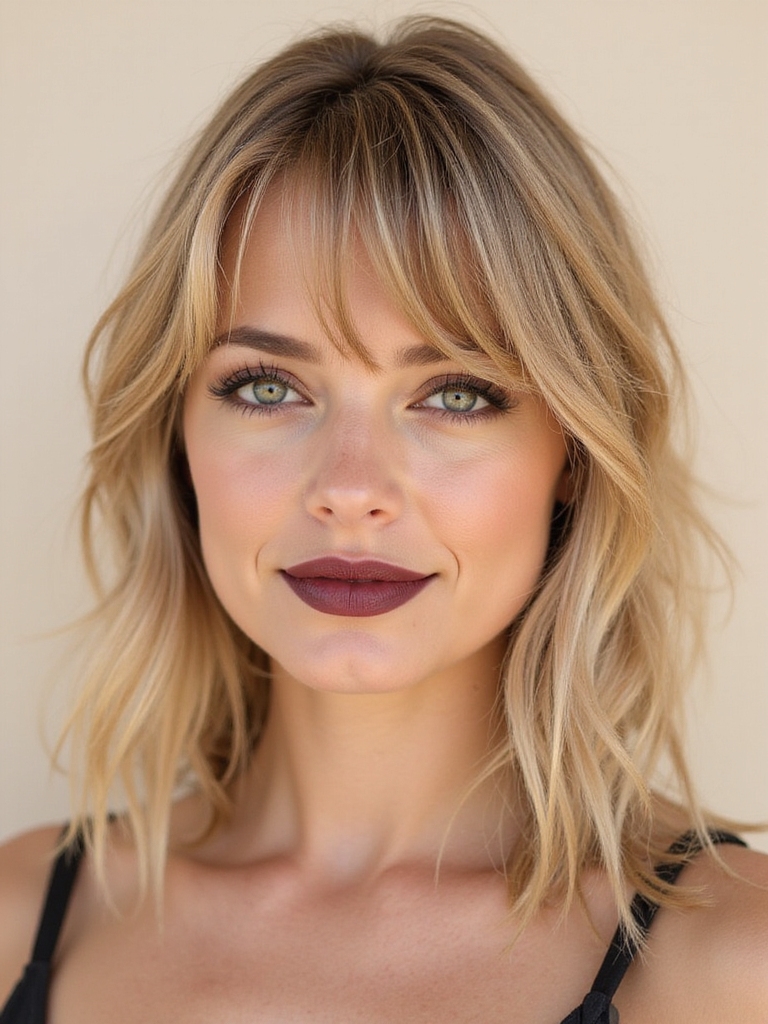
Here is the honest trade-off with any fringe: it grows, and curtain bangs need regular trims to keep their shape. Because they sit right in your eyeline, even a little growth is obvious, so most people reshape them every three to four weeks. This is the main commitment to weigh before you commit.
Salon Trims Versus At-Home
The good news is that trims are quick and often free or cheap. Many salons offer complimentary bang trims between your regular cuts, so it is worth asking when you get them done.
If salon trips every few weeks sound like a lot, this is where learning a careful at-home maintenance trim pays off. A light dusting of the ends buys you time between professional visits without much risk.
Growing Out and Transitioning
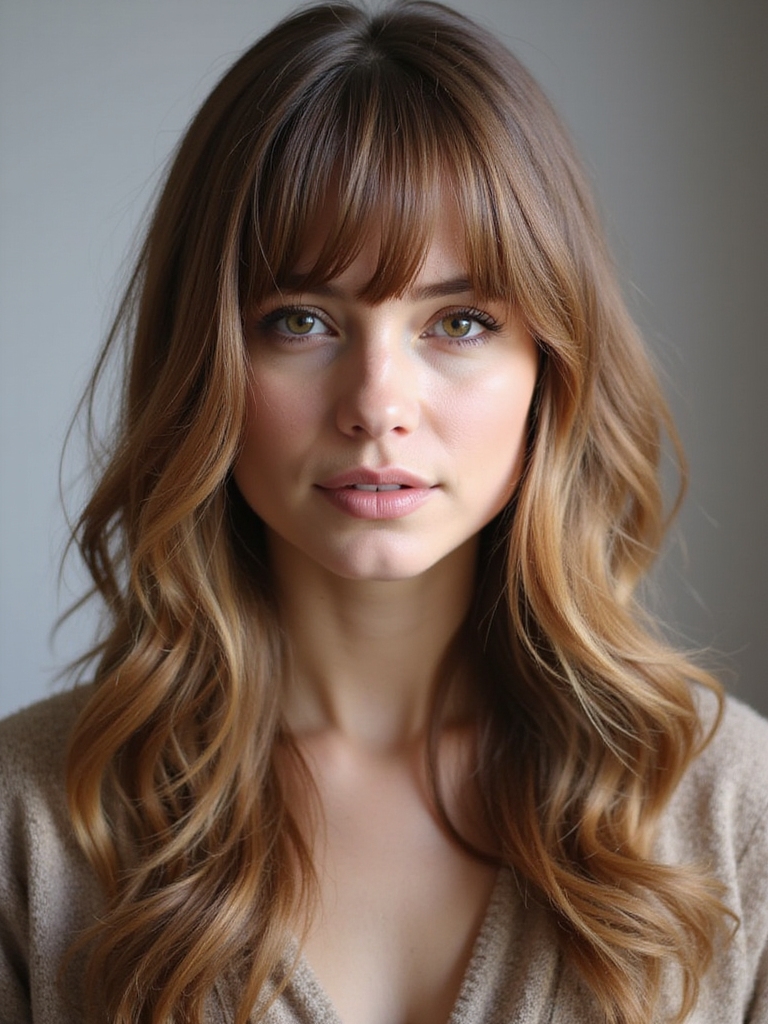
One of the best things about curtain bangs is how kindly they grow out, which takes most of the fear out of trying them. Curtain bangs simply lengthen into face-framing layers that blend into your hair. There is no real awkward phase to suffer through.
No Awkward Stage
As they grow, you can keep wearing them by sweeping them further to the side or parting them more deeply. They gradually become long face-framing pieces, which many people love just as much as the original bangs.
When you are truly done, they tuck easily behind your ears or pin back into the rest of your hair while they catch up in length. That graceful exit is a big reason curtain bangs feel so low-risk to begin with.
The Celebrity Appeal
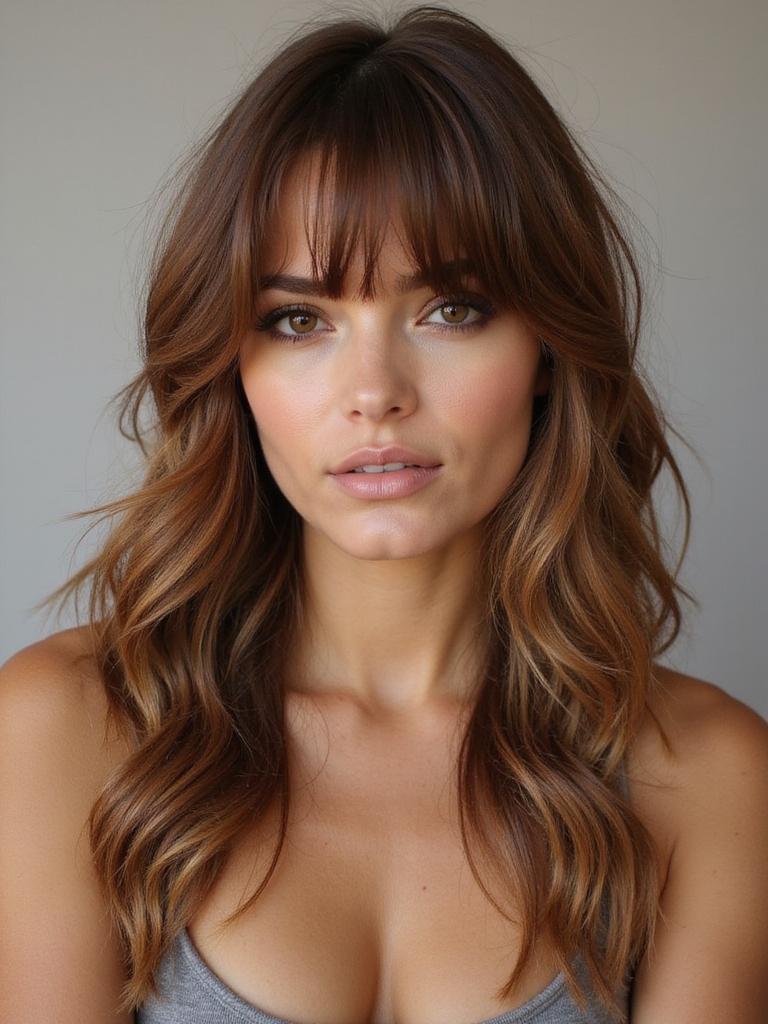
Curtain bangs owe a lot of their staying power to the red carpet and the feeds, where they appear on faces of every shape year after year. Seeing the look worn so widely is reassuring, since it proves just how adaptable the cut really is across different features and styles.
What is worth taking from all that visibility is less a specific famous face to copy, more the sheer range of ways the bangs are worn. Long and wispy, short and bouncy, sleek or textured, the variety shows there is a version for nearly everyone.
Use those looks as a mood board, your call entirely. The best version of curtain bangs is always the one cut for your face, not a carbon copy of someone else’s.
Bangs for Every Season
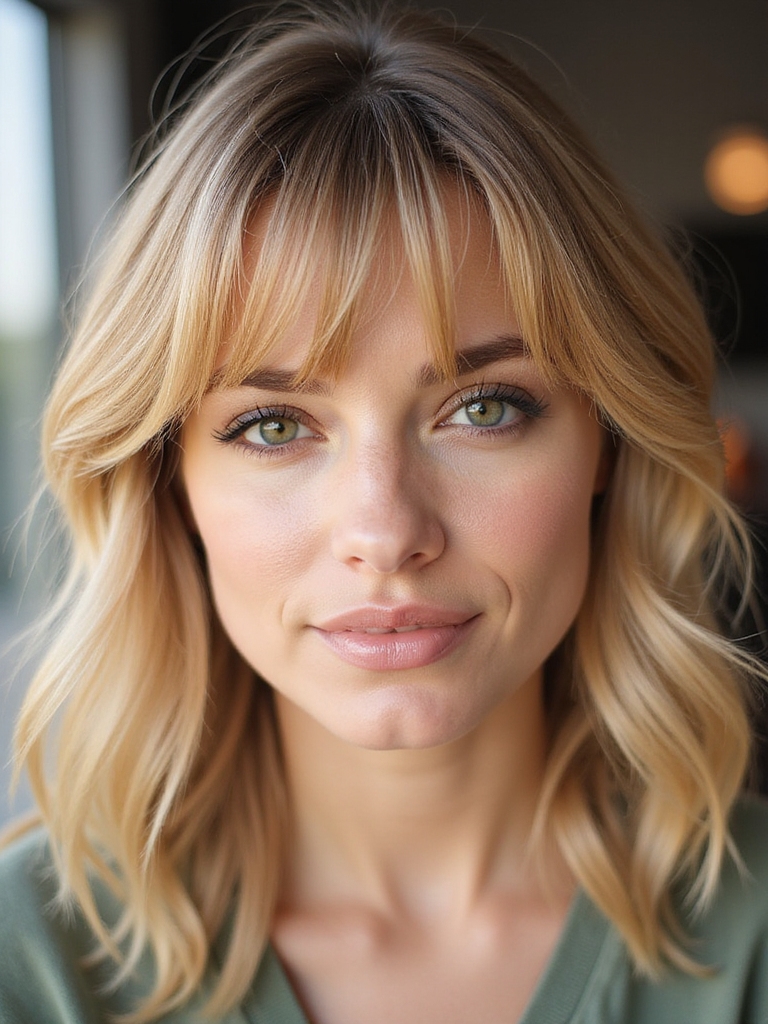
Curtain bangs earn their keep in every season, though how you wear them shifts a little with the weather. Their adaptability means you can adjust your styling to suit humidity, heat, or cold without ever changing the cut itself. They roll with the calendar.
In summer, embrace a more natural, air-dried texture and lean on a light anti-humidity product to fight frizz. A swipe of dry shampoo keeps sweaty roots fresh when it is hot, which bangs need more than the rest of your hair.
In cooler months, a smooth round-brush blowout looks polished, and a little extra moisture counters the dryness of indoor heat. Hats are the one seasonal hazard, since they flatten bangs, so a quick refresh after taking one off keeps the sweep intact.
Bangs as Self-Expression
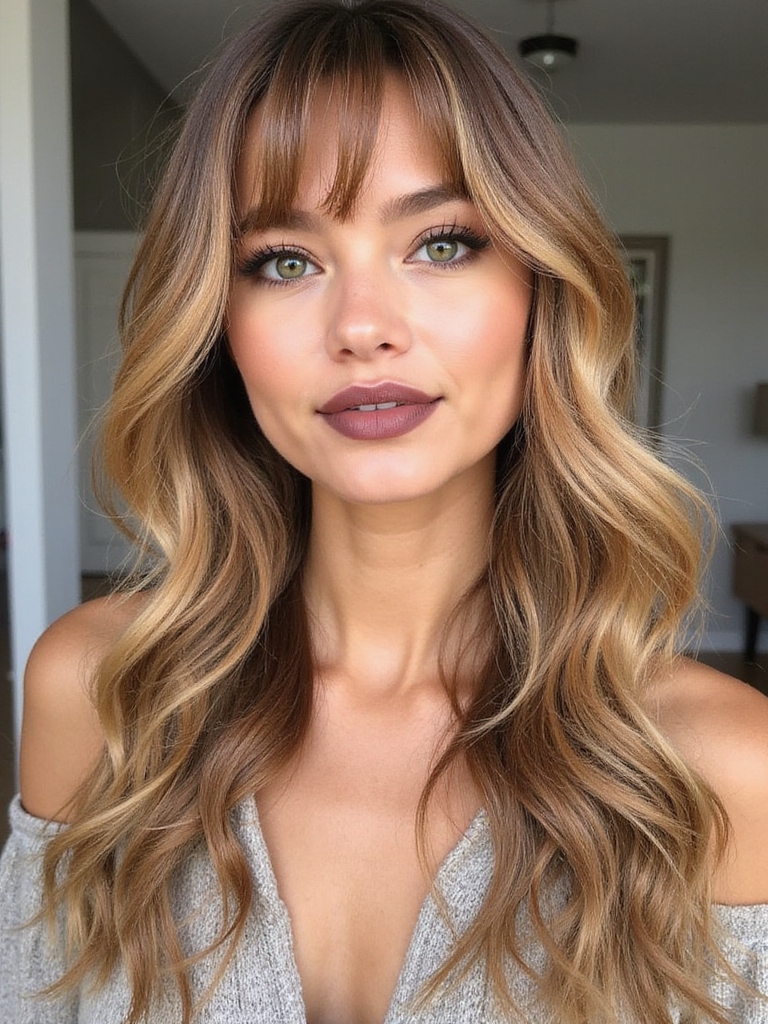
There is a reason so many people reach for bangs at turning points in their lives. A fringe is a low-stakes way to make a visible change, to mark a fresh start or simply shake up a routine that has gone stale, and curtain bangs offer that thrill with the least risk attached. The lift it gives is real.
Because they grow out so easily, curtain bangs let you experiment without the dread of being stuck. That freedom to play, to try a new version of yourself for a season, is a quiet kind of joy few small changes can match.
Curtain Bangs Styling Tips
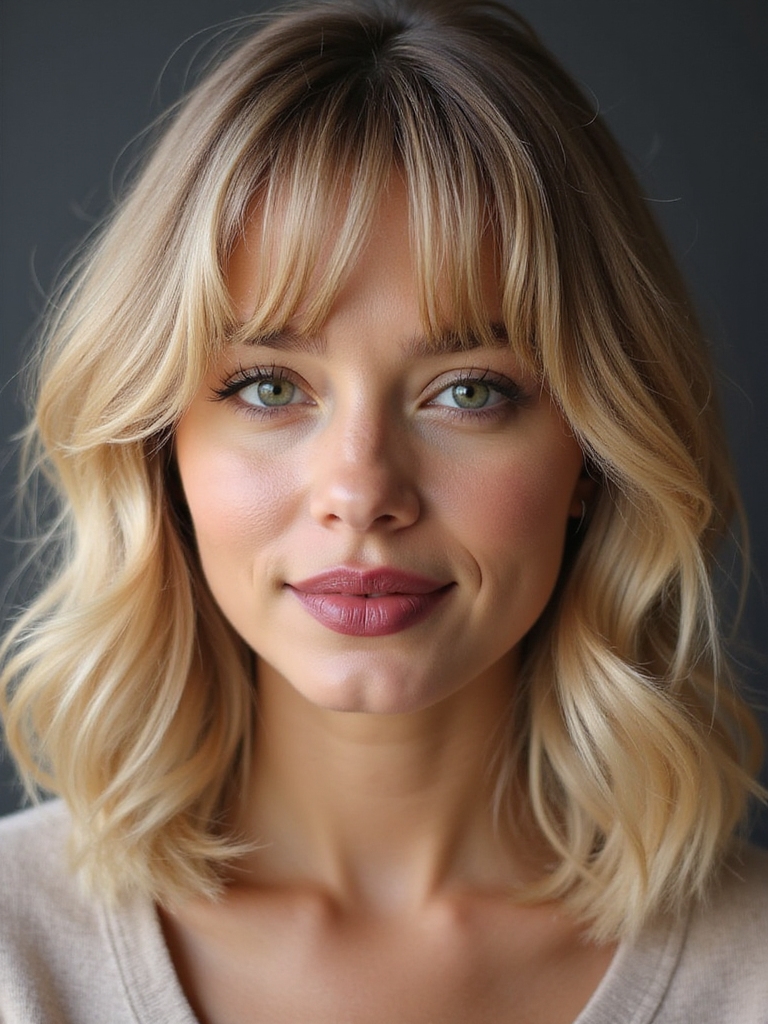
A few small habits keep curtain bangs looking their best day to day, and most take seconds. Since the fringe touches your forehead and gets oily faster than the rest of your hair, a little daily attention goes a long way. These are the moves I find myself repeating most.
- Refresh oily or flat bangs with a quick mist of dry shampoo and a round-brush touch-up.
- Reactivate the shape with a tiny bit of water on a brush instead of a full restyle.
- Keep your hands out of them during the day, since touching transfers oil and drops the sweep.
Accessories for Bangs
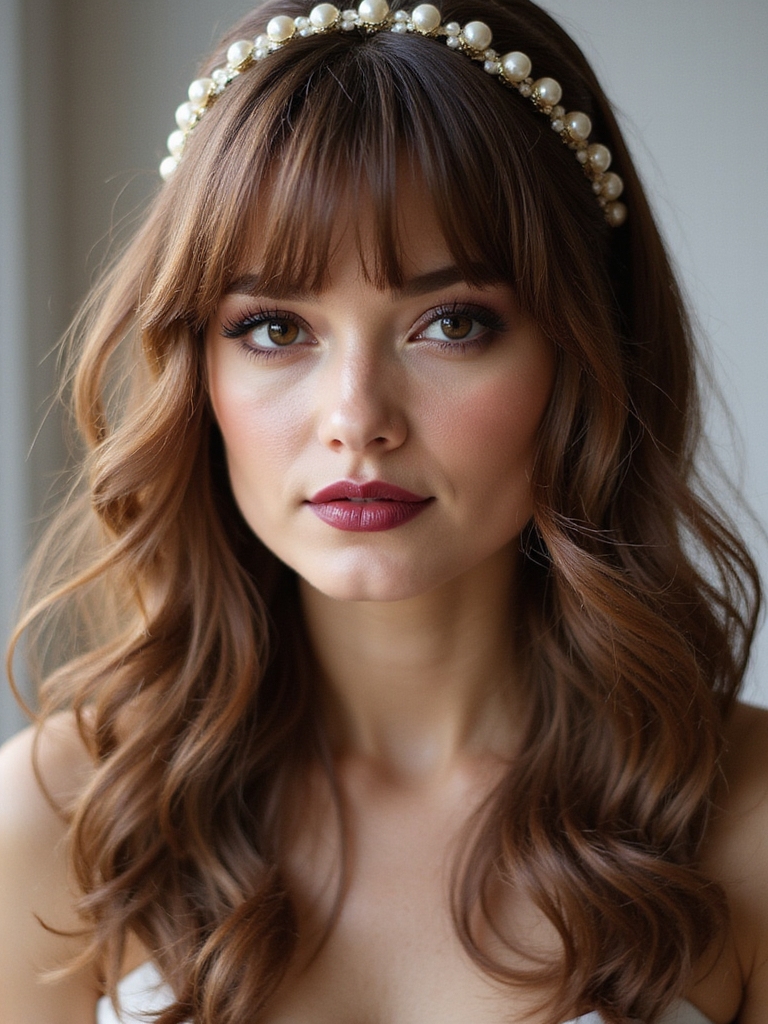
Accessories give curtain bangs a whole second life, whether you want to dress them up or simply get them off your face. The face-framing length is the perfect canvas for clips, headbands, and scarves, which is handy on days the bangs are not cooperating. A good accessory turns a flop into a feature.
Small claw clips and bobby pins let you sweep the bangs back loosely for an instant, polished change. A headband pushes them off the face entirely while you wait out a grow-out phase or a humid afternoon.
For events, a decorative pin or a pretty scarf woven in lifts the whole look in seconds. The bangs give these pieces something to hold onto, so they stay put far better than on a bare hairline.
Curtain Bangs and Color
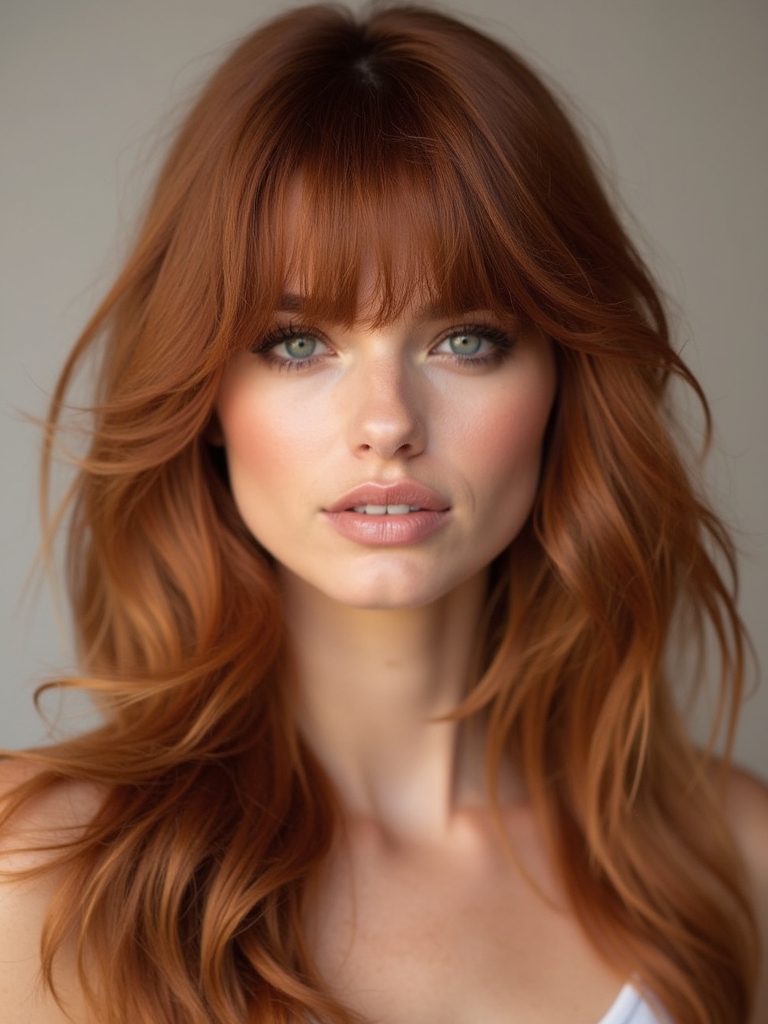
Color and curtain bangs can amplify each other beautifully when you place the color with the fringe in mind. Face-framing highlights, often called a money-piece, brighten the front sections and make the curtain shape pop, drawing even more attention to the face. It is one of the most flattering places to lighten.
You can keep it subtle with a soft, blended brightness or go bold with a contrasting money-piece for real drama. Either way, lightening the bangs and front pieces lifts the whole face, and it pairs naturally with balayage through the lengths for a cohesive, sun-touched finish.
Curtain Bangs by Face Shape
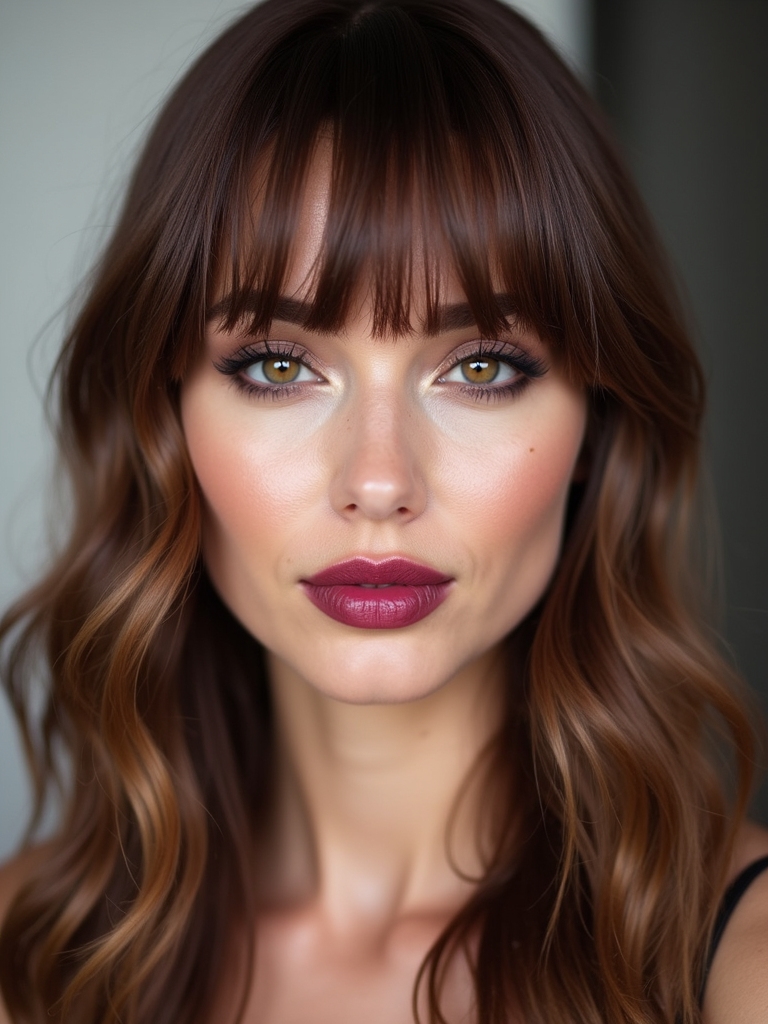
While curtain bangs flatter nearly everyone, small tweaks make them sing for your specific face shape. Knowing what to ask for turns a good fringe into a great one, so use this as a cheat sheet for your next appointment.
- Round faces: longer, lower curtain bangs add length and slim the face.
- Square faces: soft, wispy bangs round off a strong jawline.
- Heart and oval faces: most lengths work, so play with where the sweep starts.
Adventurous Yet Adaptable
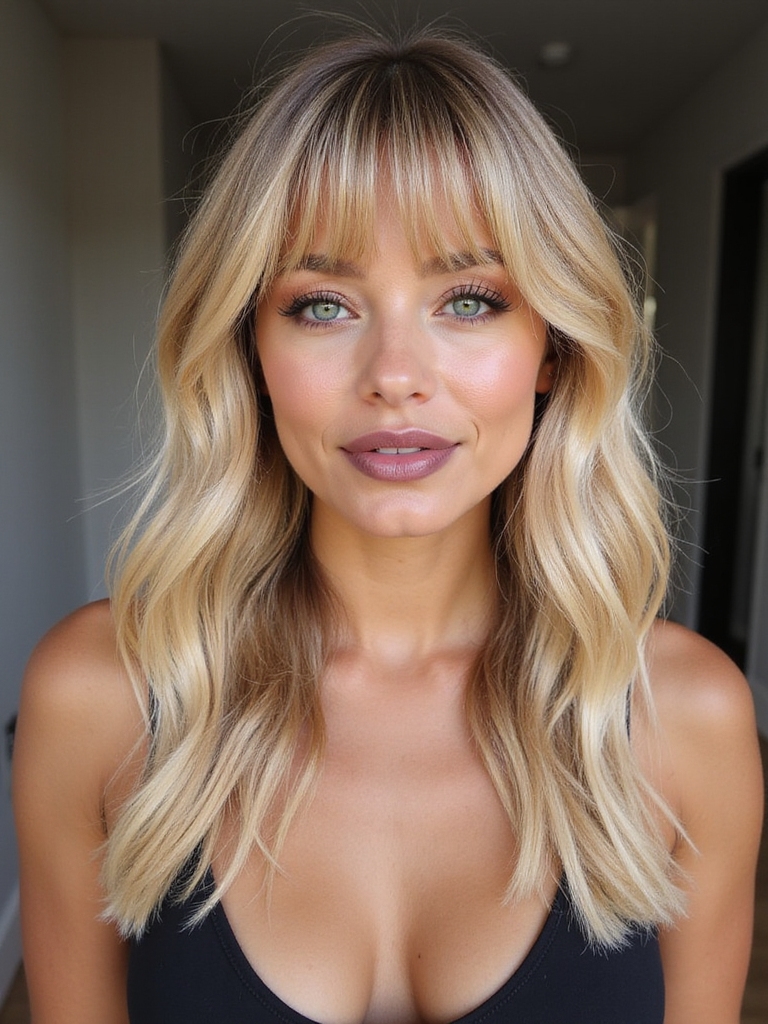
Curtain bangs hit a sweet spot that few haircuts manage: they feel adventurous enough to satisfy the itch for change, yet stay adaptable enough that you never feel trapped. You get the fun of a real transformation with a built-in safety net, which is a rare combination among haircuts.
That balance is why they suit cautious first-timers and seasoned hair experimenters alike. You can dial the drama up or down, and you always have the option to pin, grow, or restyle your way out.
- Adventurous: an instant, face-framing change that refreshes your whole look.
- Adaptable: easy to pin back, grow out, or restyle when the mood shifts.
- Low-regret: the forgiving cut that talks nervous first-timers off the ledge.
Bold Self-Expression
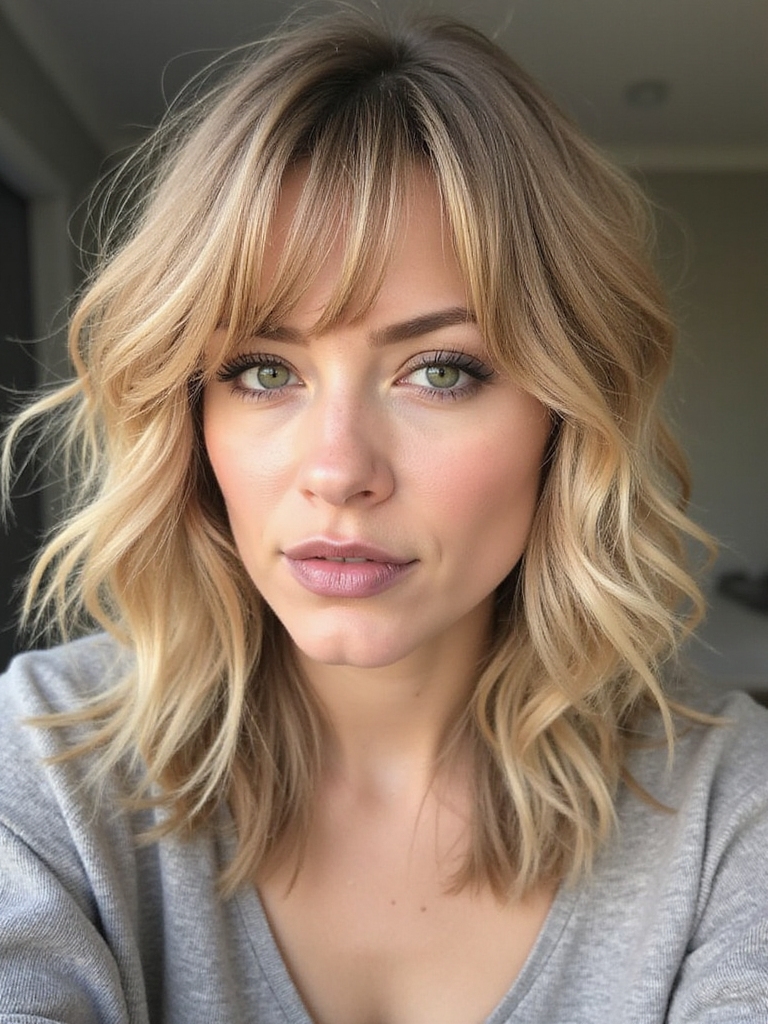
At their best, curtain bangs are a form of self-expression, a way to telegraph a little of your personality through your hair. Whether you wear them sleek and sharp or soft and tousled, the way you style them says something about you, and that personal stamp is the real point. Make them yours.
Break the Rules
Do not be afraid to break the so-called rules to suit your taste. Want them extra long, asymmetrical, or paired with a bold color? Those choices are exactly what turn a common cut into a signature look that feels unmistakably like you.
The most striking curtain bangs are always the ones worn with confidence. Cut them for your face, style them your way, and let them frame not just your features but a bit of who you are. For more ideas on a similar swept shape, the side bangs guide is worth a look.
What to Expect
If you are still on the fence, here is the honest reality of living with curtain bangs. The first cut at a salon usually runs about $40 to $80 depending on where you go, and you can expect to spend a couple of minutes most mornings setting the sweep with a round brush. The upkeep is the part I see people underestimate most, so be ready for a regular reshape to keep them out of your eyes.
On the upside, this is honestly among the lowest-regret cuts out there. They pin back on the days you cannot be bothered, and they suit nearly every face shape and hair type. Go in knowing the styling and trim commitment, and curtain bangs reward you with a fresh, face-framing look that is easy to fall for and easy to leave behind.
Curtain Bangs Questions, Answered
?Will curtain bangs suit my face shape?
Almost certainly. Curtain bangs rank among the most universally flattering fringes precisely because the length and sweep are tailored to your features rather than handed to you as a fixed template, which is what lets them work across nearly every face shape.
?How often do curtain bangs need trimming?
Most people reshape them every three to four weeks, since they grow into your eyeline quickly. Many salons offer free bang trims between cuts, and a careful at-home dusting can stretch the time between professional visits.
?Can I cut curtain bangs myself?
You can, and they are one of the more forgiving fringes to DIY. Cut on dry, styled hair, twist the section, and snip upward into it at an angle, taking less than you think. If you are nervous, get the first cut done professionally and maintain it yourself.
?Do curtain bangs work on curly hair?
Yes, beautifully. They just need to be cut longer to account for shrinkage, since curls spring up as they dry. A curl-aware stylist will cut them to land in the right place once your hair is dry and in its natural pattern.
Worth the Snip?
After all of it, curtain bangs come down to a simple bargain: a few minutes of styling and a trim every few weeks in exchange for a soft, flattering frame that suits almost everyone and forgives almost everything. For a change that feels meaningful without being scary, that is hard to beat.
If the idea has been tugging at you, take it as your sign to book the appointment or, carefully, to pick up the scissors. The worst case is a graceful grow-out into pretty layers, and the best case is a look you wish you had tried years ago. Either way, your face has nothing to lose and a lovely new frame to gain.
More to Explore