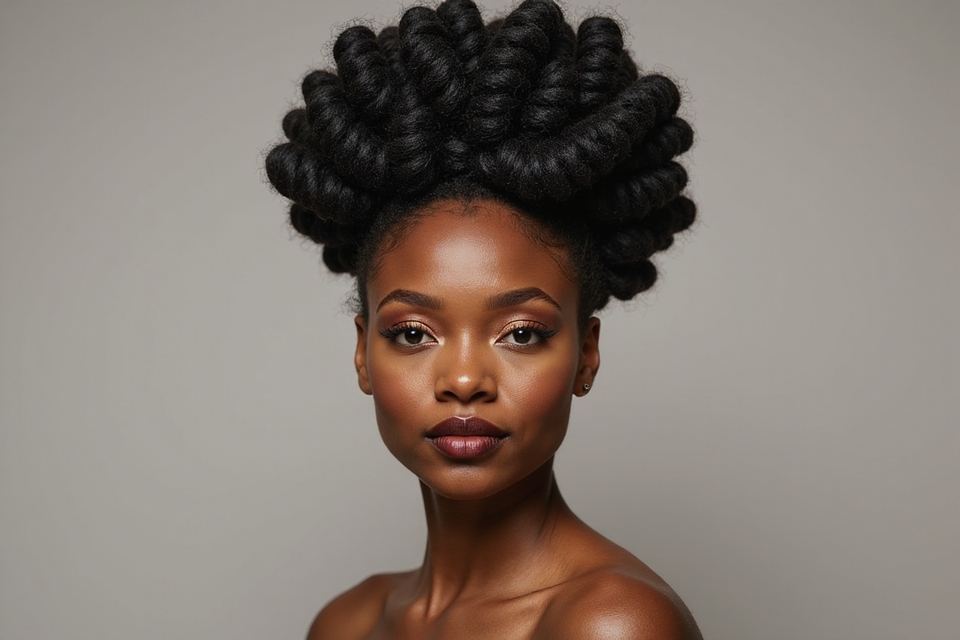
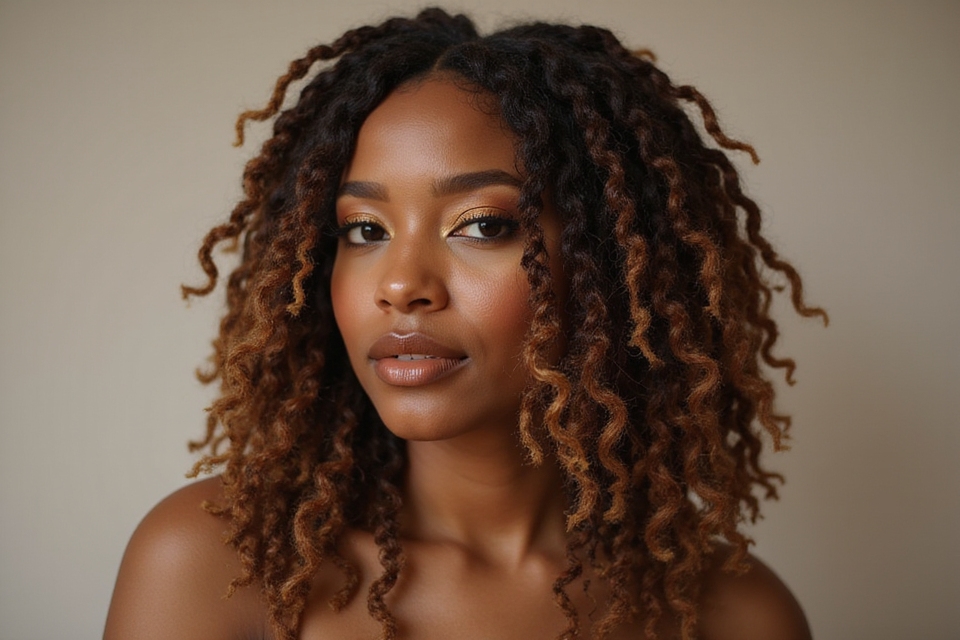
Butterfly locs are the distressed, looped cousin of faux locs, and the loops are the whole point. Where a regular faux loc is wrapped smooth, these leave soft gaps and frizzy curls along each loc, giving the whole head a bohemian, undone look from day one. They are lightweight, protective, and forgiving, which is why they have stayed in heavy rotation for years now.
If you are weighing them up, you want straight answers: what hair to buy, how long they take, what they cost, and how to keep your real hair healthy underneath. That is what this guide covers, from the install method to the night routine, with honest notes on upkeep and the handful of things that really go wrong.
Butterfly Locs, Quick Answers
What are butterfly locs? Distressed faux locs made with the crochet method and water wave hair, with loops and frizz left out for a soft, bohemian texture.
How long do they last and cost? Most sets hold 6 to 8 weeks and cost roughly $150 to $300 installed, depending on length and your stylist.
Are they good for my hair? Yes, as a protective style, as long as they are not installed too tight and you keep your scalp and edges moisturized.
The Cultural Roots of Butterfly Locs
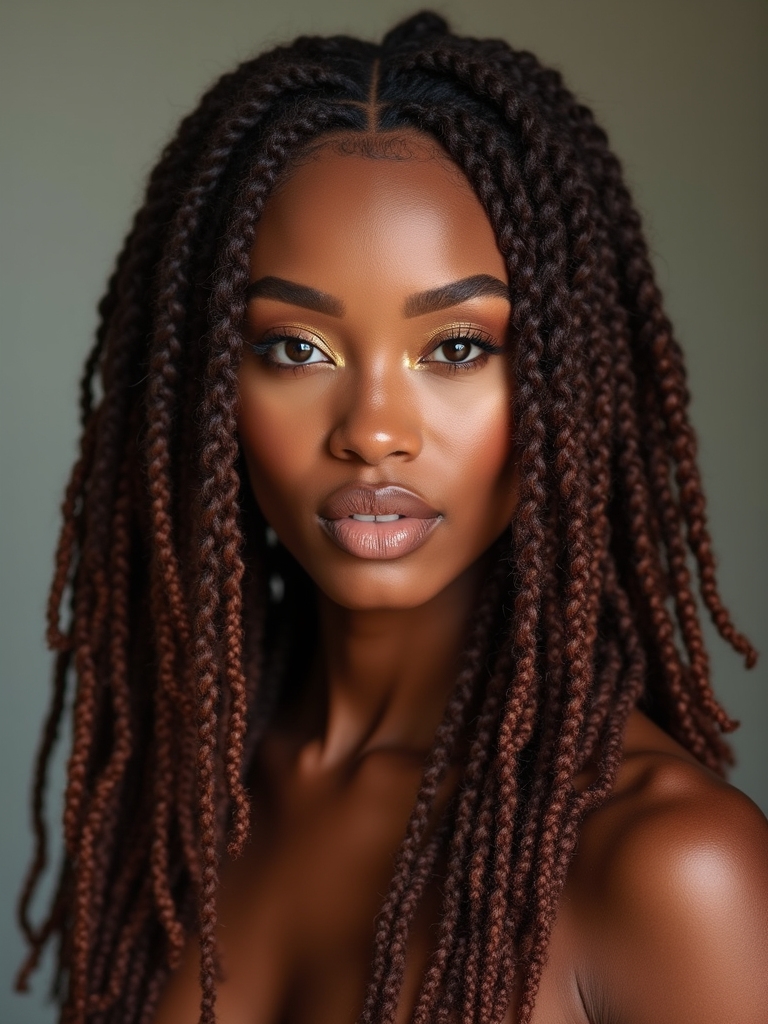
Butterfly locs grew out of the long tradition of locs and faux locs in Black hair culture, where protective styling has always been both practical and an art form. They are a newer, distressed take, built to look soft and free.
What set them apart was the looped, textured finish, made possible by the crochet method and curly extension hair. They arrived as a softer, more bohemian option in a family of styles that has carried real cultural weight for generations.
Lightweight and Versatile Appeal
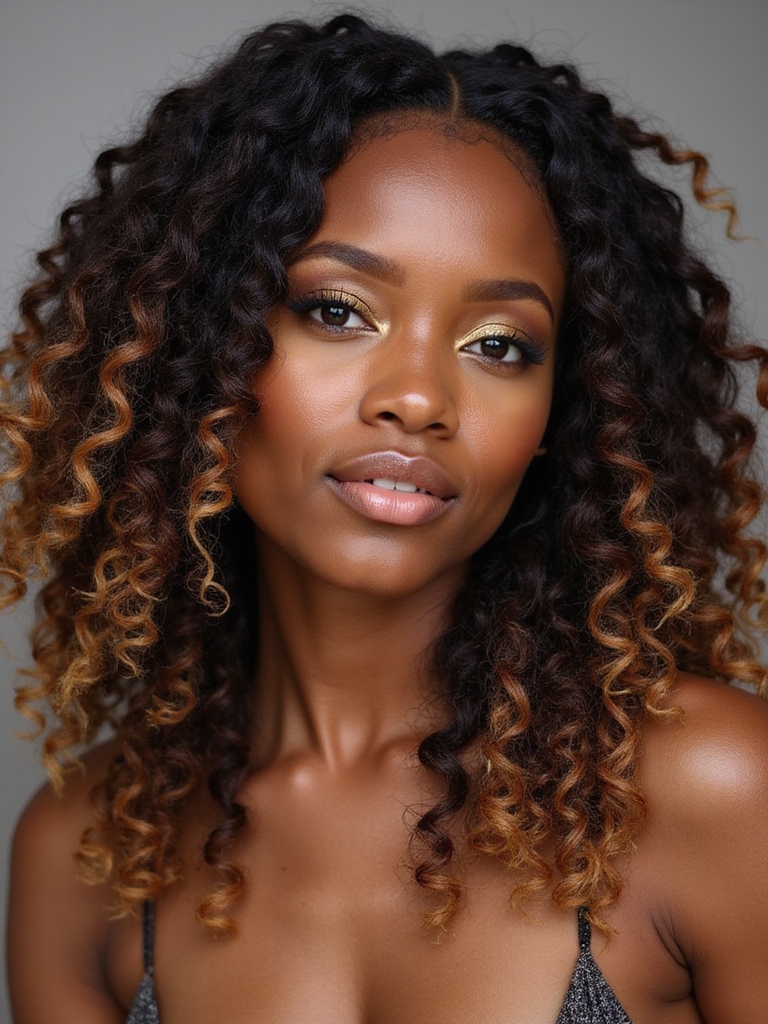
The first thing clients notice is how light butterfly locs feel compared with other extension styles. Because they use the crochet method, there is less hair packed onto each section, so your neck and scalp carry far less weight.
That lightness is a big part of the appeal, especially in warmer months. They move easily, they spare you the headache that heavy braids can bring, and they suit almost any face and any length you choose.
They are also flexible. You can wear them long and dramatic or short and playful, up in a bun or loose, which makes a single install feel like several different looks over its six-week life.
🅰️Butterfly locs
Temporary, looped, and frizzy; out in six to eight weeks
🅱️Traditional locs
Your own hair, loced permanently over months and years
Butterfly Locs vs Traditional Locs
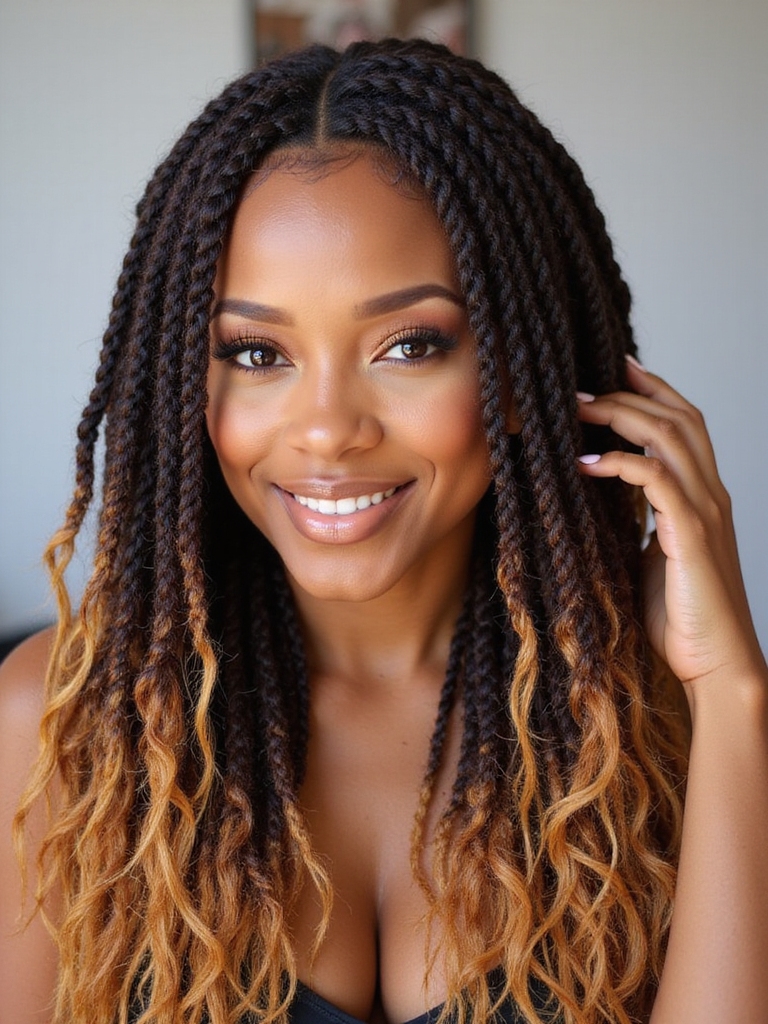
The names sound alike, but these are completely different commitments, and it is worth being clear before you book. Traditional locs are your own hair, loced permanently over months and years; butterfly locs are a temporary style you take down in weeks.
- Traditional locs are permanent and made from your own hair over time.
- Butterfly locs use extension hair and come out after six to eight weeks.
- If you want the look without the lifetime, butterfly locs or other faux locs are the way in.
Texture, Length, and Thickness
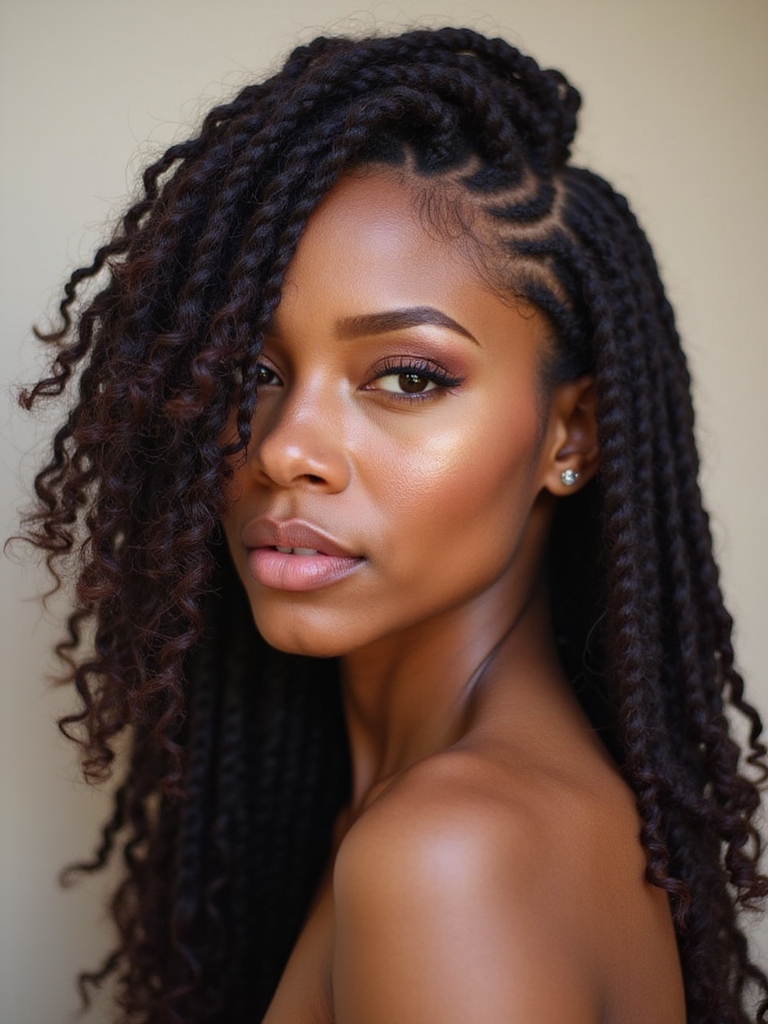
Before the install, you and your stylist decide on three things that change everything: how thick each loc is, how long they fall, and how much loop texture you want left out. These choices drive both the look and the upkeep.
- Thinner locs read delicate but take longer to install; thicker locs go faster.
- Length from the shoulder to the waist is all on the table, but longer means heavier.
- More loops give a wilder, bohemian texture; fewer loops look sleeker.
| Detail | Typical range | Note |
|---|---|---|
| Install time | 3 to 6 hours | Longer for thin locs or thick hair |
| Cost | $150 to $300 | Varies by length and stylist |
| Lifespan | 6 to 8 weeks | Take down sooner if edges feel sore |
Installing Butterfly Locs
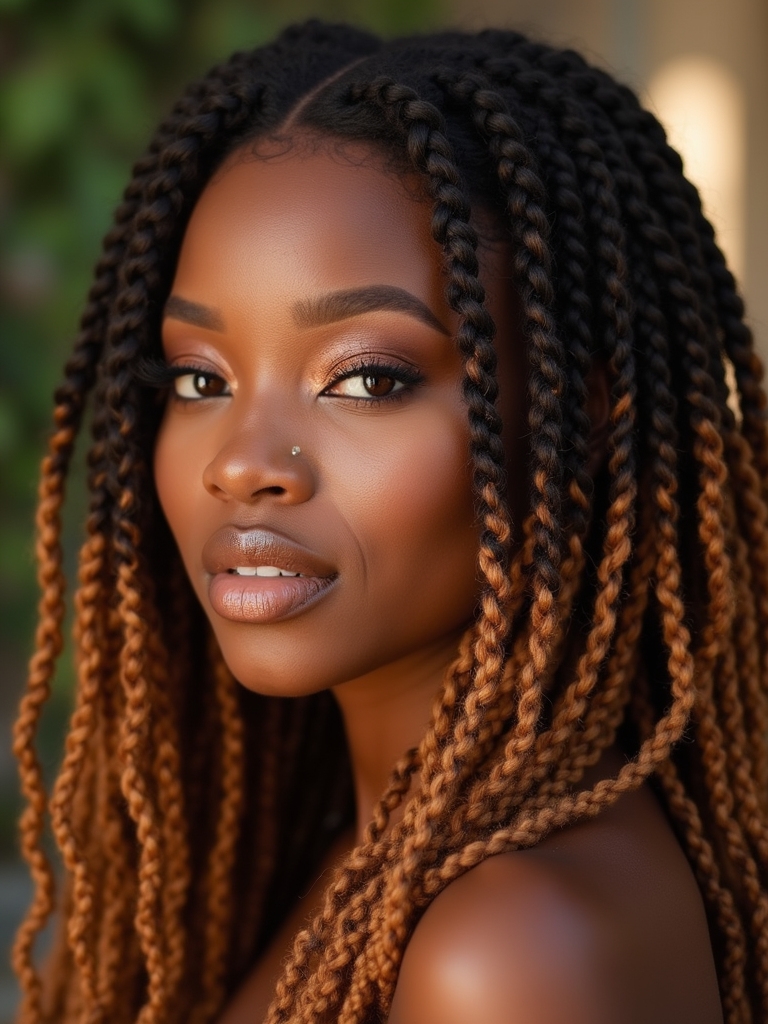
Most stylists build butterfly locs with the crochet method, wrapping water wave hair around a base and looping it for that signature distressed texture. The base can be a small two-strand twist or a crochet braid, depending on who is doing the work.
Why Tension Matters Most
Set aside real time. A full head takes 3 to 6 hours depending on the size and your hair density, so block out a whole afternoon for it. Bring water and something to watch.
The single most important rule is tension. The locs should never be installed so tight that your scalp stings or your edges pull, because that kind of constant tension is what leads to traction damage over time.
The Tools You Need
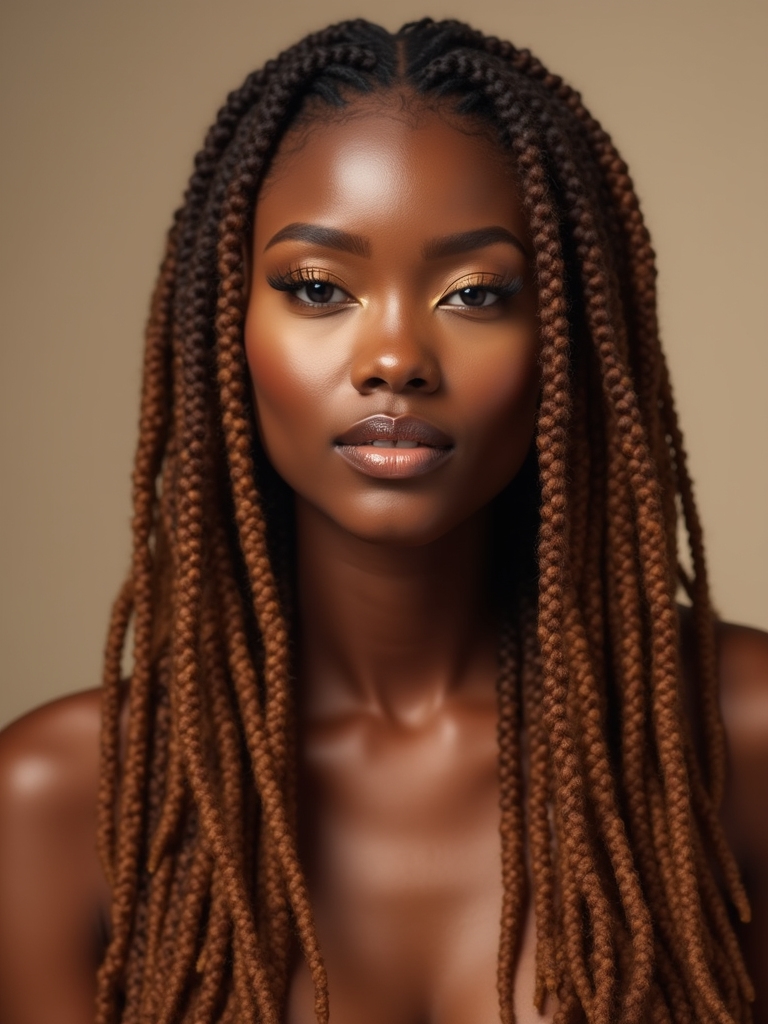
If you are installing them yourself, the supply list is short but specific, and buying the right hair matters more than anything else. Water wave hair is what gives butterfly locs their loops, so make sure that is exactly what you buy.
Beyond the hair, you need a crochet hook and a few basics most naturals already own. Plan to buy more packs than you think; running out halfway through an install is the most common rookie mistake.
- Water wave hair, usually six to eight packs for a full head.
- A crochet hook and a rat-tail comb for clean parting.
- Mousse or a light gel to smooth the base and calm frizz.
Pick your loop texture by the vibe you want:
🎯Lots of loops
Wild, bohemian, undone; the most forgiving as it frizzes
🎯Few loops
Sleeker and more polished, but shows fuzz sooner
Maintaining Your Locs
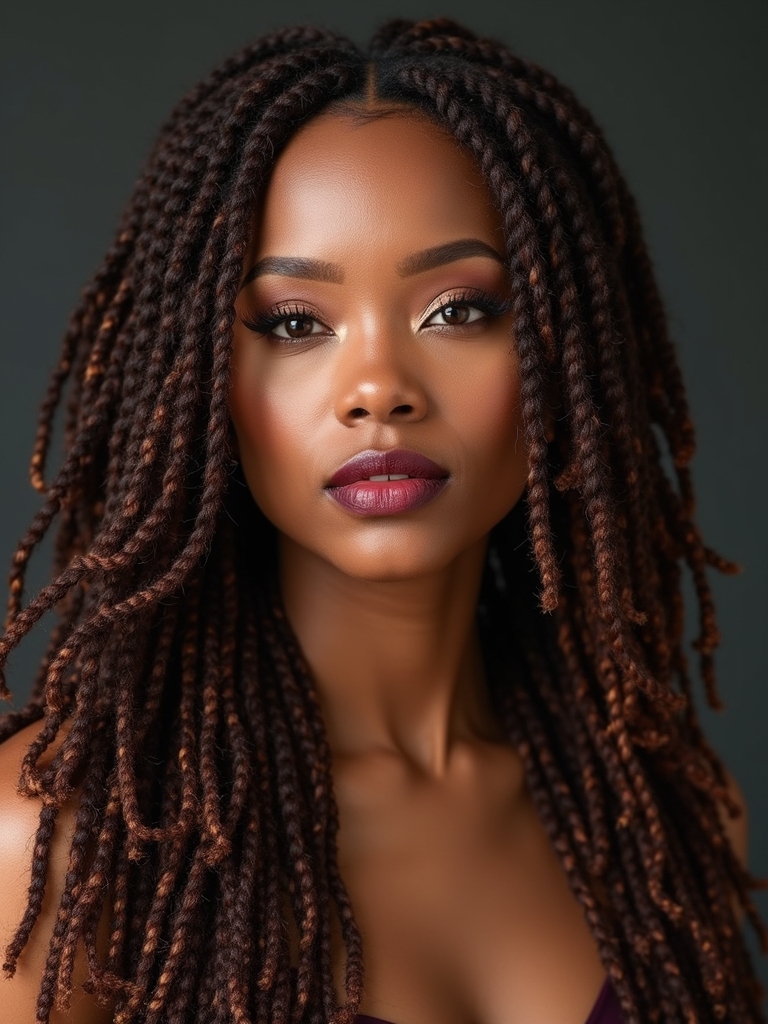
Butterfly locs are low on daily effort, but they still want a little weekly care to stay fresh rather than fuzzy. The goal is a clean scalp, moisturized hair, and tidy edges, without disturbing the loops too much.
- Cleanse the scalp every week or two with diluted shampoo and an applicator bottle.
- Refresh your edges every two weeks with a little gel and a soft brush.
- Re-dip frizzy ends in hot water if they start to unravel.
Ways to Accessorize
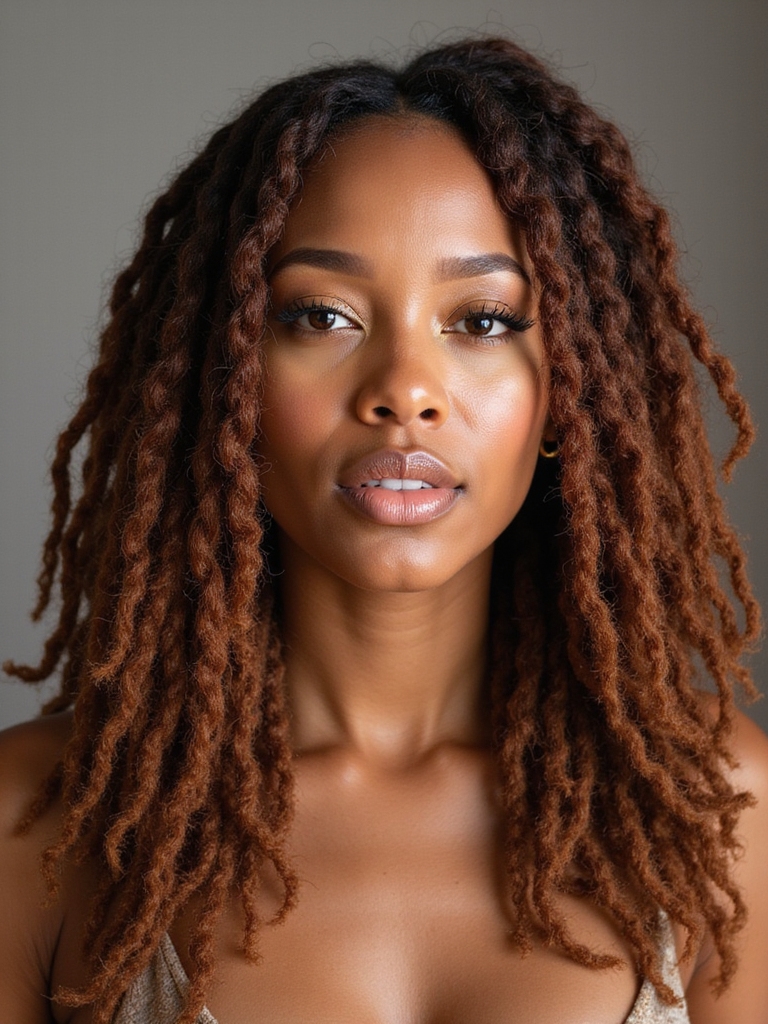
Accessories are where butterfly locs get to be fun, and a few small additions completely change the mood. Gold cuffs, wooden beads, and thread wraps all sit beautifully against the textured loops.
Just keep the weight in mind. A handful of cuffs looks striking, but loading dozens onto your locs adds pull at the root, so scatter them and keep the heaviest pieces toward the ends.
- Metal cuffs for a polished, editorial finish.
- Wooden or glass beads for a warm, earthy look.
- Thread wraps in a few locs for a pop of color.
The night routine in three quick moves:
1Mist
A little light oil or spray on the scalp a few nights a week
2Wrap
Tie the locs up loosely and cover with a satin scarf or bonnet
Mistakes to Avoid
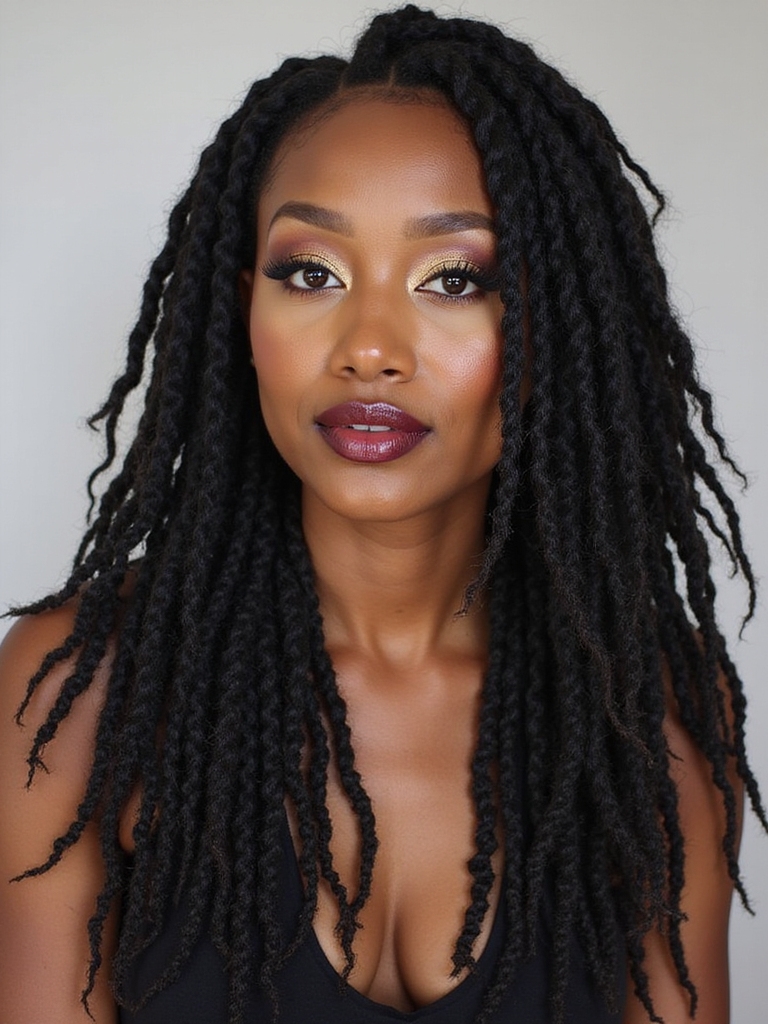
Most butterfly loc regrets come down to a few avoidable choices, and knowing them ahead of time saves your hair and your money. The biggest is leaving them in too long, which lets your new growth tangle into the locs and makes takedown rough.
The second is neglecting the scalp because it is hidden. It is easy to forget the skin under the locs, and that is exactly where buildup and dryness quietly cause trouble. I tell first-timers to treat wash day as non-negotiable.
- Don’t leave a set in past eight weeks, or takedown gets risky for your hair.
- Don’t skip scalp washes just because the hair is tucked away.
- Don’t let anyone install them painfully tight, no matter how neat it looks.
Keeping Your Locs Healthy
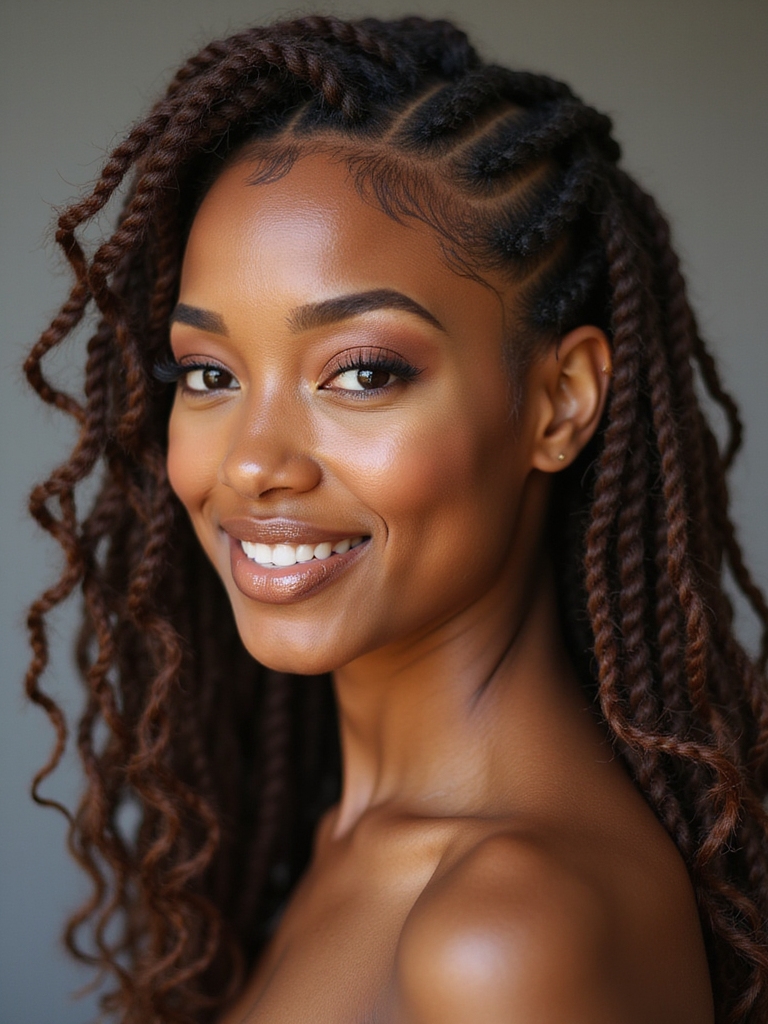
The whole point of a protective style is protecting what is underneath, so your real hair and scalp deserve more attention than the locs themselves. Keep the scalp clean and moisturized, watch your edges for any sign of strain, and the style will do its job. If your edges ever feel sore or you see thinning at the hairline, take the locs down early instead of waiting it out.
- Moisturize your scalp two or three times a week with a light oil or spray.
- Watch your edges; tenderness or thinning means the install was too tight.
- Hydrate your own hair at takedown with a deep conditioning treatment.
Hair Transition Tips

Getting in and out of butterfly locs smoothly protects your hair through the whole cycle, and the transitions are where damage usually sneaks in. Start with clean, deeply moisturized hair so your strands are strong going into the install.
A Gentle Takedown
On the way out, take the takedown slowly. Unravel each loc gently, work conditioner through the shed hair to loosen tangles, and give yourself a full evening for it. The roughest damage I see at takedown always comes from people rushing this part.
Plan a recovery week between styles, too. Let your hair breathe, wash and treat it, and resist the urge to install the next set the very next day.
Customizing Your Style
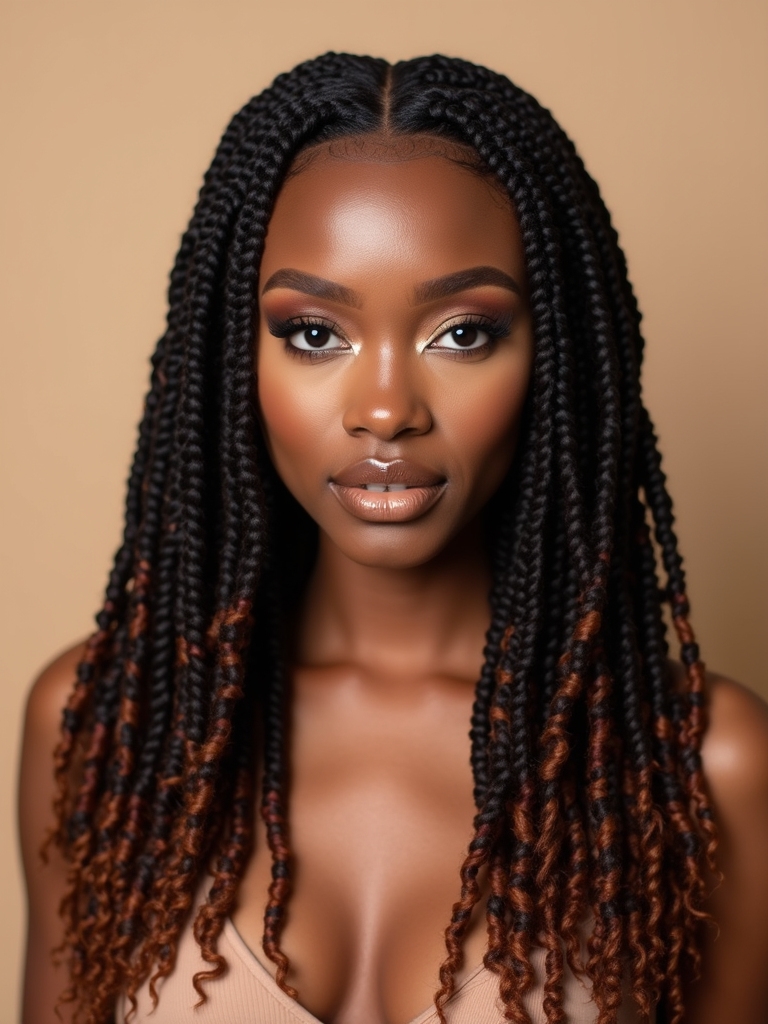
No two heads of butterfly locs need to look the same, and the small choices are what make a set feel personal. From the part to the loop density, you can tune the style to your face, your wardrobe, and how bold you want to be.
- A center or side part changes the whole frame of the face.
- Mixing two lengths adds dimension and a layered effect.
- Heavier loops read boho; tighter, smoother locs read sleek and modern.
Bold Colors and Highlights
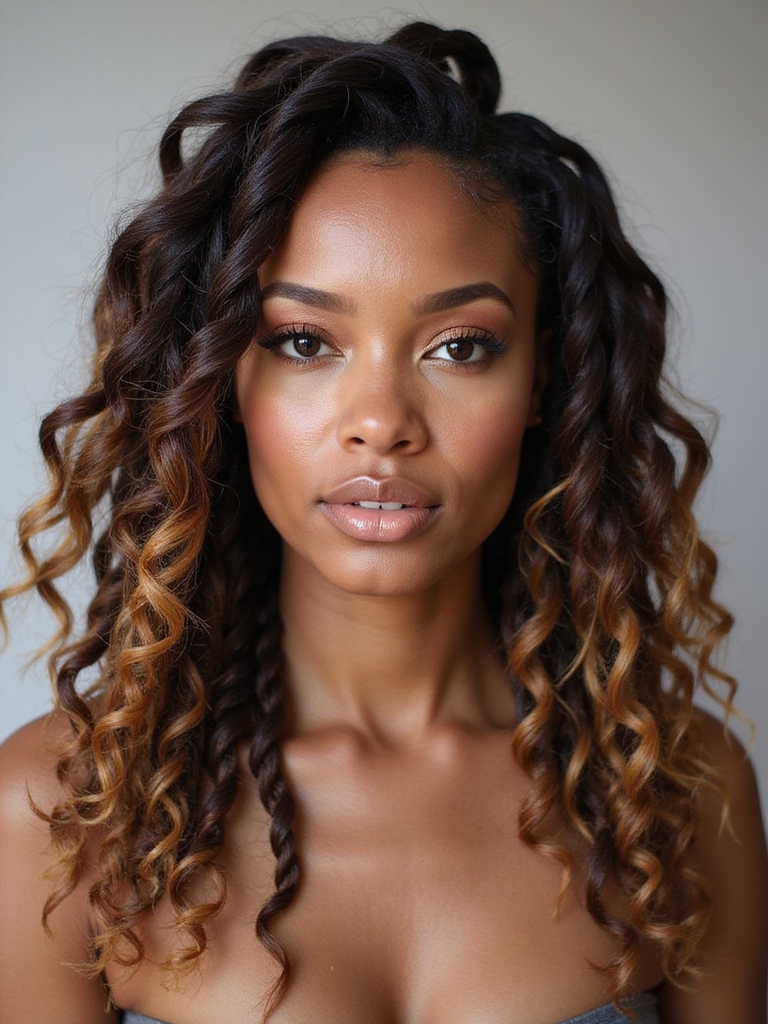
One of the quiet joys of butterfly locs is that you can play with color without putting a drop of dye on your own hair. Because the color lives in the extension hair, you can go burgundy, honey, or copper for two months and walk away clean.
It is a low-risk way to trial a color you have wondered about without any commitment. Buy the hair in your chosen color, or blend two tones through the install for a dimensional, sun-touched effect.
- Warm browns and honey tones for a natural, sunlit look.
- Burgundy or deep red for a bold, seasonal change.
- Blend two colors for highlights that move through the loops.
Transforming the Look
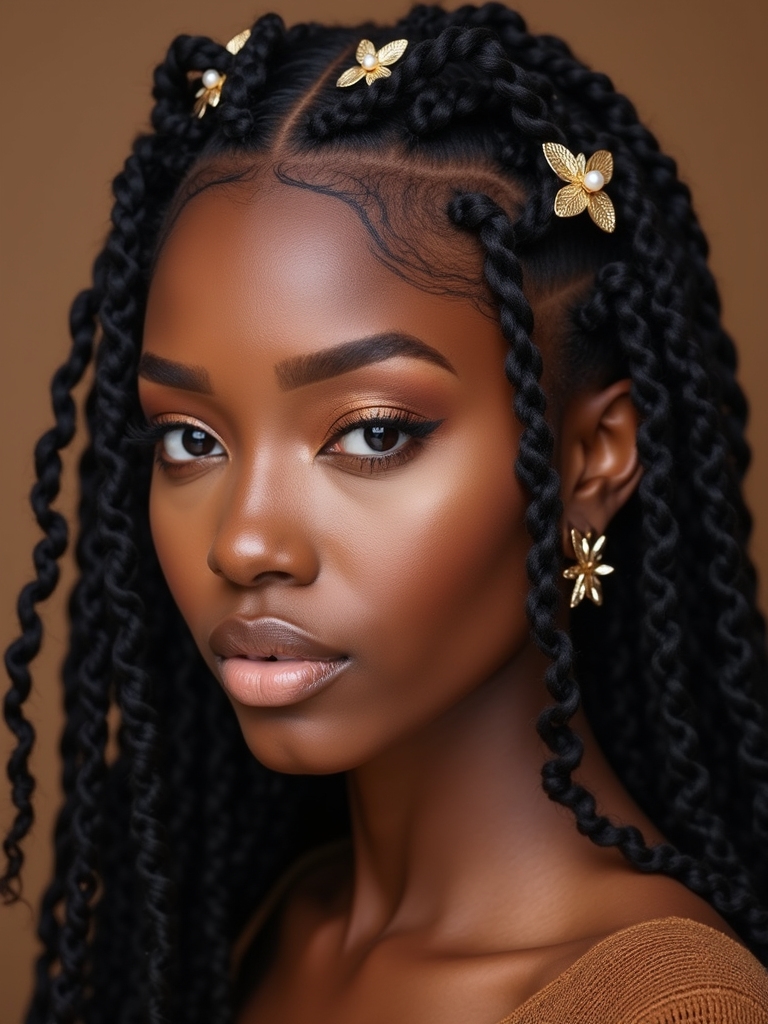
A single set of butterfly locs is really several hairstyles waiting to happen, which is part of what makes the cost worthwhile. The same install carries you through buns, half-ups, and loose styles without any extra product.
Easy Updos to Try
For day-to-day, a high bun keeps the locs off your neck and shows off the texture. A half-up version keeps length swinging at the back while pulling the front off your face.
When I want a set to feel new again around week four, I switch from down-and-loose to a sculpted updo. It buys the style another fresh week without a salon visit.
Cultural Expression and Respect
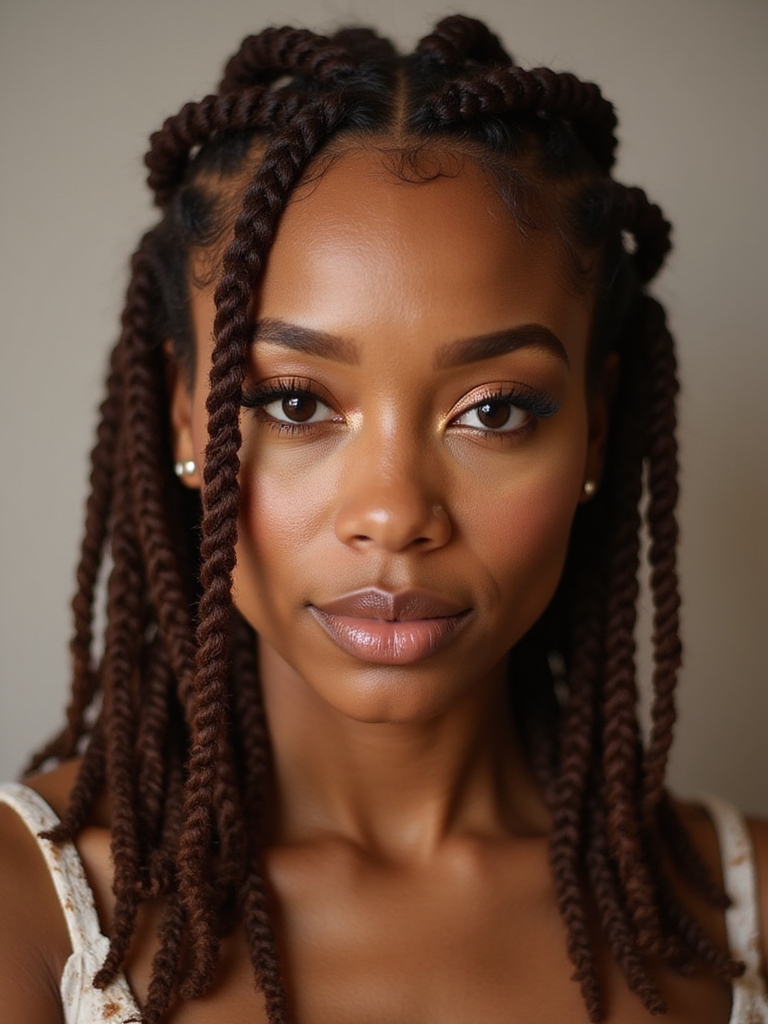
Butterfly locs sit within a deep tradition of Black hairstyling, and wearing them with awareness of that history matters. For many, locs and faux locs are a form of cultural expression and pride, not just a trend to borrow.
Whoever you are, the respectful approach is the same: learn the terminology, seek out stylists who specialize in textured hair, and treat the style as the skilled craft it is.
- Use the proper names: faux locs, butterfly locs, the crochet method.
- Book a stylist who truly specializes in textured and protective styles.
- Care for the style properly, which honors the work behind it.
Wrap, Moisturize, Protect at Night
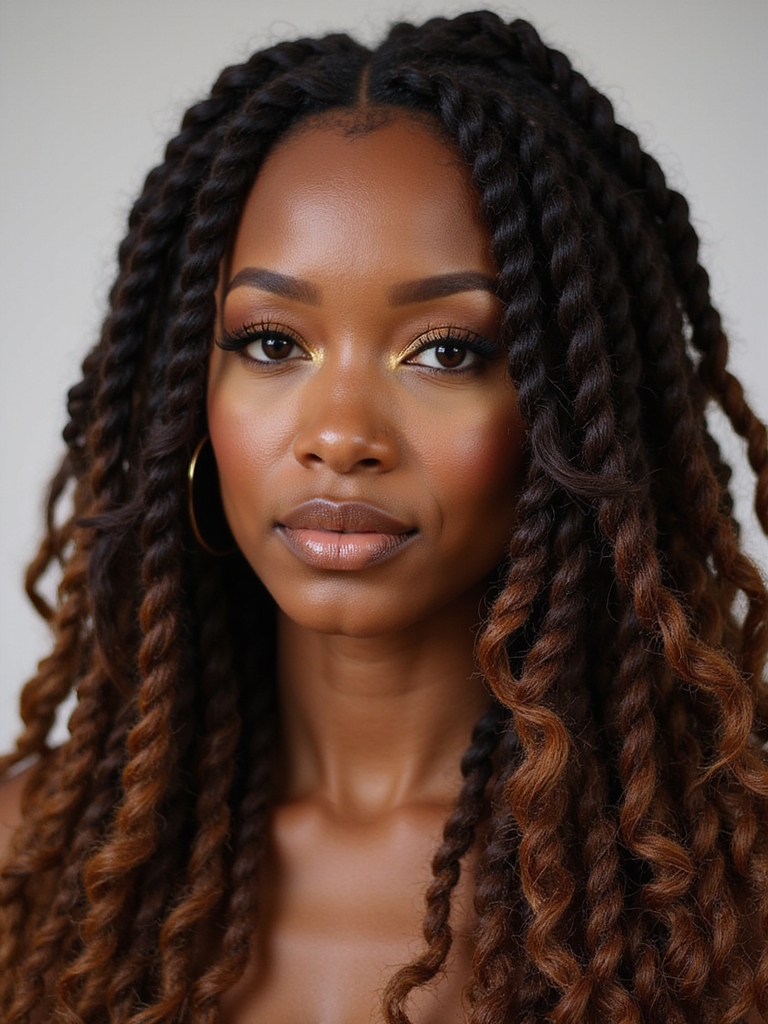
Your night routine is what keeps a set looking crisp, and it costs you barely a minute before bed. Friction from cotton pillowcases is what frizzes the loops and dries out the hair while you sleep.
The One-Minute Wrap
The fix is simple. Tie the locs up loosely and cover them with a satin scarf or bonnet, or sleep on a satin pillowcase if a scarf slides off.
Add a quick mist of light oil to your scalp before bed a couple of nights a week. That small habit keeps the skin underneath comfortable through the whole install.
Locs in Any Weather
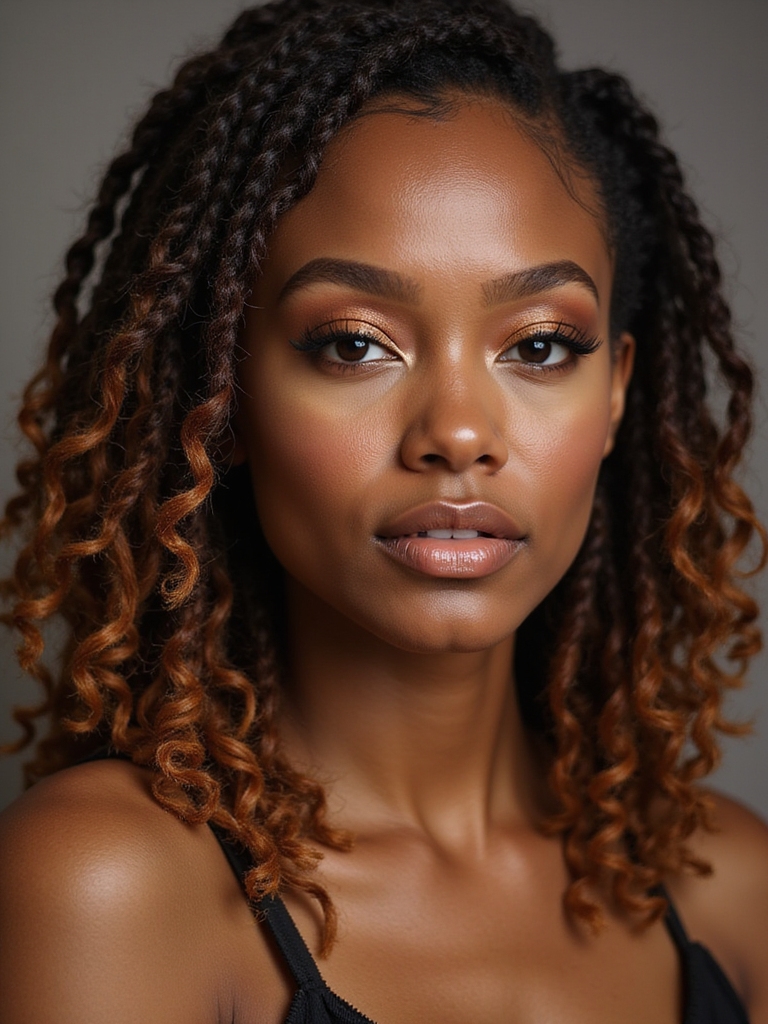
Weather is the natural enemy of a crisp set of butterfly locs, and humidity in particular will fluff the loops fast. The good news is that frizz suits this style more than most, so you have some forgiveness built in.
Beating Humidity
In heavy humidity, a light anti-frizz mist and a loose updo keep things tidy. After rain, let the locs air-dry fully before you tie them up, since damp locs trapped against the scalp can start to smell.
In strong sun, the same UV that fades your skin will dull colored extension hair, so a hat on long beach days keeps a bright set looking new.
Celebrity Inspiration
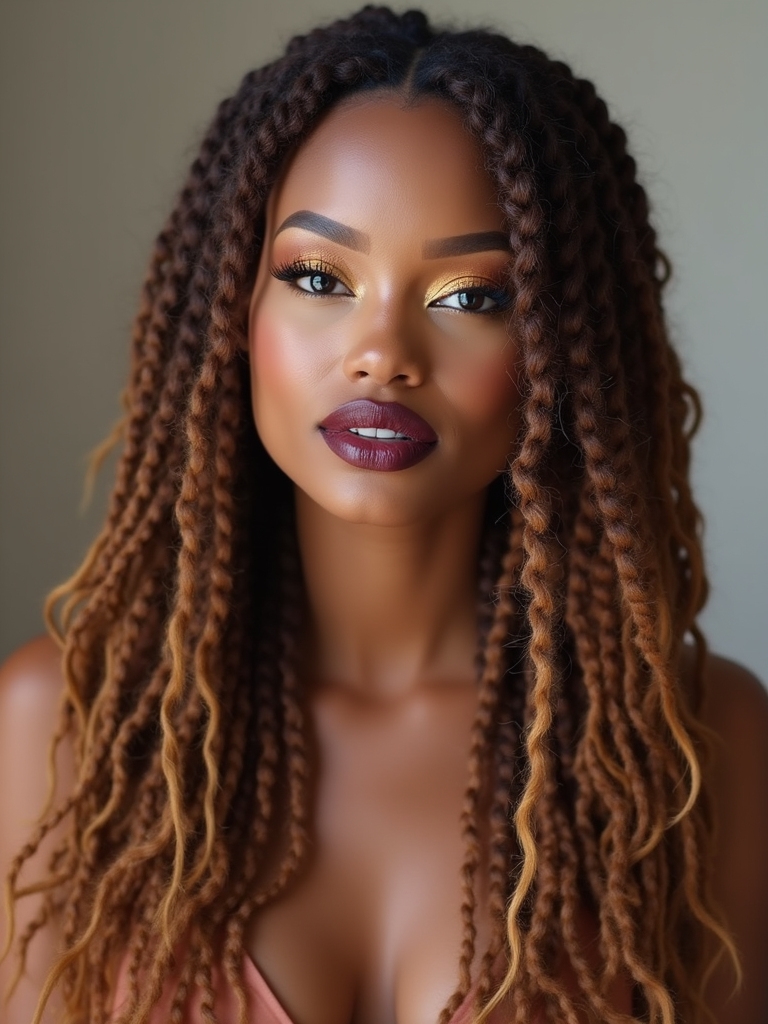
Butterfly locs have had a long run on red carpets and music stages, which is a big part of how they went mainstream. Bringing a reference photo to your appointment is the fastest way to communicate the length and loop density you want.
- Save photos that show the length and thickness you are after.
- Note the loop density; some looks are wild and frizzy, others sleek.
- Show your stylist the color, since extension hair comes in dozens of tones.
The Real Benefits
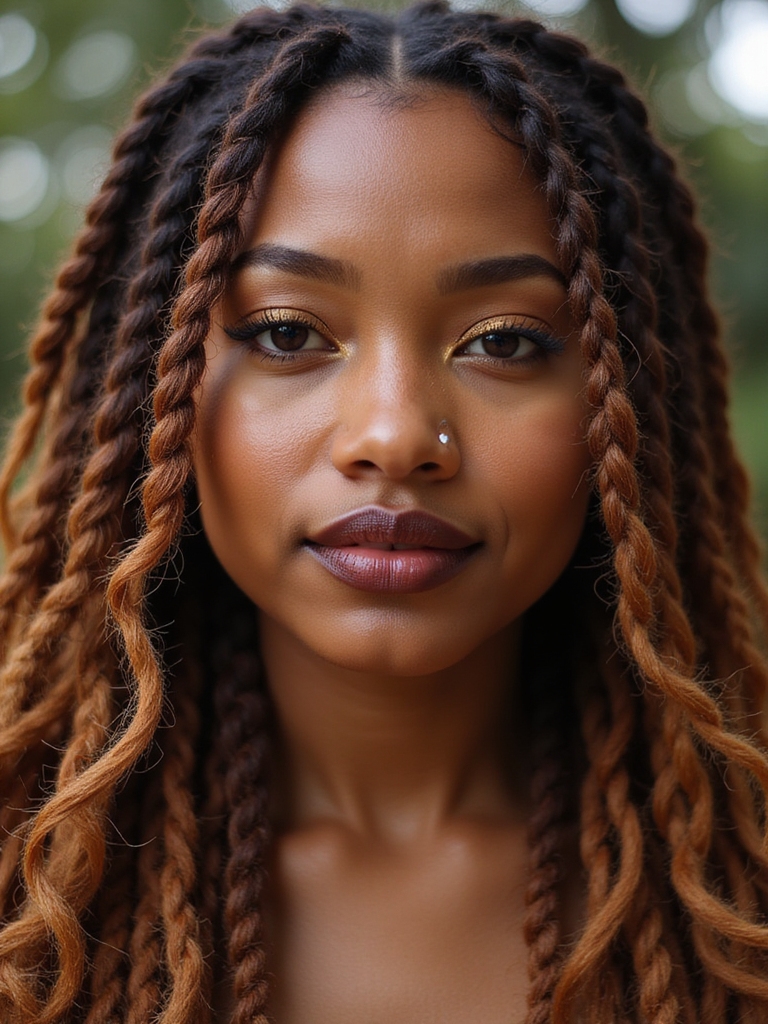
A lot gets claimed about protective styles, so it helps to separate the real benefits from the wishful thinking. The honest wins are clear: less daily manipulation, less heat, and a break from constant styling for your natural hair.
Those are meaningful. When your hair is tucked away and left alone, it escapes the daily pulling, brushing, and heat that wear it down over time.
Butterfly locs are no magic fix, though. They protect only if installed gently and cared for, and a too-tight, neglected set does more harm than good.
Do Butterfly Locs Help Hair Grow?
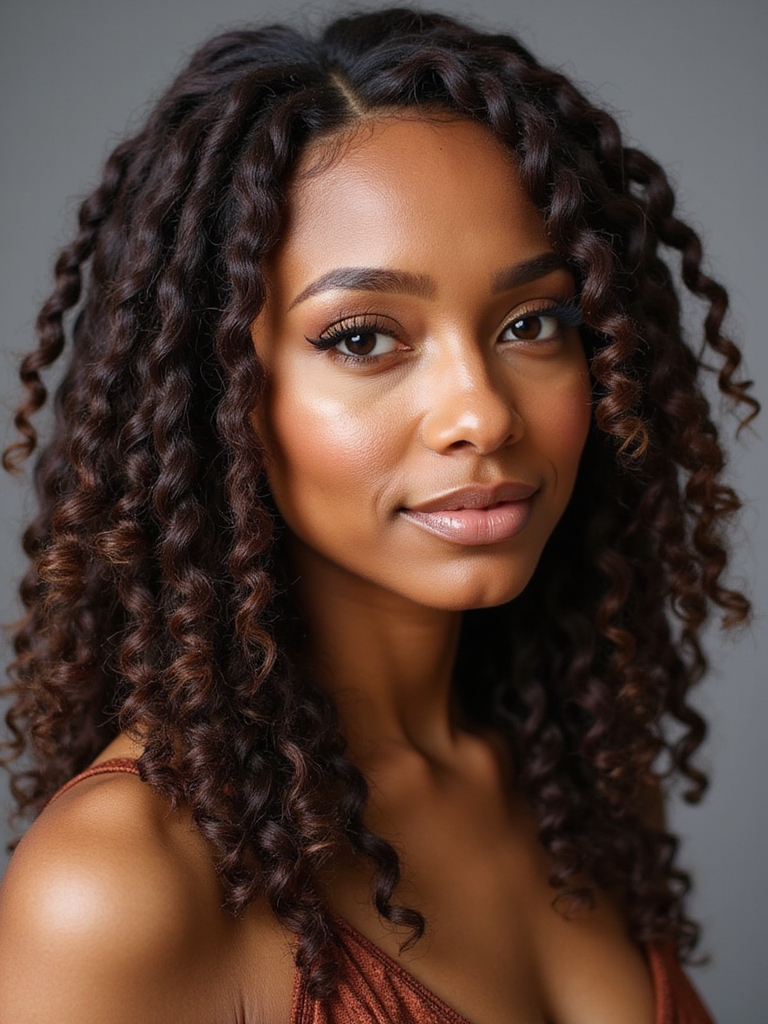
This is the question clients ask me most, and the honest answer needs a little nuance. Butterfly locs do not make your hair grow faster; nothing worn on the outside changes the rate hair grows from the scalp.
What they can do is help you keep the length you grow. By reducing breakage from daily handling and heat, a protective style lets more of your natural growth stay on your head and reach real length.
So the benefit is retention, not speed. Treat that as the goal, keep the install gentle, and you give your hair a real chance to hold onto its length.
A Low-Maintenance Choice
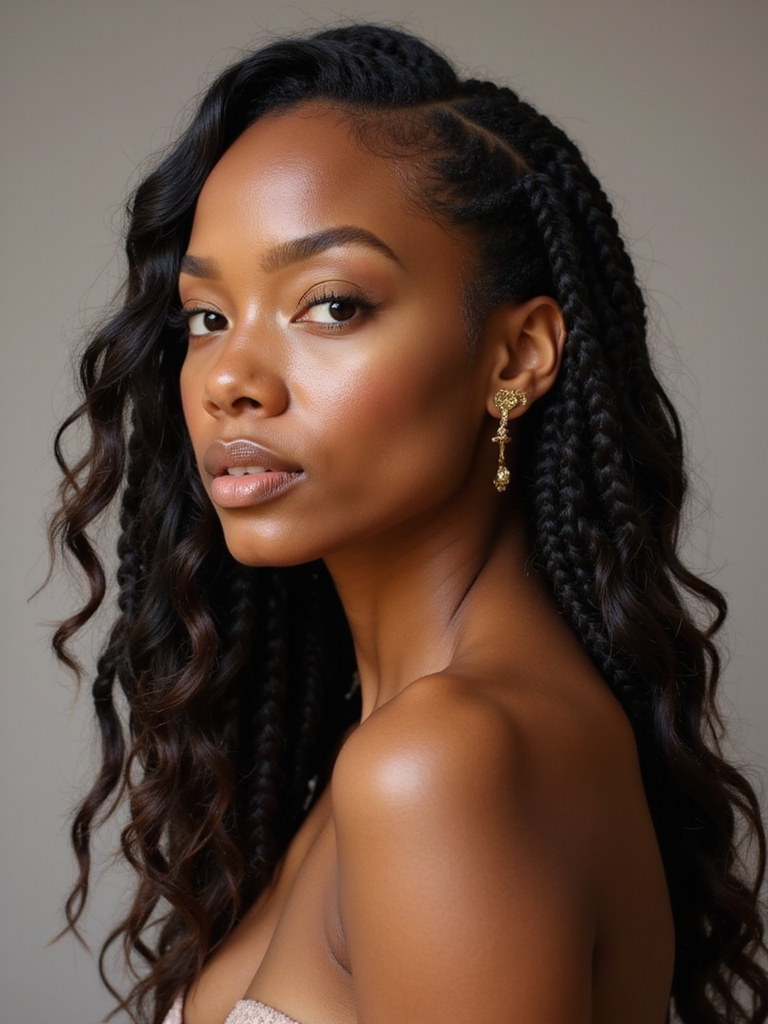
For anyone tired of fussing with their hair every morning, butterfly locs are a genuine time-saver across their six-to-eight-week run. The install is the big time investment; after that, mornings get short.
The Morning Time You Get Back
Instead of detangling, moisturizing, and styling from scratch each day, you tie up, wrap at night, and go. For busy stretches, that simplicity is the entire reason people book them.
Just remember that low-maintenance still means some maintenance. The weekly wash and the night wrap are the small price for all those easy mornings.
Where Butterfly Locs Are Headed
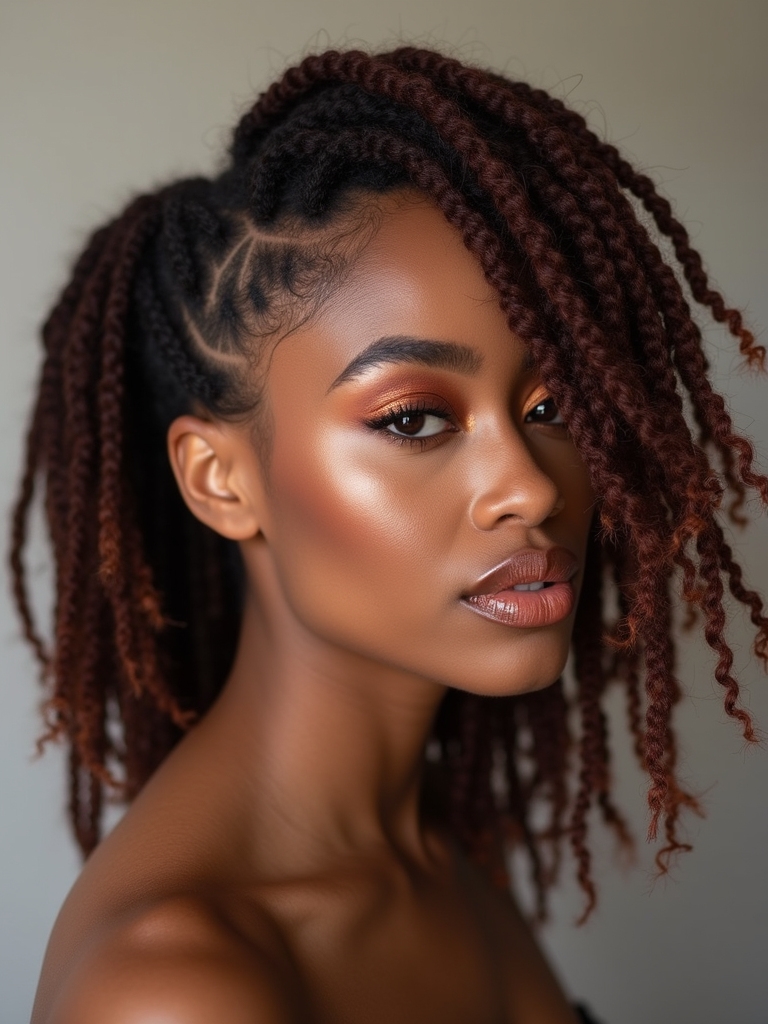
Butterfly locs keep evolving as stylists experiment with new textures, hair types, and color blends. The core looped look is here to stay, but the variations keep multiplying season after season.
- More natural-looking extension hair for a softer, real-hair finish.
- Mixed-length and mixed-texture sets for a custom, layered effect.
- Bolder color blends as people use the style to experiment with shade.
How to Ask Your Stylist for Butterfly Locs
Walk in with the specifics decided so your stylist can quote you accurately. Tell them the length, the thickness, and how much loop texture you want, and bring two or three reference photos that show the exact look. Ask up front how many packs of water wave hair they will need and roughly how long the appointment will run, since a full set can mean 3 to 6 hours in the chair.
Most importantly, speak up about tension. Tell your stylist you want the install snug but never painful, and say something the moment a section feels too tight at the root. A good textured-hair specialist will expect that conversation. If you are new to this family of styles, looking through other protective hairstyles and goddess locs first helps you walk in knowing exactly what you want.
Butterfly Locs Questions People Ask
?How long do butterfly locs last?
Most sets look their best for 6 to 8 weeks. Past that, your new growth starts tangling into the locs, which makes takedown harder on your hair, so plan to remove them before then.
?How much hair do I need to buy?
A full head usually takes six to eight packs of water wave hair, more for longer or thicker locs. Buy an extra pack so you do not run out partway through the install.
?Do butterfly locs damage your hair?
Not on their own. Damage comes from installing them too tight, leaving them in too long, or neglecting the scalp. Kept gentle and clean, they are a sound protective style.
?Can I wash my hair with butterfly locs in?
Yes, and you should. Cleanse the scalp every week or two with diluted shampoo in an applicator bottle, then let the locs air-dry fully so moisture does not get trapped underneath.
Wearing Butterfly Locs Well
Butterfly locs give you a light, bohemian, protective style that bends to almost any length, color, and mood, all without committing to permanent locs. The look is forgiving and the upkeep is gentle, which is exactly why they have stayed so popular.
If you have been thinking about a set, find a stylist who specializes in textured hair, be clear about length and tension, and protect your scalp and edges while they are in. Do that, and you get the style now and your healthy hair back at the end.
Keep Reading