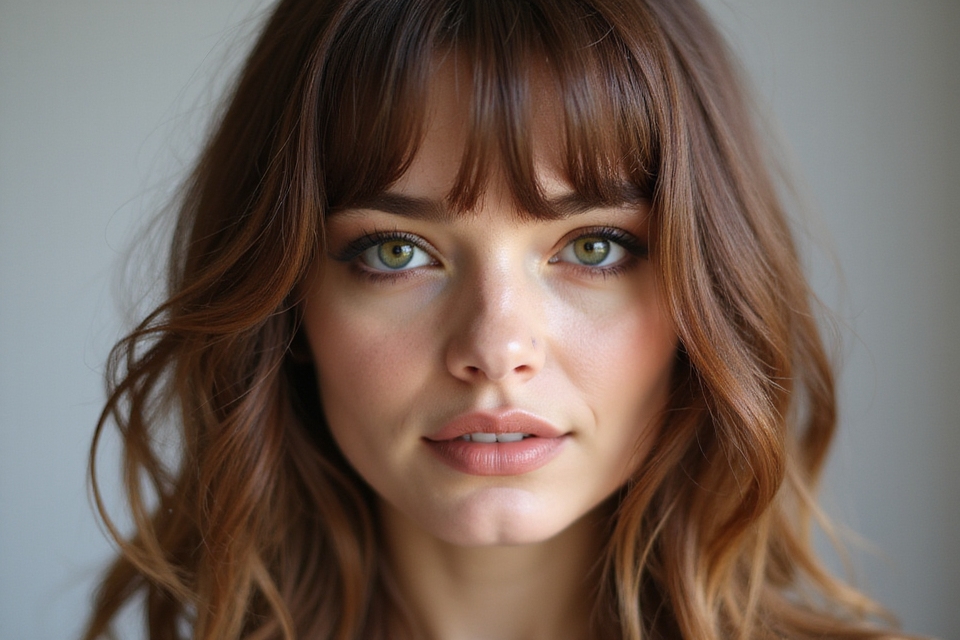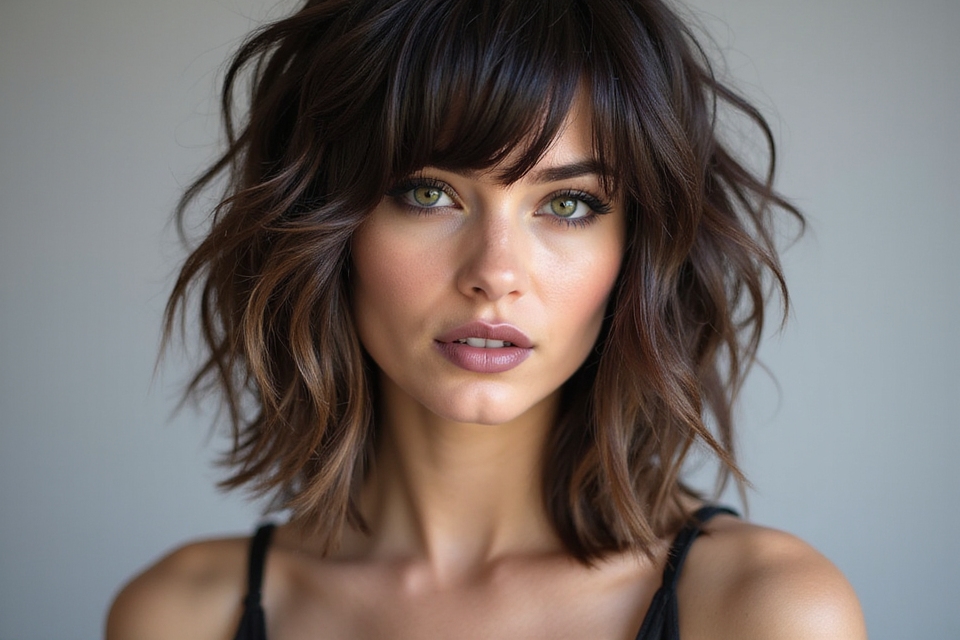
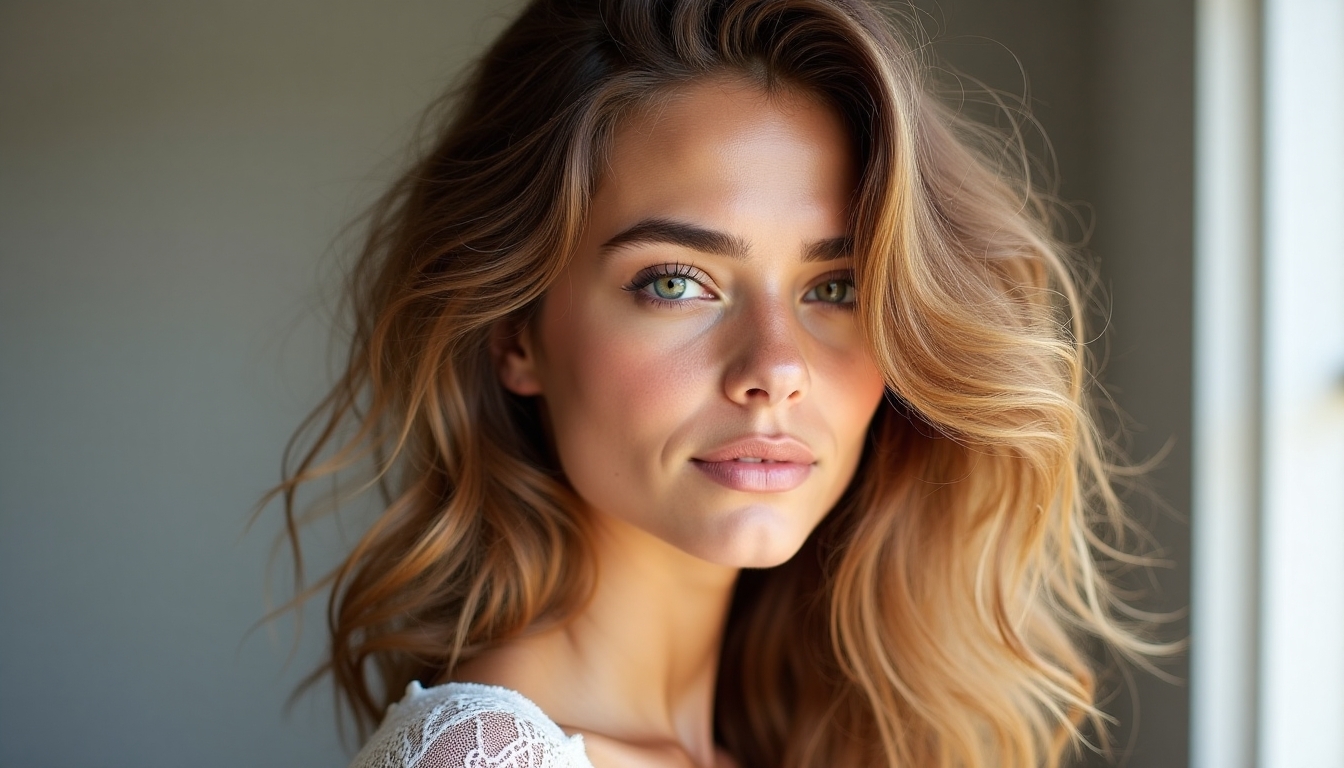
Why does the wolf cut look made for wavy hair? Because its whole personality is texture, and waves bring that to the cut without a single hot tool. The shape, a shaggy, choppy mix of a 70s shag and a soft modern mullet, was built for movement, and wavy hair moves on its own.
If you are thinking about taking the plunge, this is the full picture: how the cut works, how to style and keep it, which face shapes and lengths it flatters, and the color and bang options that take it further. I will also flag the mistakes that turn a cool wolf cut into a frazzled one, so you walk into the salon knowing exactly what to ask for.
The Wolf Cut at a Glance
| The element | What it means | Why it works on waves |
|---|---|---|
| The cut | Shaggy layers, heavy face-framing, soft mullet shape | Builds volume and movement into the wave |
| The upkeep | Trim every 6-8 weeks, texturize daily | Choppy layers blunt as they grow and need reshaping |
| Best for | Wavy and curly hair; oval, heart, round faces | Texture makes the choppy layers come alive |
A Rebellious Shag-Mullet Hybrid
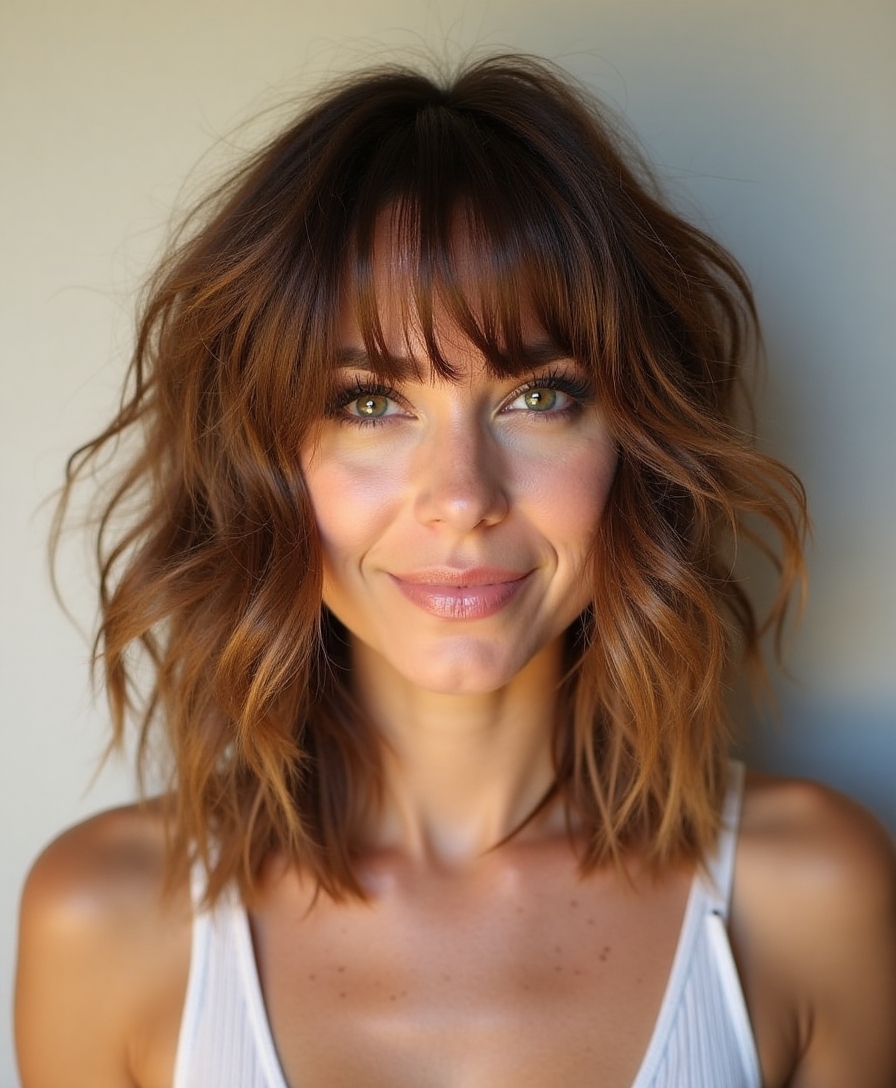
The wolf cut has a split personality. It blends a 70s shag and a soft mullet into one rebellious shape. Heavy layers up top fall into longer, choppy lengths below, so the hair looks deliberately undone.
Shag Up Top, Mullet Below
On wavy hair, those layers are the whole point. They give the waves somewhere to spring and stack, building texture and volume that a one-length cut never could.
It looks raw and edgy without trying, which is why it took over from the blunt lob. Waves are the canvas it was built for, the cousin of a classic shag haircut with more attitude.

Wild Layered Texture
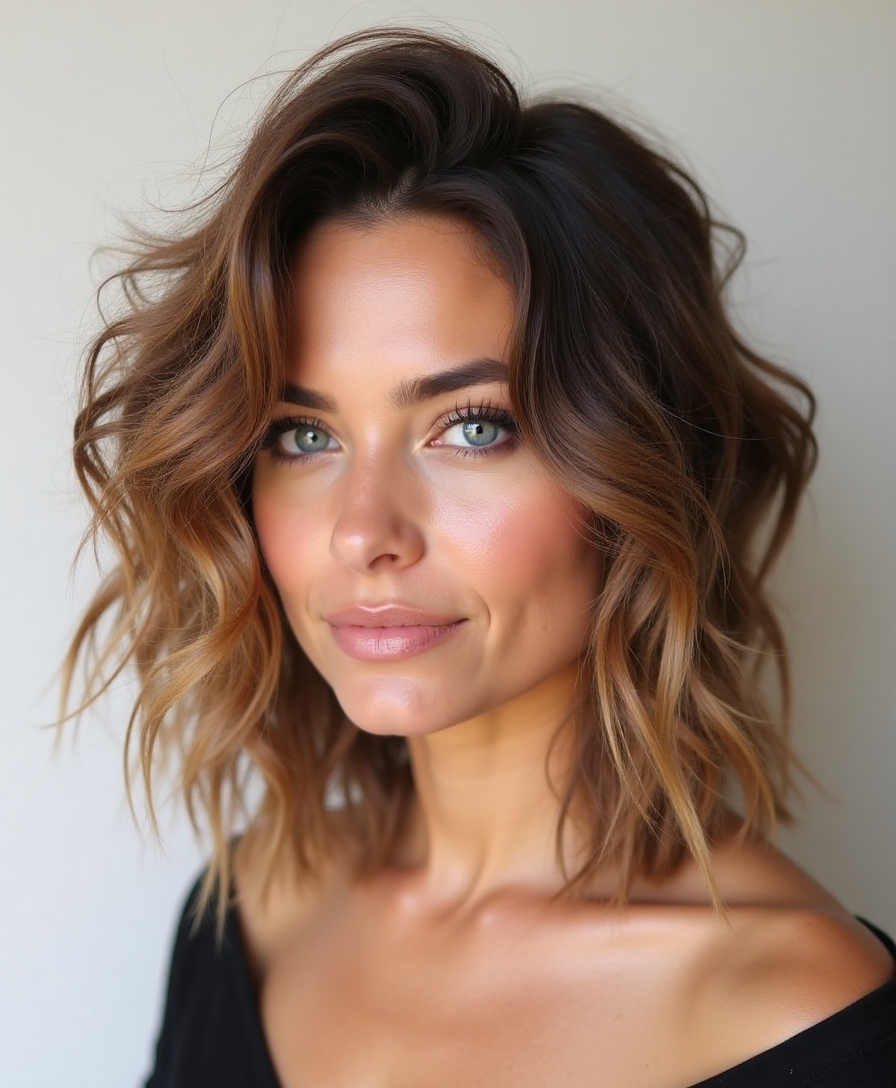
The reason the wolf cut suits wavy hair so well comes down to its choppy, dynamic layers. They add volume and life exactly where wavy hair tends to go flat, around the crown and through the lengths.
Each layer moves a little differently, which turns a head of waves into a head of personality. The cut works with your natural texture. It never asks you to fight it.
- Choppy ends give waves room to bounce and stack
- Crown layers add the lift wavy hair often lacks
- The shape flatters wavy and curly textures alike
Heads-Up
The wolf cut is a real commitment to texture, so go in clear-eyed. It is hard to reverse quickly, since growing out heavy layers takes months, and it needs daily styling to look intentional rather than messy. If your hair is very fine, ask your stylist for fewer, softer layers so it does not read sparse. And if you love a smooth, sleek finish, know that this cut fights it; the wolf cut wants to be textured, not polished.
Styling Your Wolf Cut
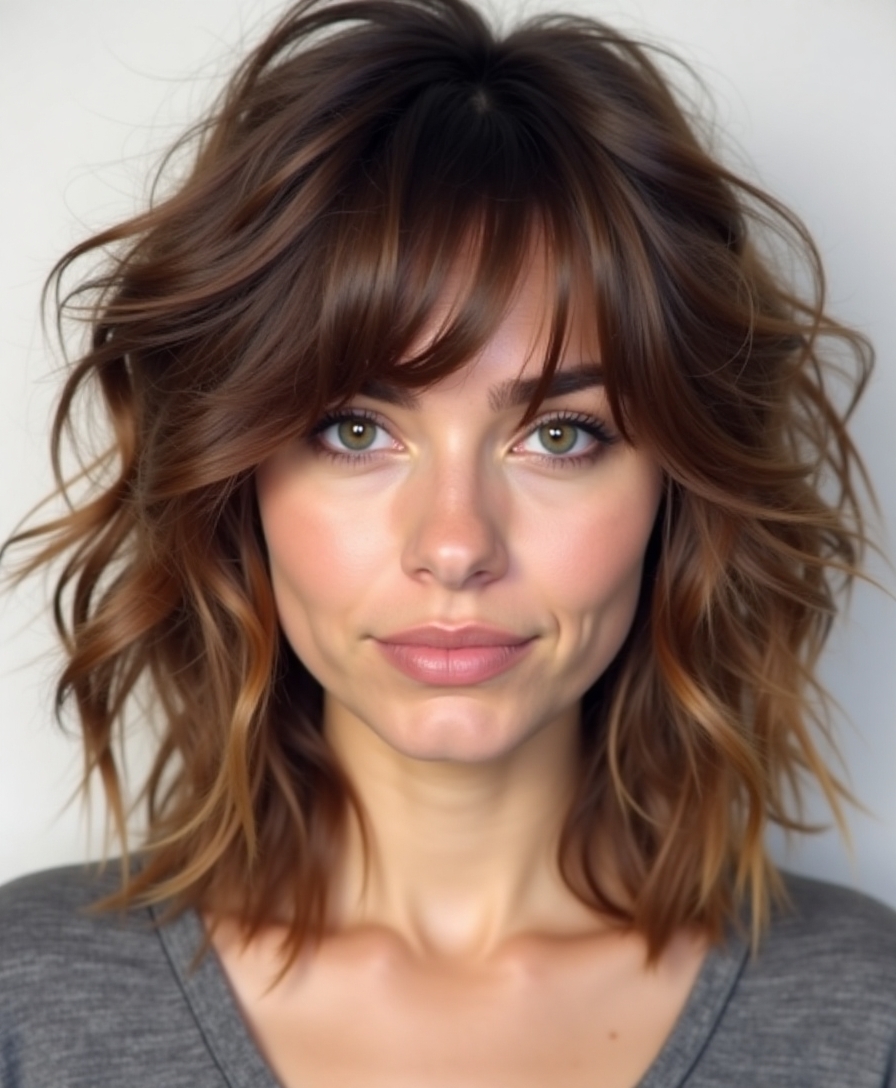
Styling a wolf cut is gloriously low-effort, which is half its appeal. On damp hair, work a texturizing spray through the lengths and scrunch upward to wake the layers.
A diffuser is your best friend here, drying the waves so they stay full, not flat or frizzy. Hold sections up toward the scalp as you dry to build volume at the root.
Finish by teasing a few pieces apart with your fingers for that purposely-messy edge. The look is meant to be a little wild, so let it stay a little untamed.
Choosing the Right Length
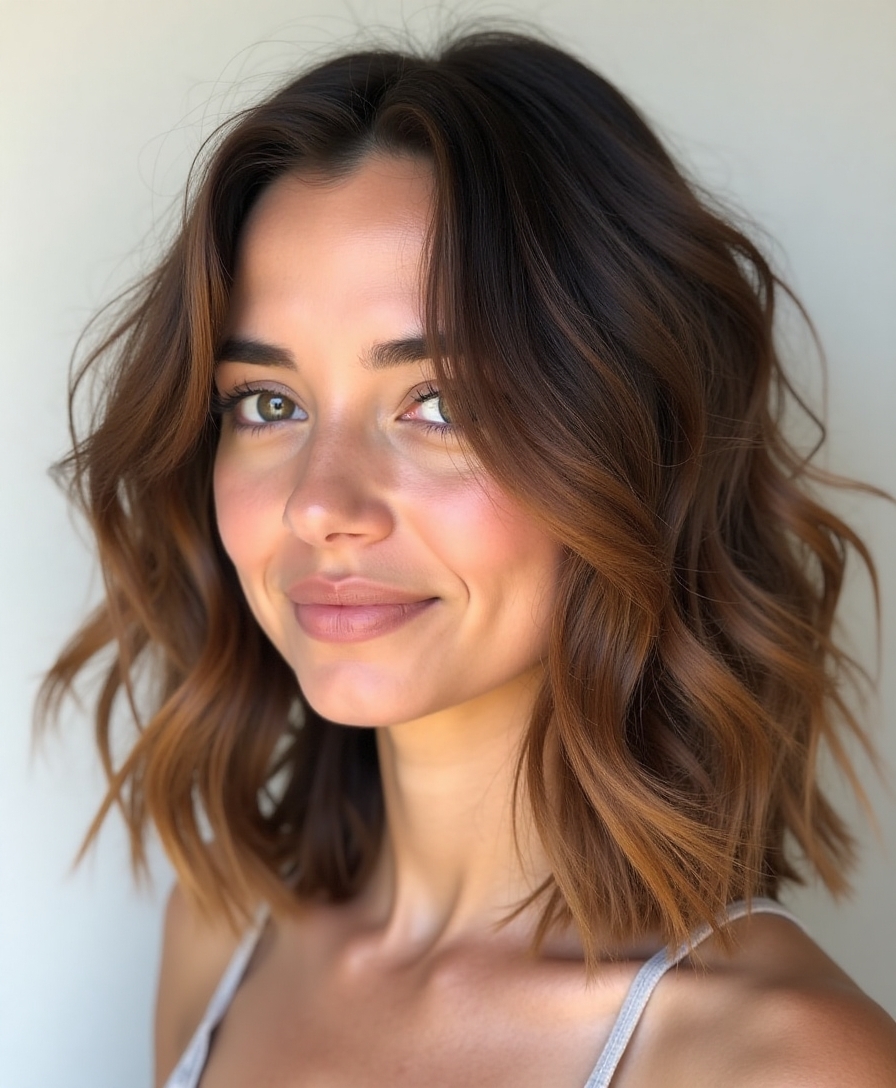
The wolf cut works short or long, and the right length comes down to your hair’s natural behavior and how bold you want to go. Watch how your waves move before you commit. A few guidelines:
- Shorter wolf cuts look edgier and amplify volume on fine or flat hair
- Longer versions keep more weight and suit thick or fast-growing hair
- If your waves spring up, go a touch longer to account for shrinkage
- If they curve down softly, a shorter shape adds the lift they lack
| The vibe | Reach for | How |
|---|---|---|
| Undone and beachy | Sea salt spray + diffuser | Scrunch damp hair, diffuse on low, separate with fingers |
| Full and voluminous | Mousse + round brush | Blast roots upside down, tease the crown, set with texture spray |
| Defined and piecey | Wave cream + light wax | Smooth cream through, pinch a few pieces with wax to separate |
Maintenance Routine
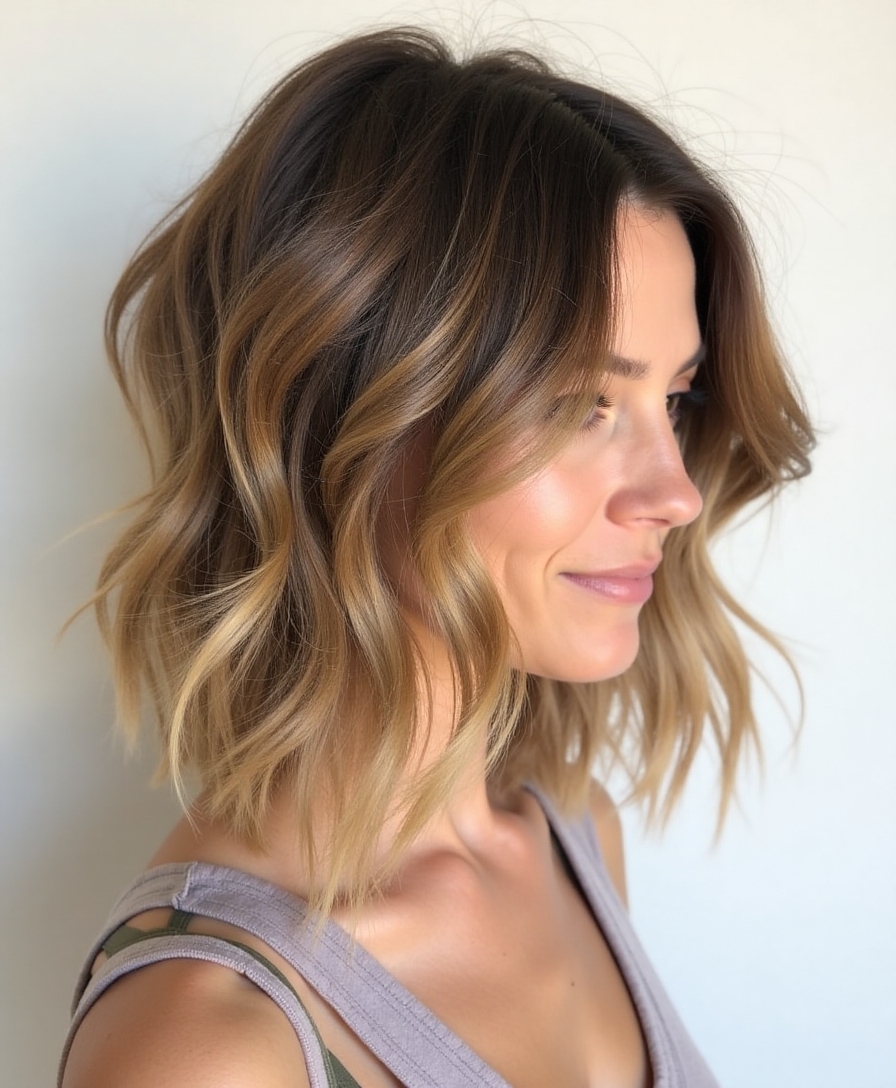
A wolf cut looks its best when the layers stay sharp, so upkeep matters more than with a blunt cut. The choppy ends soften as they grow, which blurs the whole shape.
Trim Every Six to Eight Weeks
I tell clients to rebook a trim at the six-to-eight-week mark so the layers stay crisp, and to lean on texturizing products between visits. Deep conditioning weekly keeps the ends from frazzling.
The good news is that a wolf cut grows out gracefully into a soft shag, so a missed trim is no disaster. Hydration is the one thing you cannot skip, since dry layers look stringy instead of textured.
Wave-Enhancing Styling Essentials

The right products turn a wolf cut from flat to full, and you only need a few. These are the ones that make wavy layers behave. The short list:
- A sea salt spray for beachy grip and piecey separation
- A wave or curl cream to define the layers without crunch
- A diffuser attachment to dry waves full rather than frizzy
- A light texture spray to refresh the shape on second-day hair
How much daily effort do you want?
🎯As little as possible
Keep the cut longer with softer layers, lean on a wash-and-go with curl cream and a diffuser. Scrunch and go; the shaggy grow-out is forgiving.
🎯I will style it daily
Go shorter and choppier for maximum edge. Plan on texturizing spray, a diffuser, and a quick root tease most mornings to keep the volume sharp.
Wolf Cut by Face Shape
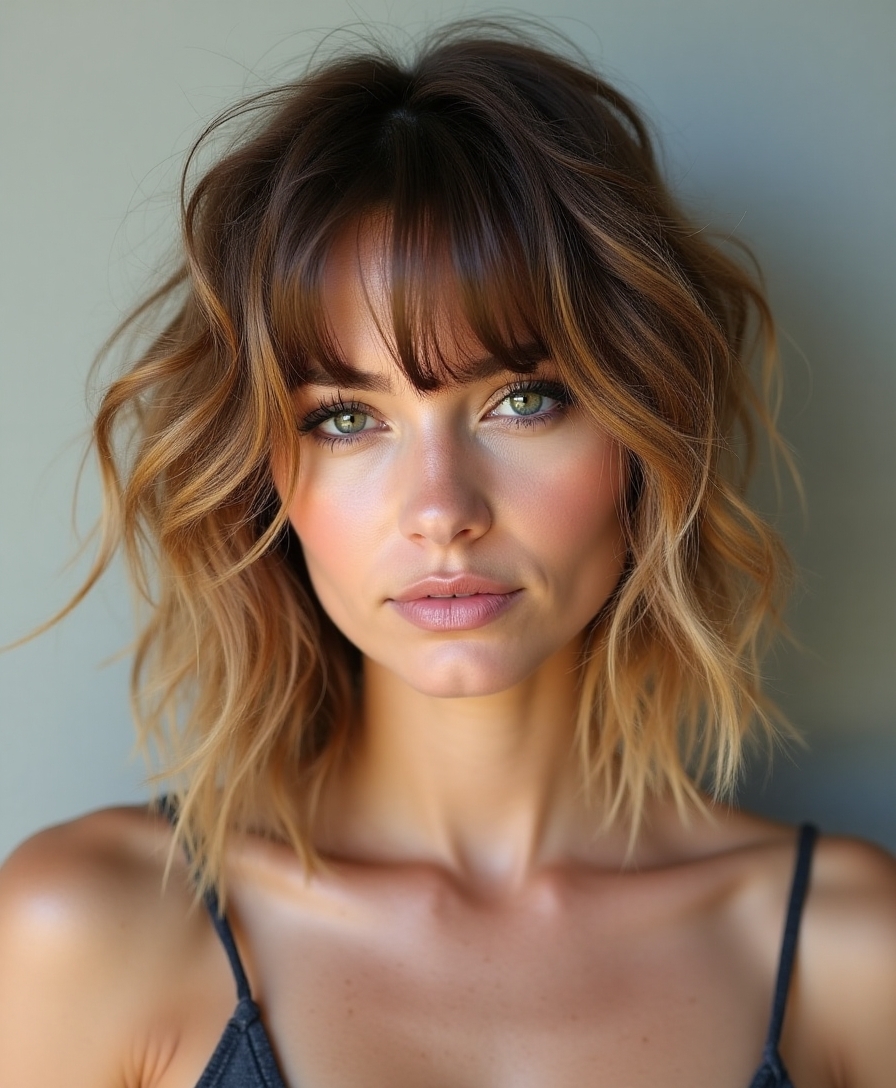
The wolf cut flatters most faces, but where the layers and face-framing sit changes how it suits you. The cut can lengthen, soften, or balance depending on placement.
Face-Framing Is the Key Piece
Heart-shaped faces love a voluminous top to balance a narrow chin, while round faces suit longer layers that elongate. Square faces soften with textured, wispy ends, and oval faces carry almost any version.
The face-framing pieces are the part to get right, so talk them through at your consultation. Give your stylist your face shape and ask them to set the shortest layers where they flatter you most.
Adding Bangs to a Wolf Cut
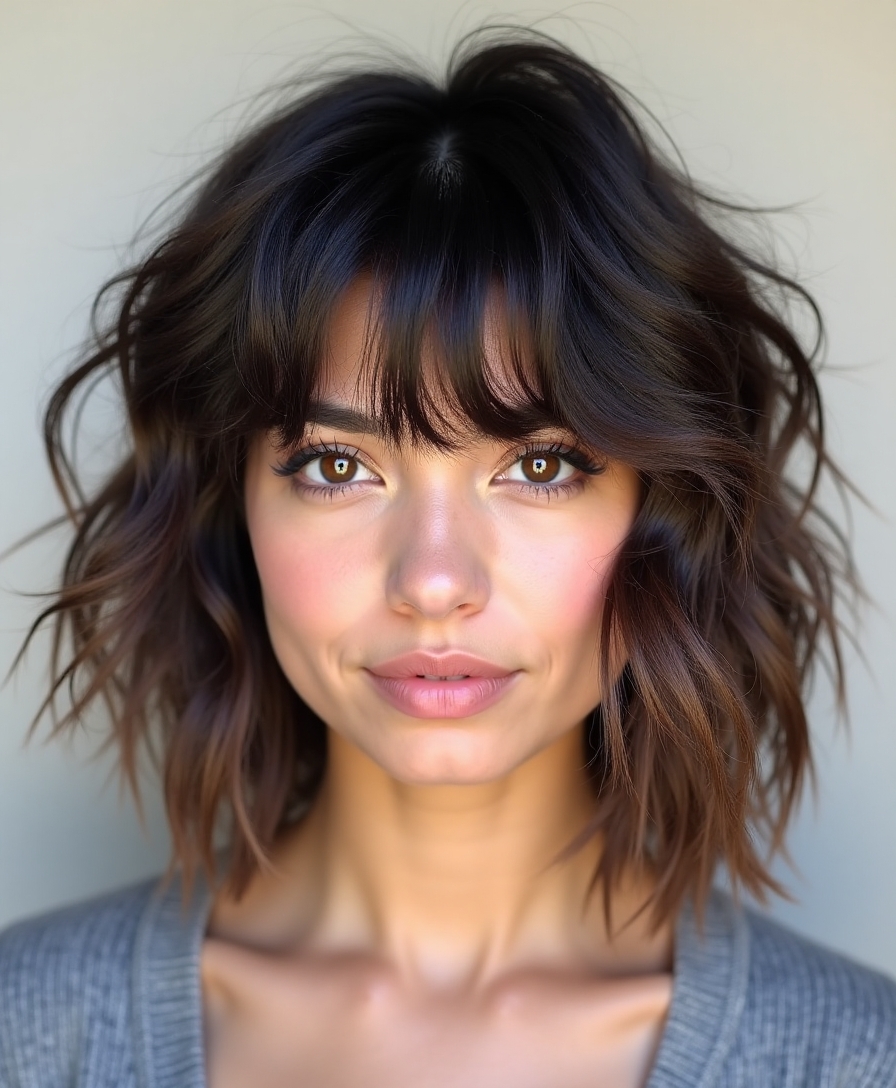
Bangs and the wolf cut are a natural pair, since both are built on texture and movement. The fringe you choose sets the whole mood of the cut.
Curtain or Blunt
Curtain bangs are the most popular partner, softening the layers and framing the face with that laid-back, parted sweep. For something bolder, blunt bangs add a sharp, rock-and-roll contrast against the shaggy lengths.
Either way, the bangs add a dynamic layer of movement up front. If you are unsure, start with curtain bangs, which grow out easily and suit almost every face.
📋Before Your Consultation
- ✓Know your face shape and where you want face-framing to fall
- ✓Note how your waves behave: spring up, or curve down
- ✓Bring two reference photos and an honest read on your daily routine
Vivid Color Ideas
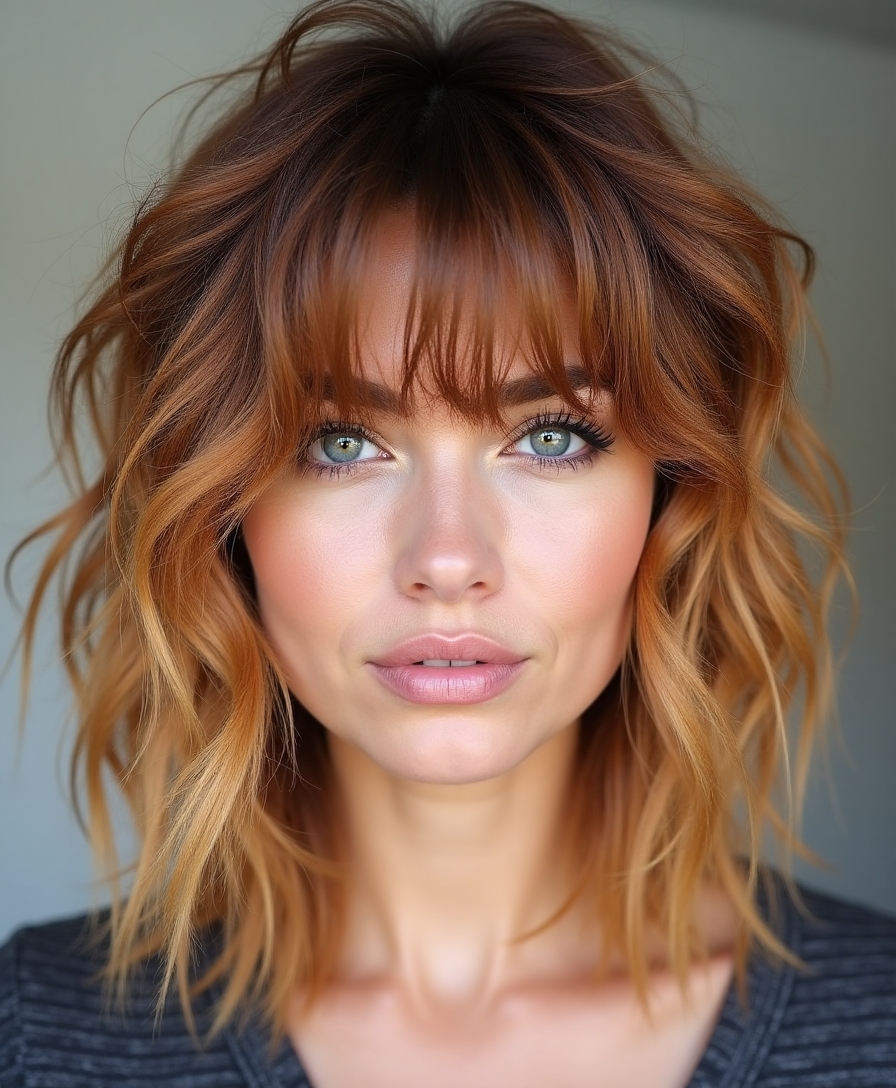
Color takes a wolf cut from trendy to head-turning, because the layers catch and break up the shade in interesting ways. The choppy texture is a perfect canvas for dimension. A few directions:
- Electric or jewel-toned highlights for a bold, adventurous statement
- A sunset ombre melting gold into orange and pink for a warm glow
- Soft pastel lilac or rose for a dreamy, low-key twist
- A money-piece around the face to brighten the heaviest layers
Embracing the Layered Wolf Cut
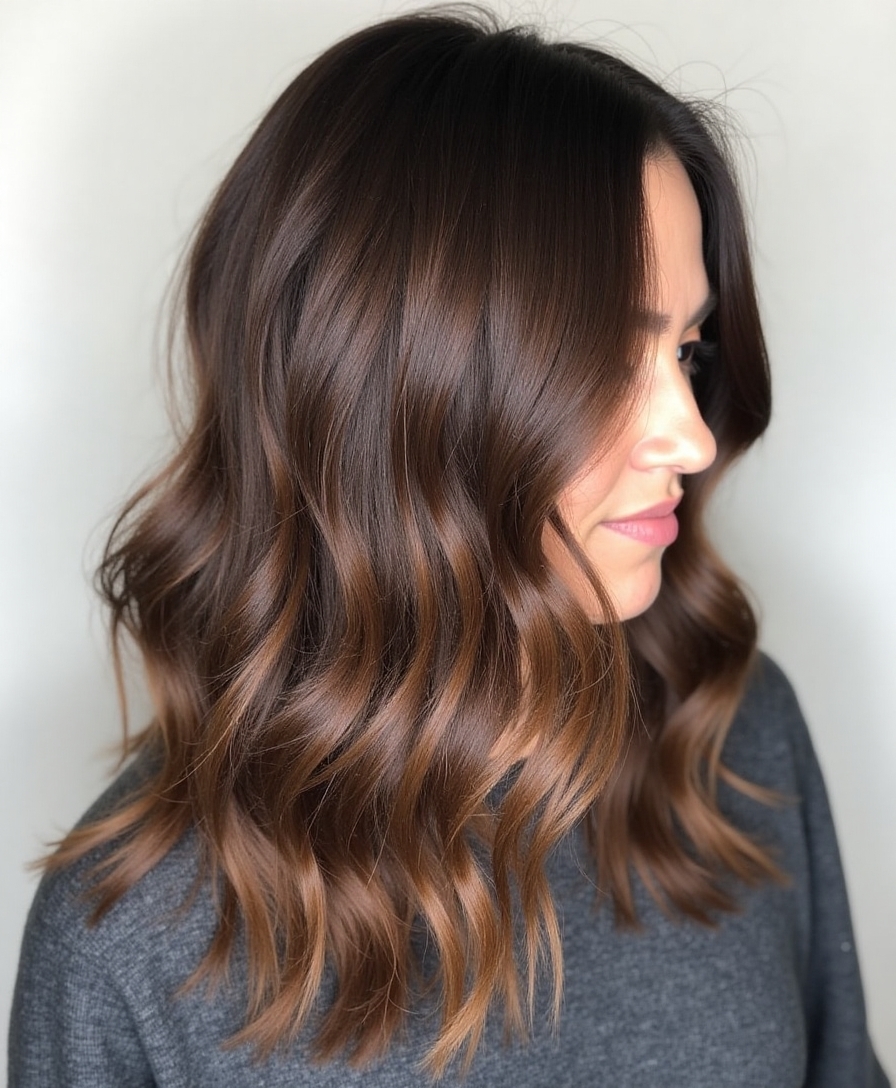
Moving into a wolf cut from a longer, one-length style is a real shift, so go in ready for the layers. The cut lives on length variation, some pieces short, some long, which can feel dramatic at first.
Stock up on the styling basics before your appointment: a texturizing spray, a light wax for piece-y definition, and a plan for regular trims. Those keep the shape looking intentional as it settles.
Give yourself a week or two to learn how the new layers fall. Once you find your scrunch-and-go rhythm, a wolf cut is one of the easiest textured styles to live with.
The Wolf Cut Among Trendsetters
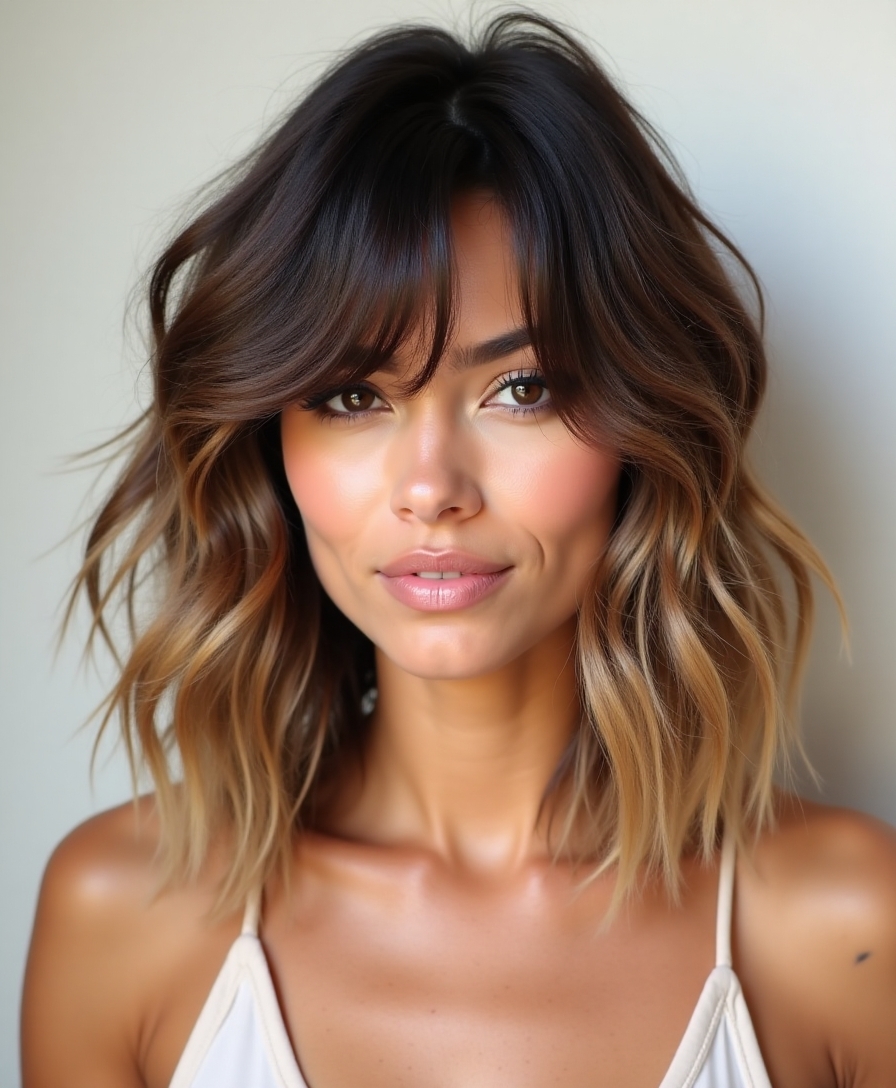
The wolf cut went mainstream because trendsetters, musicians, and red-carpet regulars kept wearing it, blending boldness with a cool, undone ease. Its appeal is broad. Why it caught on:
- It looks edgy and individual without much daily effort
- It suits the undone, anti-perfection mood in beauty right now
- It works across hair types, from fine waves to thick curls
- It photographs with movement, which made it spread fast online
A DIY Wolf Cut Guide

Plenty of people cut their own wolf cut at home, and with the right prep it is doable, though a pro gets cleaner layers. If you want to try it, set yourself up properly. The essentials:
- Use sharp hair-cutting shears, never kitchen scissors, for clean ends
- Work on dry hair so you can see how your waves fall as you cut
- Section the hair and cut the face-framing first, then the lower layers
- Cut conservatively; you can always take more off, but you cannot put it back
Choosing a Stylist
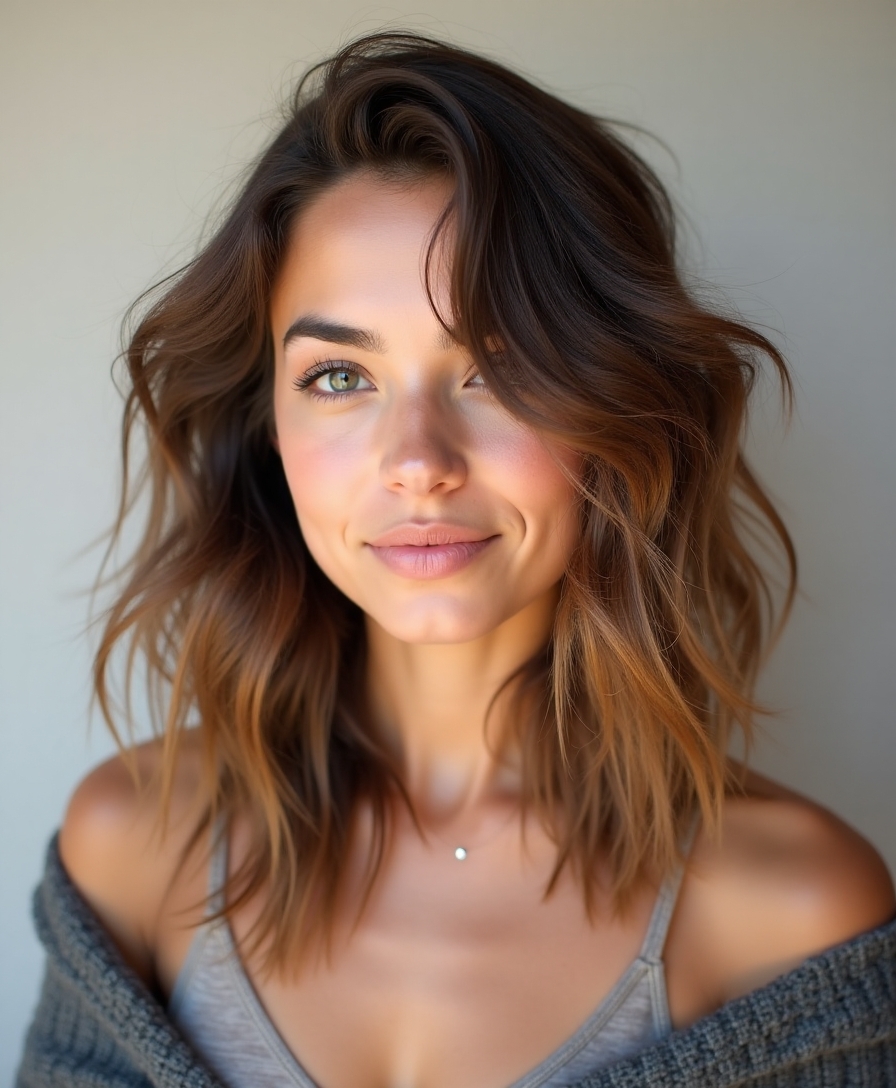
If you would rather leave it to a pro, choosing the right stylist makes all the difference with a cut this specific. Not every stylist cuts a strong wolf shape, and I steer clients away from anyone whose portfolio is all blunt bobs.
Check their social media for past wolf cuts and shags, especially on wavy or curly hair like yours. A portfolio tells you more than any price list.
Book a consultation first so you can describe your vision and gauge whether they get it. Read a few reviews from clients who wanted a similar textured cut, and you will walk in confident.
Seasonal Styling

One charm of the wolf cut is how it shifts with the seasons, leaning wilder in summer and sharper in winter. The texture adapts with small product swaps.
Swap Products by the Forecast
Spring and summer humidity can turn the waves extra wild, so an anti-frizz serum keeps them defined rather than puffy. Damp, rainy days are the same fix.
As the air turns crisp, a little mousse or light pomade keeps the layers looking sharp and intentional. The cut handles weather well; you just adjust the product to the forecast.
Accessorizing Your Wolf Cut
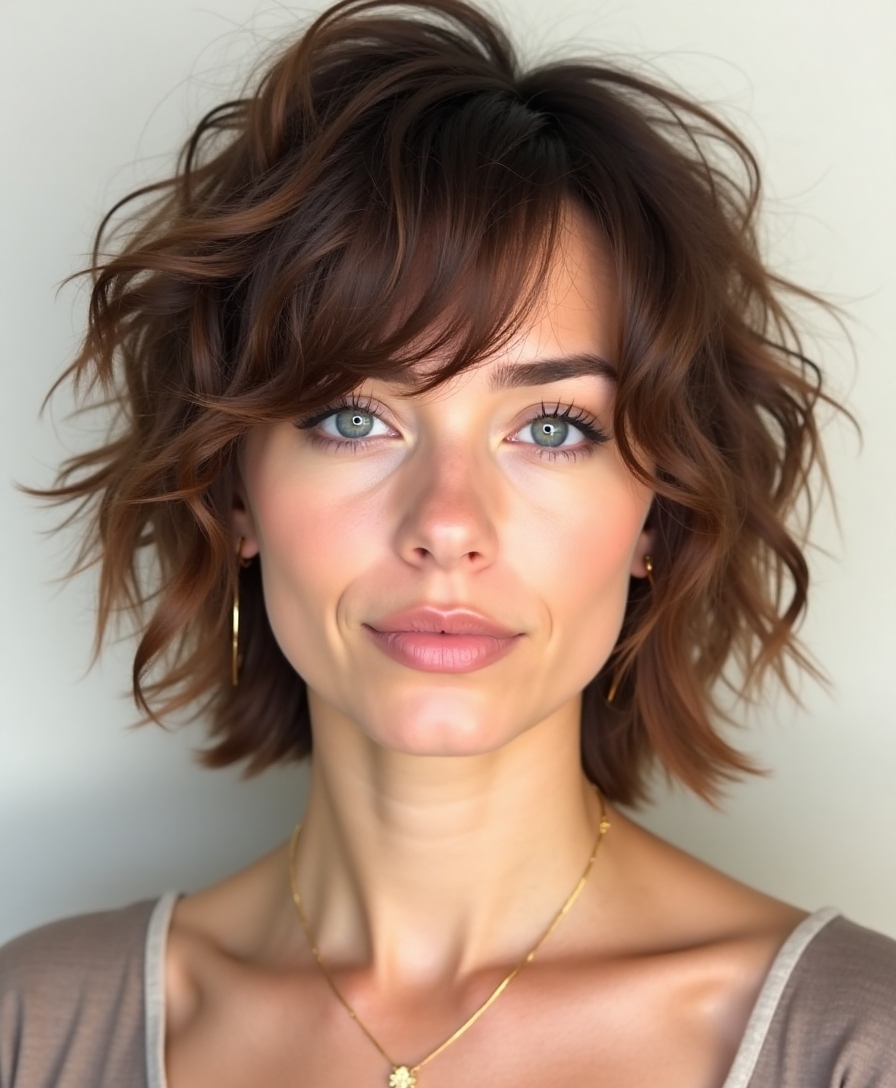
The wolf cut already has an edgy, carefree vibe, and a well-chosen accessory adds a little extra pop without softening the attitude. A few that suit the shaggy texture:
- A chunky headband to push back the front layers with a bold note
- Bright metal or pastel clips to pin face-framing pieces for charm
- A knotted scarf for color and a vintage, rock-and-roll flair
- Keep it to one piece so the texture of the cut still leads
Extra Volume With Styling
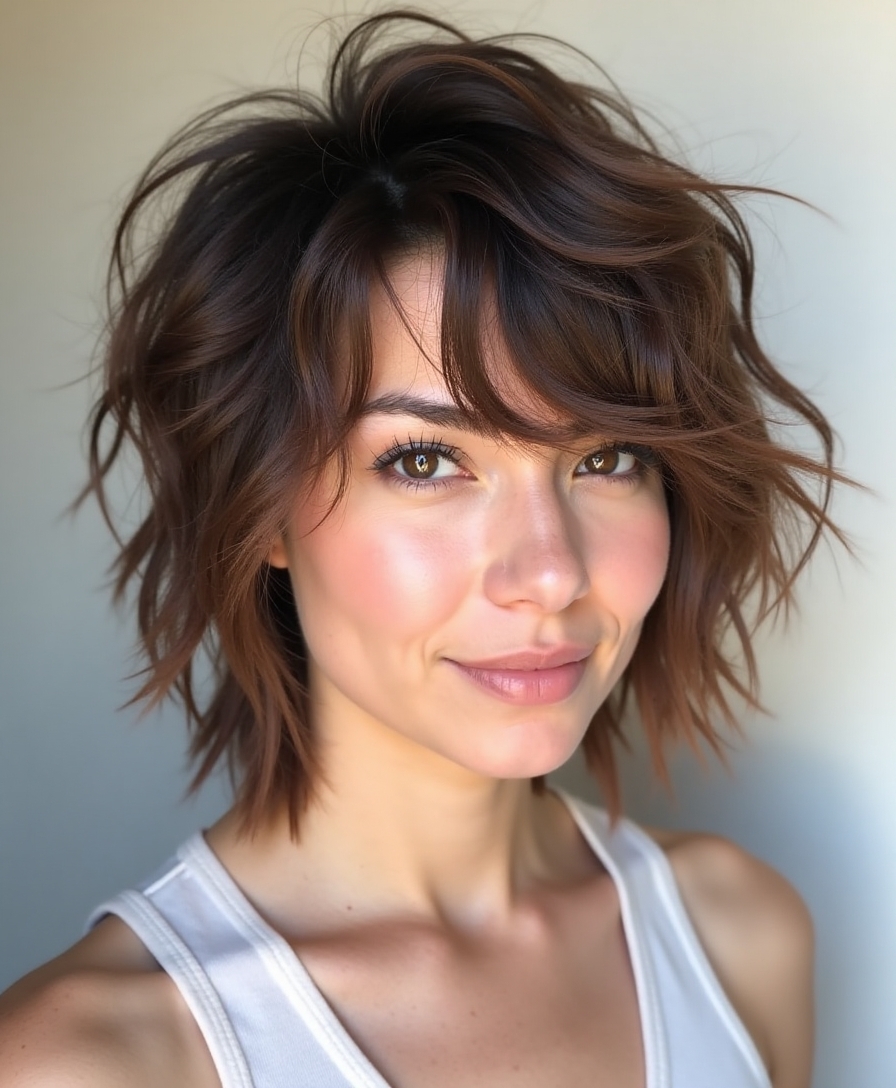
When you want even more drama, a little heat styling builds serious volume into the layers. The wolf cut takes volume beautifully because the layers give it somewhere to go.
Flip your head upside down and blast the roots with a blow dryer and a round brush on damp hair. That lifts the crown where wavy hair tends to sit flat.
Tease gently at the roots only where you need height, then finish with a light texture spray. The result is a fuller, bigger version of the cut for a night out.
Wolf Cut Missteps to Avoid
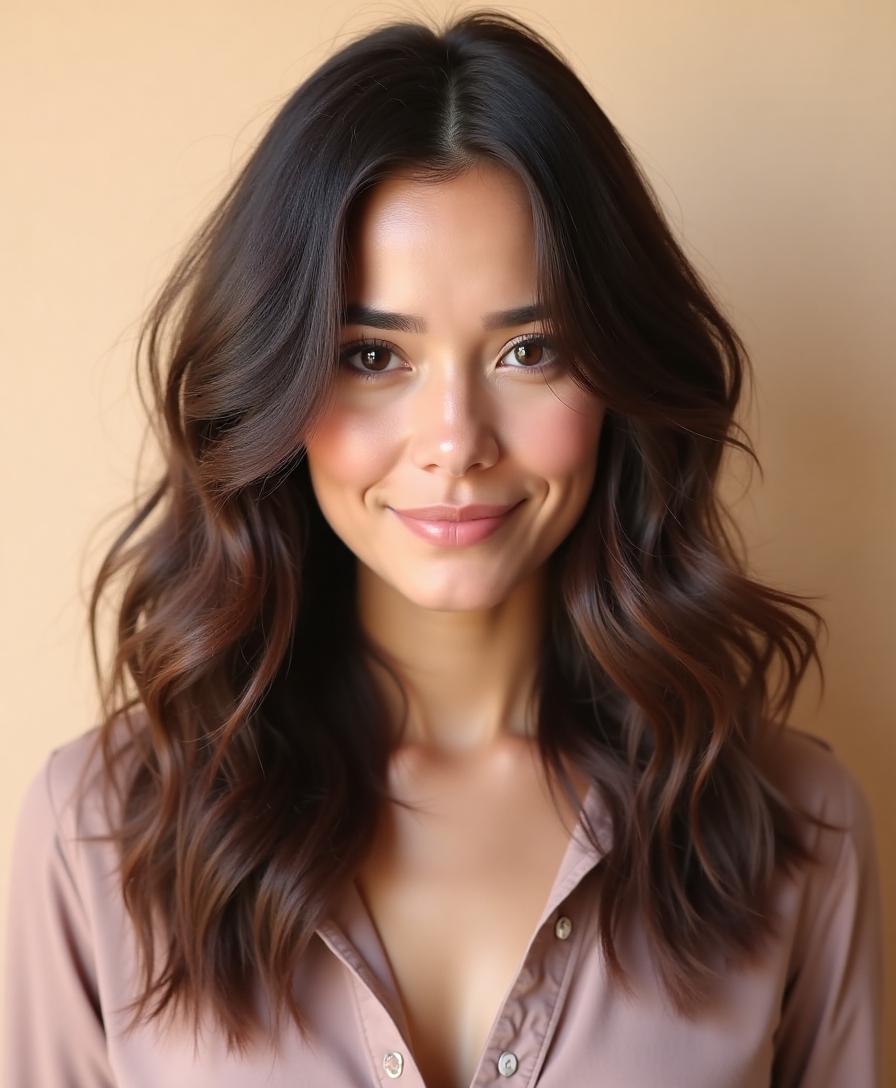
A wolf cut goes wrong in a few predictable ways, and knowing them ahead of time saves a sad salon trip. Most fixes are simple.
The big one is over-layering, especially on fine hair, which turns texture into thin, stringy wisps. The others are easy to dodge with a plan.
- Over-layering: too many layers leave fine hair looking sparse
- Skipping volume: flat waves make the cut fall apart, so build root lift
- Ignoring face shape: a one-size approach rarely flatters everyone
- Letting it grow too long between trims, which blurs the whole shape
Real-Life Wolf Cut Transformations
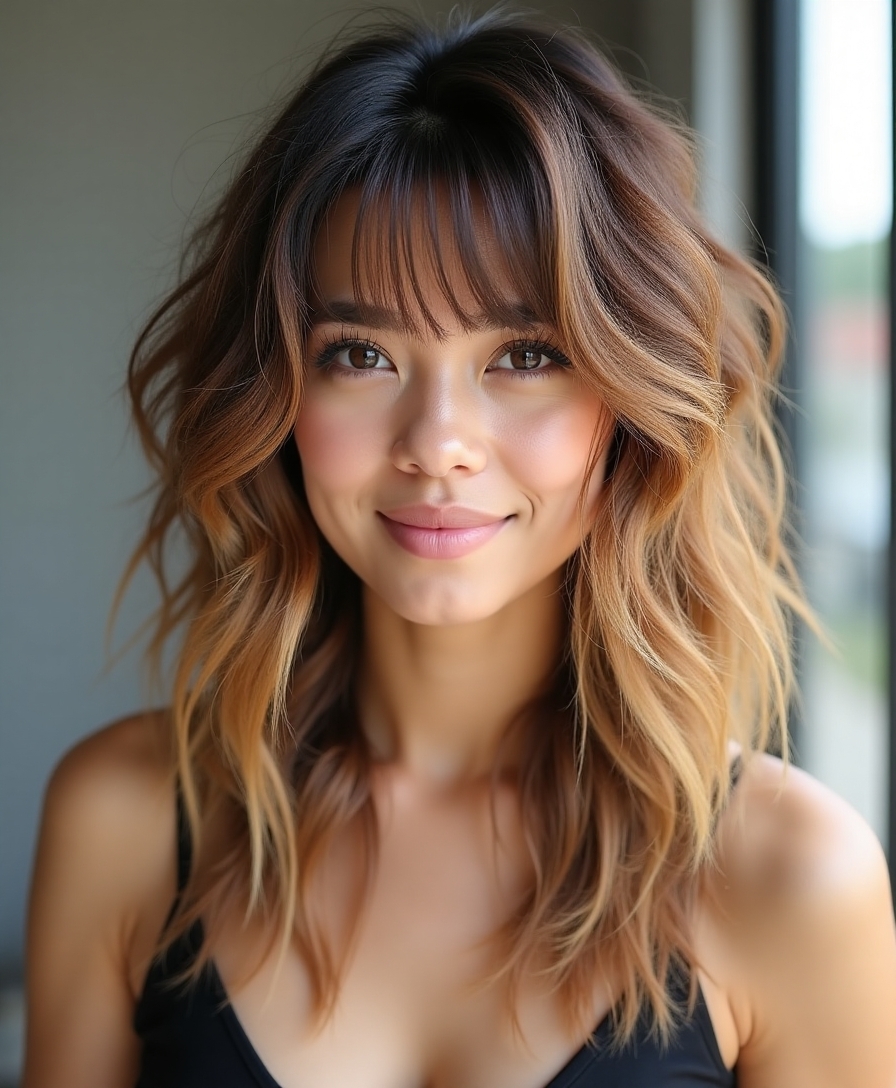
There is something deeply satisfying about a wolf cut transformation, watching flat, one-length waves turn into a shape full of layers and real movement. The change is often dramatic, since the cut adds the volume and edge that long, heavy hair flattens out.
The people who love their wolf cut most are usually the ones who were bored with hair that just hung there. If that is you, take a clear before photo, save a couple of references, and bring them to your stylist. The shift from ordinary to textured-and-bold is exactly what makes this cut worth the leap.
Who It Suits Best
The wolf cut is happiest on wavy and curly hair with at least medium thickness, where the layers have texture to play with. Fine, flat hair can wear it too, though the layering should be softer and the daily root-volume work more deliberate so it does not look thin.
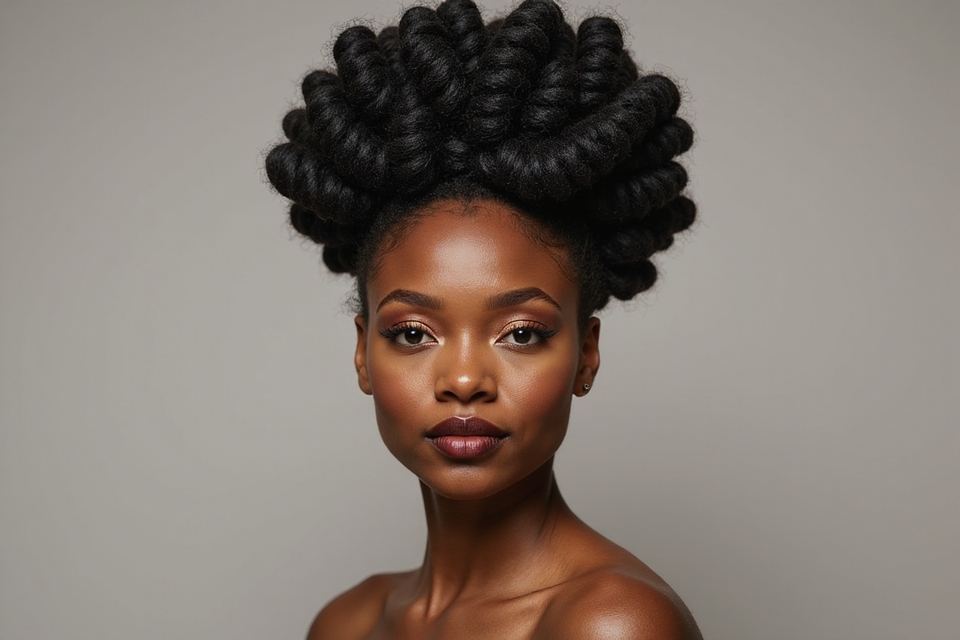
Thick, fast-growing hair is the ideal match, since it carries the choppy shape and grows out forgivingly. It also truly suits curly and coily textures, where the layers fall into a soft, shaggy halo instead of the same beachy wave; the cut adapts to the curl pattern instead of erasing it.
Personality-wise, it suits anyone drawn to a low-maintenance, anti-fussy look with a bit of edge. If you want hair that holds a sleek blowout for days, this is not your cut; if you want texture you can scrunch and forget, it might be perfect. Bring your face shape, your hair’s natural behavior, and an honest sense of your routine to the consultation, and a good stylist will tailor the wolf cut to all three.
Ready to Run a Little Wild?
The wolf cut and waves belong together, because both are about texture, movement, and a refusal to sit flat and tidy. Get the layers and face-framing right for your shape, keep the trims and hydration steady, and the cut rewards you with volume and edge for almost no daily fuss. It is the rare style that looks better a little undone.
So if you have been craving a change with real personality, save a couple of references, find a stylist who clearly cuts strong shags, and book the consultation. Ask the questions, learn the scrunch-and-go rhythm, and let your waves finally run a little wild. The leap from ordinary to bold is usually one good cut away.
Next Up