
What separates a basic manicure that looks expensive from one that looks like you ran out of time? It is rarely the color. After years at the nail desk, I can tell you the difference is almost always prep, an undertone that actually matches the hand, and a shape that suits the finger, the same three things a pricey set gets right.
These are the simple, quiet styles I come back to for myself and recommend to clients who want polish with no fuss. None of them are complicated. The small tweaks that make each one feel considered, though, are where the magic hides.
The Quick Version
- Prep matters more than polish: tidy cuticles and a clean, buffed surface make any basic shade look expensive.
- Match the undertone to your skin, not the trend; the right nude lengthens the hand, the wrong one grays it out.
- Shape does the heavy lifting: almond and short square flatter most hands with zero color.
- A glossy seal is the cheapest upgrade there is. It turns a bare nail into a finished one.
Glossy Nude Polish
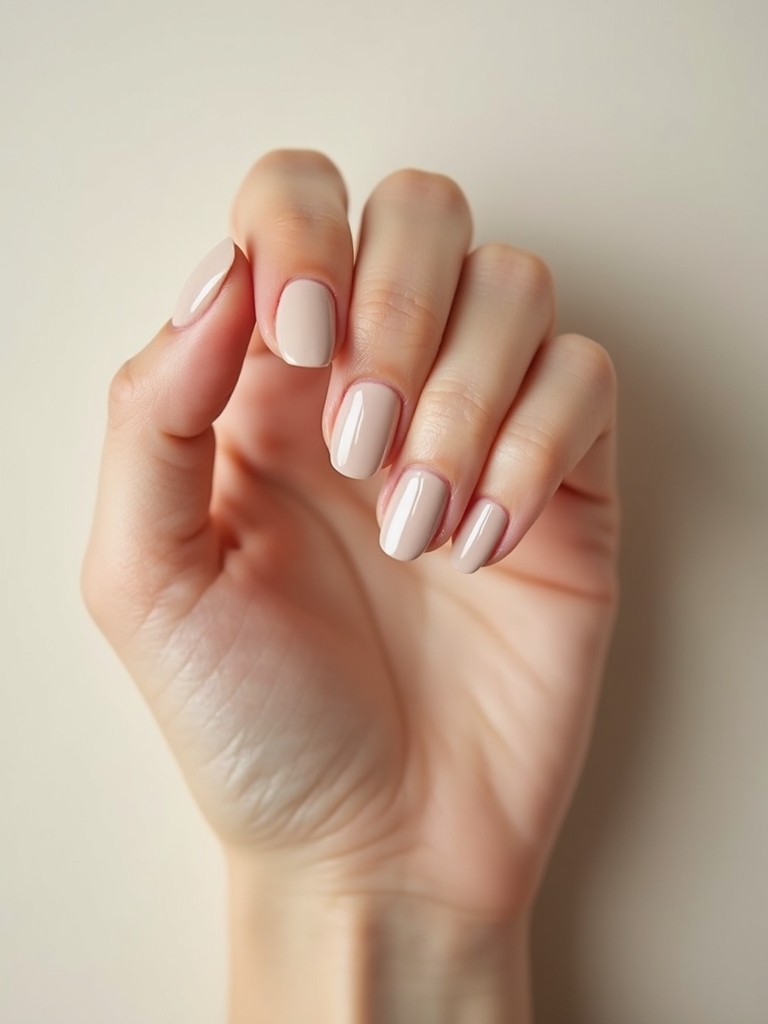
A glossy nude is the little black dress of manicures, the shade I reach for when I want clean hands that go with jeans, a blazer, or a slip dress. The catch nobody mentions is that nude comes in dozens of undertones. The right nude flatters your skin tone and lengthens the fingers, while the wrong one can wash you out or turn chalky.
I always test two bottles against the side of the hand in daylight before committing, because a shade that looks perfect in the bottle can turn gray or orange once it is on the nail. That extra minute of matching is the single biggest upgrade to a simple manicure, and it costs nothing.
- Match the undertone: pinky nudes suit cool skin, caramel and beige nudes suit warm and deep skin.
- A sheer nude forgives grow-out; a fully opaque one shows the line faster.
- Always finish with a glossy topcoat so the bare-nail look looks finished. The nude nails guide has shade matches for every tone.

Soft Nude French Tips
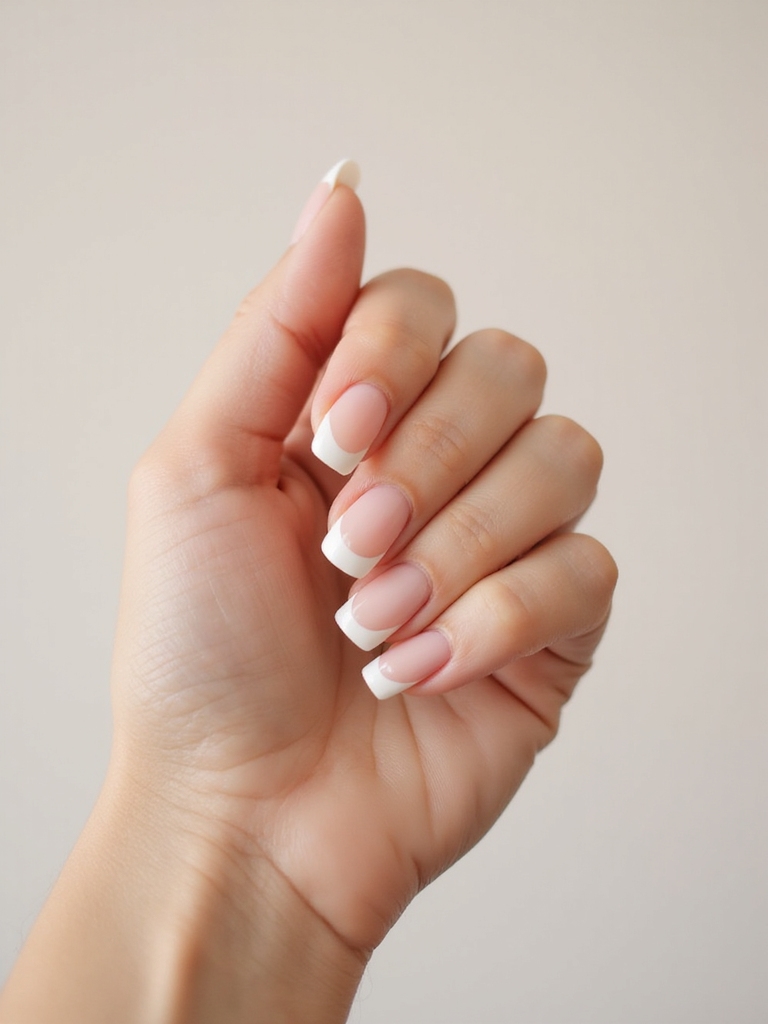
The French tip earns its forever-classic status because it works on every hand and every outfit. The modern version softens the old stark contrast: a sheer nude base with a slim, slightly warm white edge that looks fresh and clean.
The shift toward warmer, thinner tips is what keeps it from looking like a 1990s set, and it is an easy thing to specify when you book. Ask for a cream or buttermilk tip over a true white if your skin runs warm, and a cool porcelain edge if it runs pink.
- Keep the white edge thin; a thick band looks dated and shortens the nail.
- Try a warm cream tip instead of bright white for a softer, current feel.
- Customize the curve to your nail shape so the tip follows your natural smile line.
- Seal glossy for that glassy finish. Browse tip widths in the french tip nails guide.
A salon-quality nude at home, in five steps:
1Prep
Push back cuticles, lightly buff the surface, and wipe with alcohol so polish grips.
2Base coat
One thin layer protects the nail and stops sheer nudes from staining.
3Two thin color coats
Thin beats thick; two even coats cure cleaner than one heavy one.
4Glossy topcoat
Seal the whole nail, capping the free edge to slow chips.
5Oil
A drop of cuticle oil once dry makes the whole hand look finished.
Soft Tapered Almond Shape

Shape alone can make plain nails look done, and the soft almond is my favorite proof. Its gentle taper visually lengthens the fingers and slims a wider nail bed, so even a bare buffed nail looks considered. It is polished with very little upkeep, which makes it a smart pick for busy hands.
The reason it flatters so widely is geometry: the tapered point mirrors the natural curve of the fingertip, so the eye takes in the whole hand as longer and more elegant. If your nails are prone to breaking, keep the point soft and the length moderate, since a sharp, long almond is the first shape to snap.
- Almond suits long-to-medium length; if you keep nails short, a soft squoval gives a similar slimming line.
- File to a rounded point, not a sharp one, so the shape stays strong and snag-free.
- It flatters nearly every hand and pairs with any polish mood. See more in the almond nails guide.
A Single Metallic Accent Nail
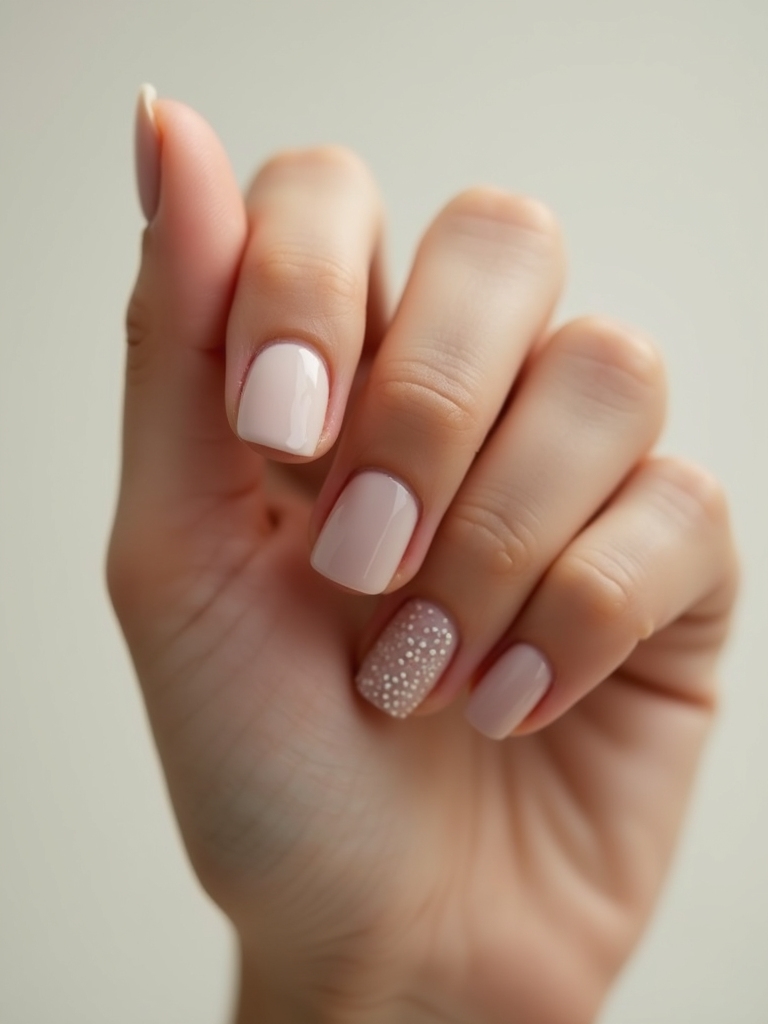
When a fully bare manicure feels too plain but you do not want color, one metallic accent nail is the smallest possible flourish. A single chrome or soft-gold ring finger against four neutral nails adds a glint of interest while the rest stays quiet.
This is the move I suggest to clients who say they want something but cannot commit. It is low-risk, costs almost nothing extra, and changes the whole feel of a neutral set.
The placement matters too: most people accent the ring finger out of habit, but trying it on the index or thumb instead looks a little more deliberate and modern. Keep the metallic in the same temperature family as your jewelry, warm gold with gold rings, cool chrome with silver, so the whole hand looks coordinated rather than random.
- Pick a metallic that echoes your everyday jewelry so it looks intentional.
- Keep the other four nails sheer or nude so the accent stays the focal point.
- Chrome shows wear faster, so cap the tip with topcoat to keep it clean.
One thing clients get wrong about simple nails:
❌ Myth: An accent nail has to be flashy to look intentional.
✅ Reality: A single soft metallic that matches your rings looks far more expensive than glitter or rhinestones ever will.
Razor-Thin Elegant Tips
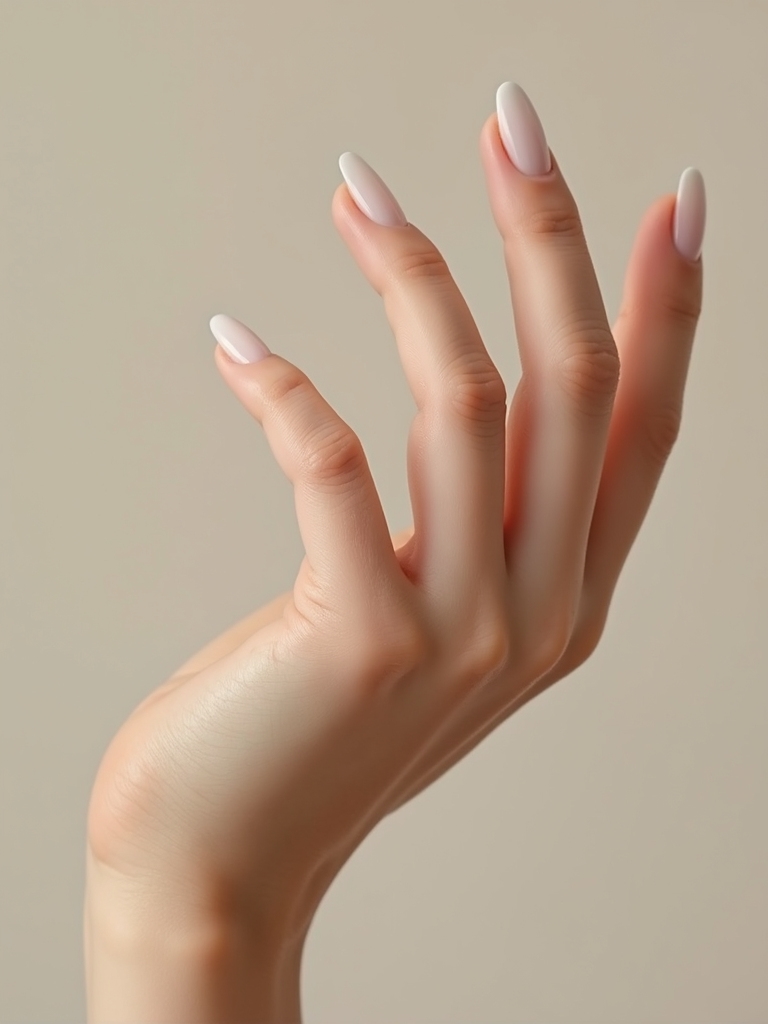
Where the soft French keeps a visible band of color, a micro French shrinks it to a whisper, just a hairline tracing the very edge. It is the most modern way to wear the shape, and it looks especially clean on short nails because the thin line draws the eye without adding bulk.
Because there is so little color, it works in unexpected shades too: a fine black line looks sharp and editorial, while a soft gold one feels delicate. The thinness is also forgiving on grow-out, since a hairline tip blurs the gap as the nail moves down, buying you an extra week between appointments.
- Ask for the thinnest line your tech can paint; precision is the whole point.
- A milky or soft pink base under the micro tip keeps it barely-there.
- It grows out gracefully, so you can stretch the time between fills.
- Layer it over a glossy seal so the hairline stays crisp for weeks.
Sheer Pastel Wash

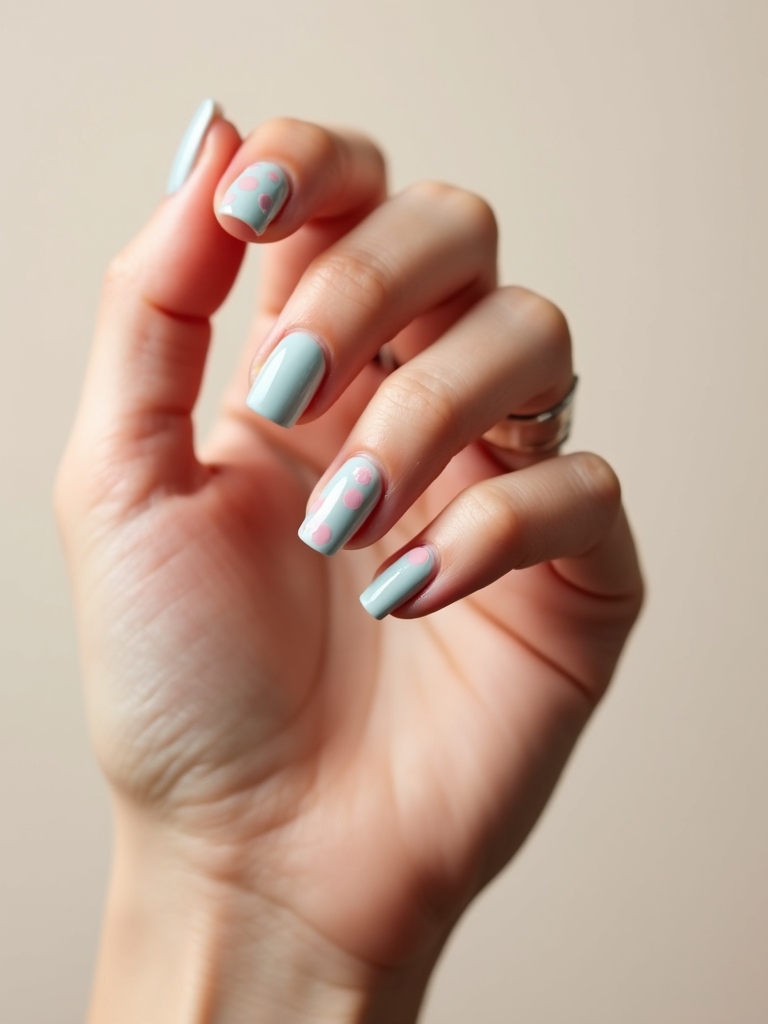
When you want the smallest hint of color, a sheer pastel wash is the gentlest way in. A single coat of soft lilac, baby blue, or pale mint gives a tinted-glass effect that still looks neutral, so it works just as well at the office as on a weekend.
Building opacity
The trick is restraint. One sheer coat is a whisper; two builds a soft milky veil if you want a touch more presence. Either way the nail still looks like your own, only cleaner.
Pastels in this sheer form flatter every skin tone, since the color is so diffused it never competes with the hand. For more saturated versions, the pastel nails guide has the full range.
Quiet Neutrals Worth Knowing
Beyond nude, a few neutrals deserve a spot in your rotation. A subtle milky white blurs the nail into a creamy veil that hides minor ridges and flatters any length, which is why it photographs so clean. A soft greige or warm beige feels a touch more grown-up than pink nudes and suits deeper skin tones beautifully, where it looks rich instead of ashy.
A clear gloss shine is the most minimal of all: no color, just a healthy, polished sheen, like lip gloss for your nails. It is the fastest way to look put-together when you have five minutes. For a soft opaque version of the same idea, the milky nails guide is a good next stop.
How to Ask for It at the Salon
Simple looks go wrong most often because of vague instructions, so a little specificity saves you a redo. Bring a photo even for a plain nude, since names like beige and greige mean different things to different techs, and point to the undertone you want rather than describing it.
For a French, say how thin you want the tip and whether you want warm white or cool white. For shape, name it directly: soft almond, short square, or squoval, and ask your tech which suits your nail bed if you are unsure.
The other quiet detail is finish. A glossy topcoat is the default, but a satin or velvet matte over a nude feels more modern and hides ridges, while a high-gloss seal makes the same shade look wet and expensive. If you are between gel and regular polish, mention how you treat your hands; a tech can steer you toward the one that will actually last your week.
Maintenance & Care
The reason basic nails sometimes look unfinished comes down to upkeep more than color. Cuticle care is the biggest lever: a dab of cuticle oil daily keeps the base of the nail tidy, which makes even bare nails look groomed. File in one direction so the edge stays smooth; sawing back and forth causes the peeling that makes simple manicures look rough by day three.
Cost and timing are easy to plan for. A basic polish manicure usually runs $25 to $35. Plan on about half an hour in the chair. A gel version runs $35 to $50 and holds its shine for two to three weeks, which makes it worth the extra for anyone hard on their hands. Whichever you choose, a quick topcoat refresh midway through the wear keeps the gloss alive. Short-nail wearers can find more low-effort options in the short nails guide.
Basic Nail Questions, Answered
?How do I pick the right nude for my skin tone?
If you fall between warm and cool, look at the veins on your inner wrist: bluish veins lean cool, so reach for rosy and greige nudes, while greenish veins lean warm, where caramel and sand glow. Neutral undertones can wear almost any nude, so go by the finish you like best instead.
?Why do my simple manicures chip so fast?
Usually it is prep. Skipping the buff-and-wipe step leaves oils on the nail that stop polish from gripping. Capping the free edge with topcoat and avoiding hot water for the first hour also makes a big difference.
?Are basic nails better short or long?
Both work, but short nails make simple styles look cleaner and lower-maintenance, while a soft almond on medium length adds elegance. Shape matters more than length here, so file to suit your hand.
?Is gel worth it for plain nail looks?
If you are tough on your hands or hate frequent touch-ups, yes. Gel holds its gloss for two to three weeks, which keeps a basic nude or French looking fresh far longer than regular polish.
Simple, Done On Purpose
The thread through all of these is intention. A nude that matches your undertone, a shape that suits your finger, a tidy cuticle and a glossy seal, those small choices are what separate quiet and polished from plain and forgotten.
Start with one: pick the neutral that flatters your hand and wear it really well. Once the basics look this good, you may find you reach for the bold stuff a lot less than you expected.
Hand-Picked for You