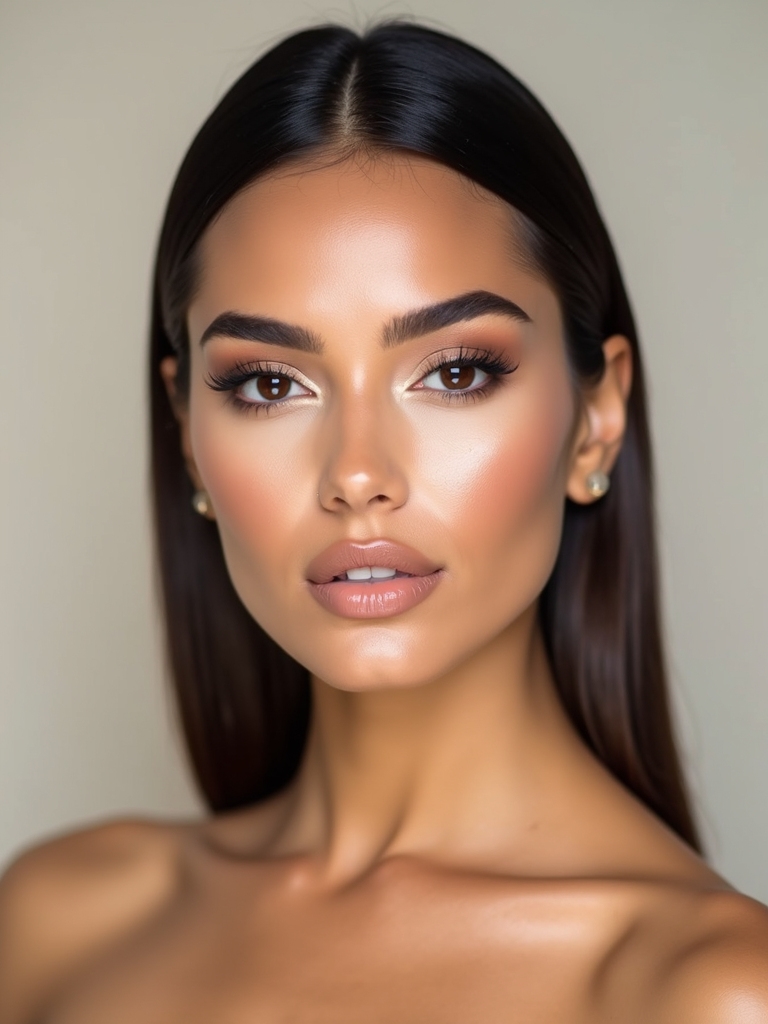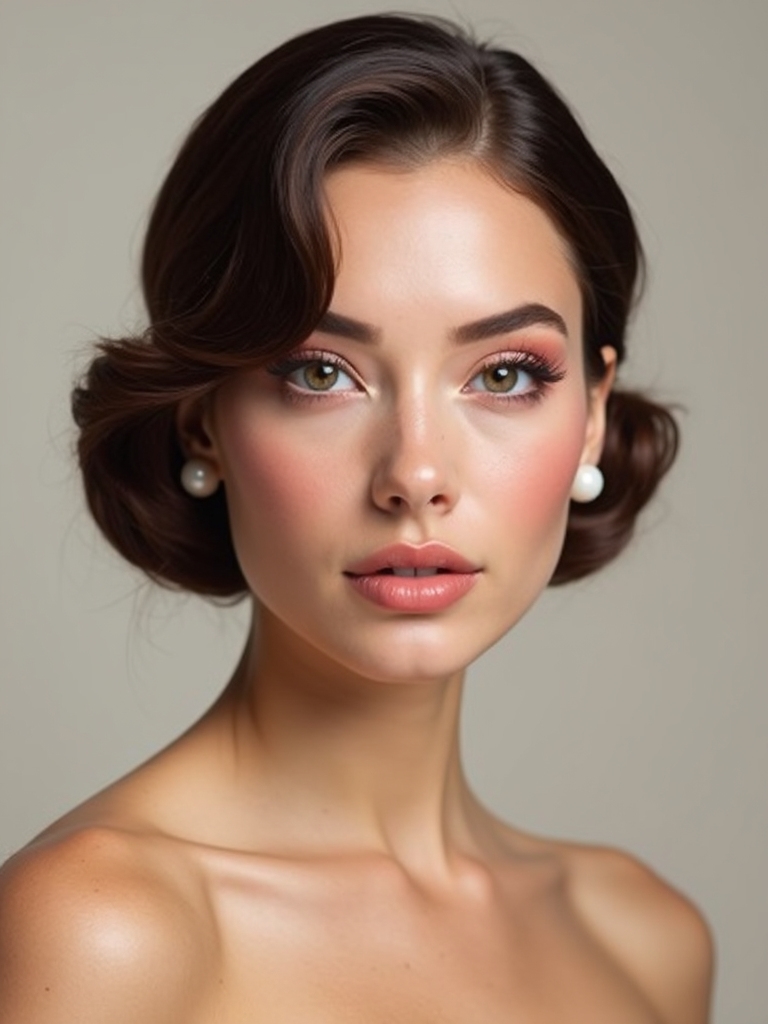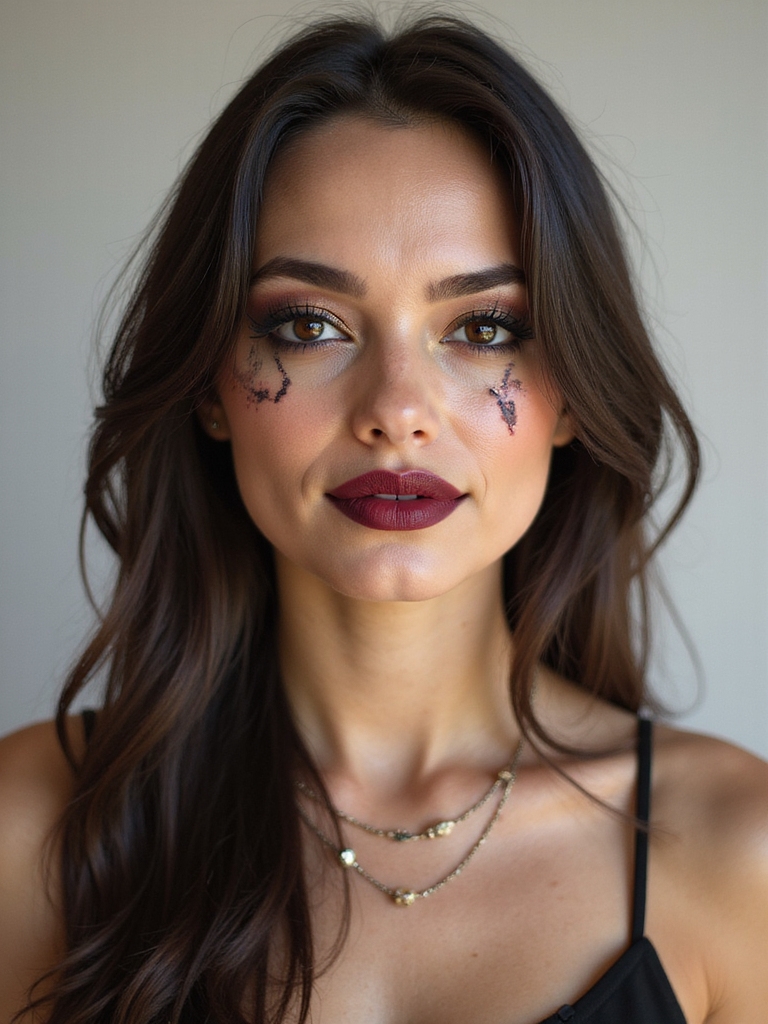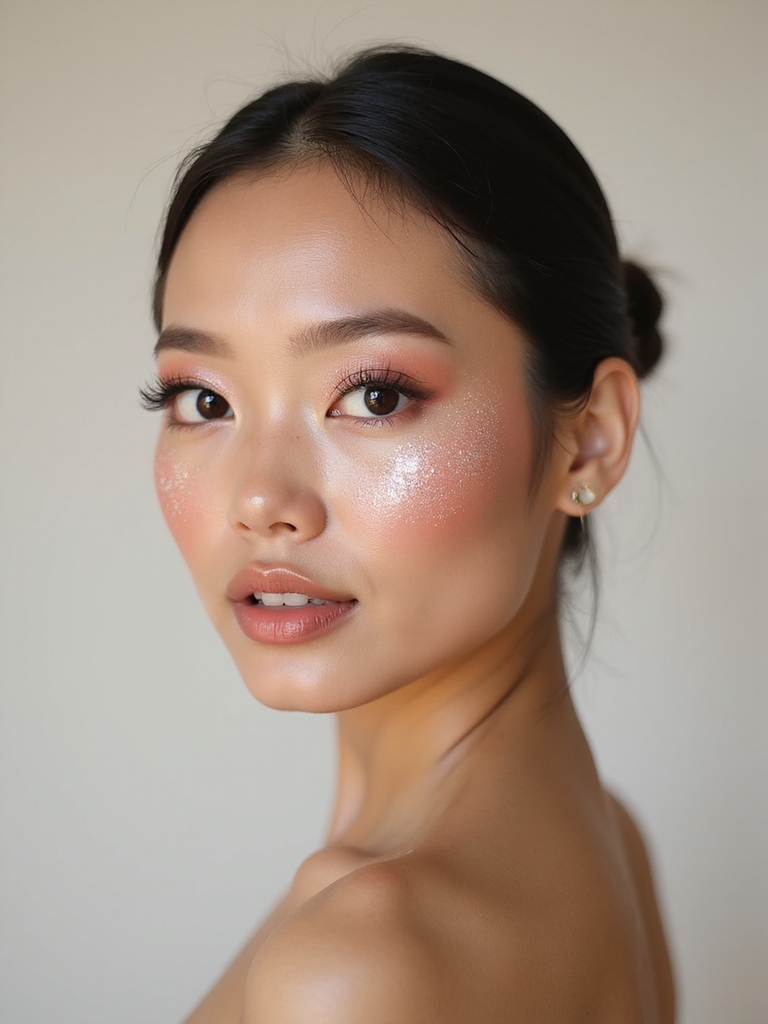
Ever wonder why your makeup looks great for an hour, then slides off or goes cakey? Nine times out of ten it isn’t the products, it’s the routine: the order you apply things, and the prep you skip when you’re rushing.
A good routine is mostly about sequence. Get the steps in the right order, creams before powders, set only where you’re oily, lock it at the end, and even a five-minute face looks polished and lasts all day. Here’s the routine I walk every client through, step by step, for every skin tone.
Quick Questions
What’s the right order to apply makeup? Skincare, primer, color-correct, foundation, then cream products before powders, then eyes and lips, and setting spray to finish.
How do I make makeup last all day? Prep with grippy skincare, set only your oily zones, layer cream-then-powder, and lock it with a setting spray matched to your skin type.
Do I need a lot of products? No. A solid routine can be five or six multitasking products. Technique and order matter far more than the size of your collection.
Start With Clean, Hydrated, Protected Skin
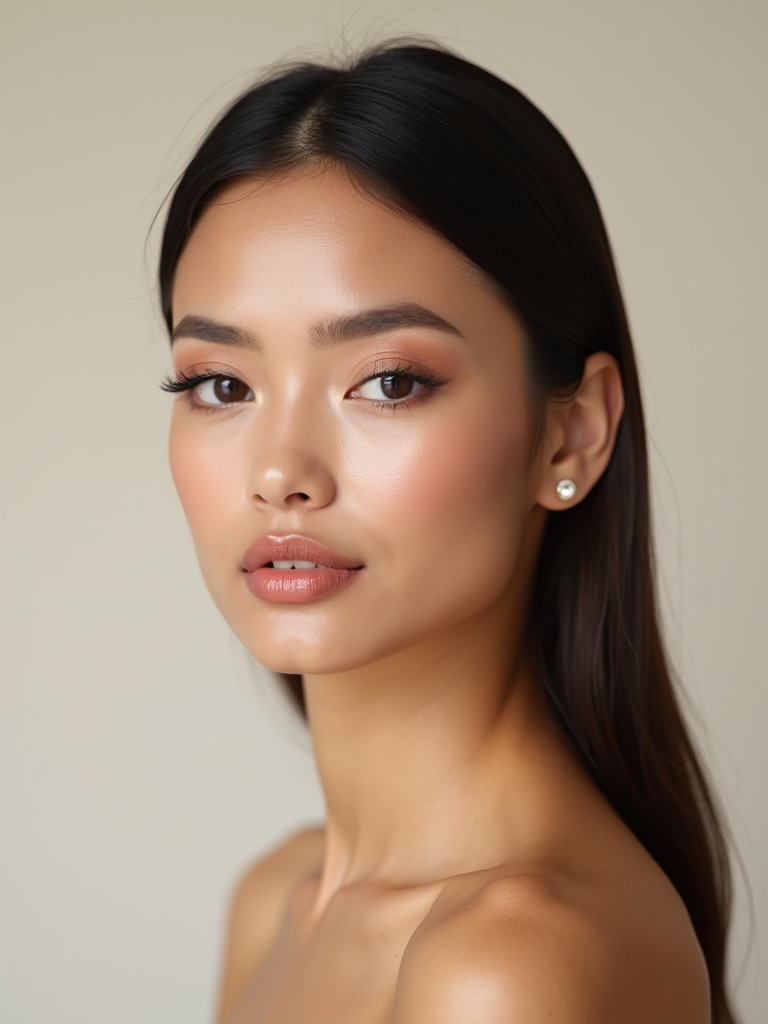
Every lasting makeup routine begins before the makeup, with clean, hydrated, protected skin. Makeup applied over dry, unprepped skin clings to flakes and slides off by noon.
Cleanse, apply a moisturizer suited to your skin type, and finish with an SPF, since sun protection is the one step that matters most for your skin long-term. Let everything absorb for a few minutes before you start, which is what gives you a smooth base to build on.
- Cleanse, moisturize, SPF before any makeup
- Let it absorb for a few minutes so makeup grips
- Dry, unprepped skin is why makeup flakes and slides

A Targeted Primer for Your Skin Type
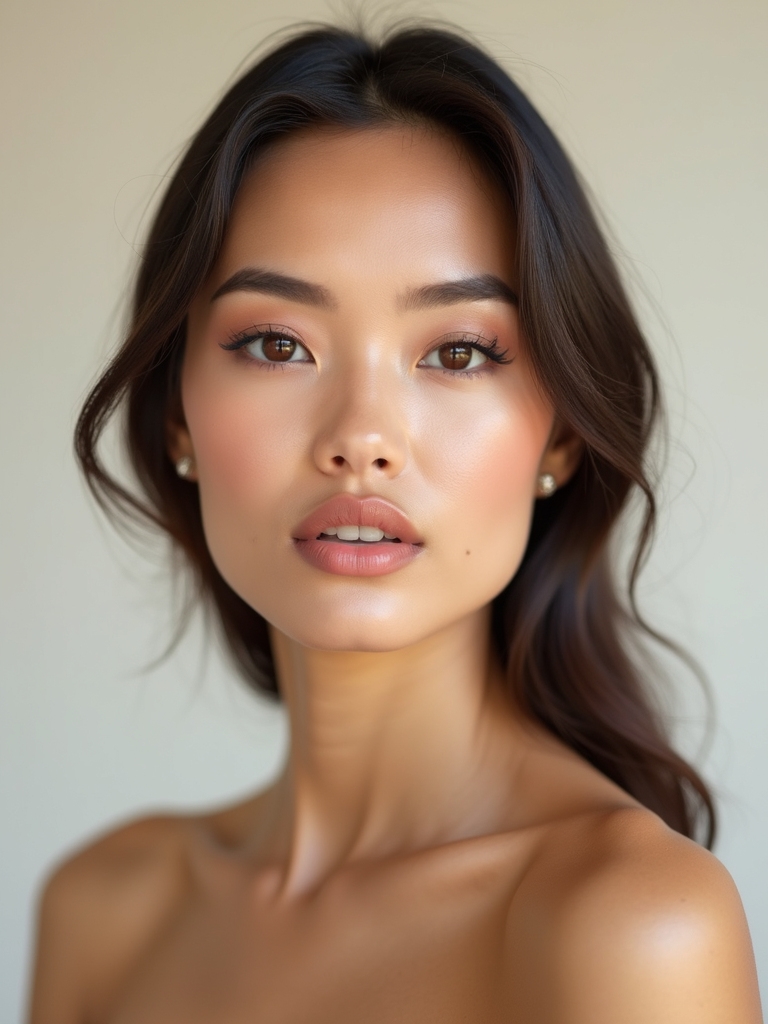
Primer is the optional-but-helpful step that bridges skincare and makeup. What matters is choosing one targeted to your skin type, since the wrong formula can make makeup behave worse.
Oily skin wants a mattifying or pore-blurring primer, dry skin wants a hydrating, luminous one, and textured skin wants a smoothing, blurring formula. Matched correctly, primer helps makeup grip and last. On normal skin, a good moisturizer often does the same job.
- Oily skin: a mattifying or pore-blurring primer
- Dry skin: a hydrating, luminous primer
- Textured skin: a smoothing, blurring primer
Pick your routine pace:
🎯Five minutes
Tinted moisturizer, cream blush, brow gel, mascara, and a lip. Done.
🎯Full routine
Layer primer, foundation, concealer, set, sculpt, and lock for a long, polished day.
Spot-Correct for Natural-Looking Skin
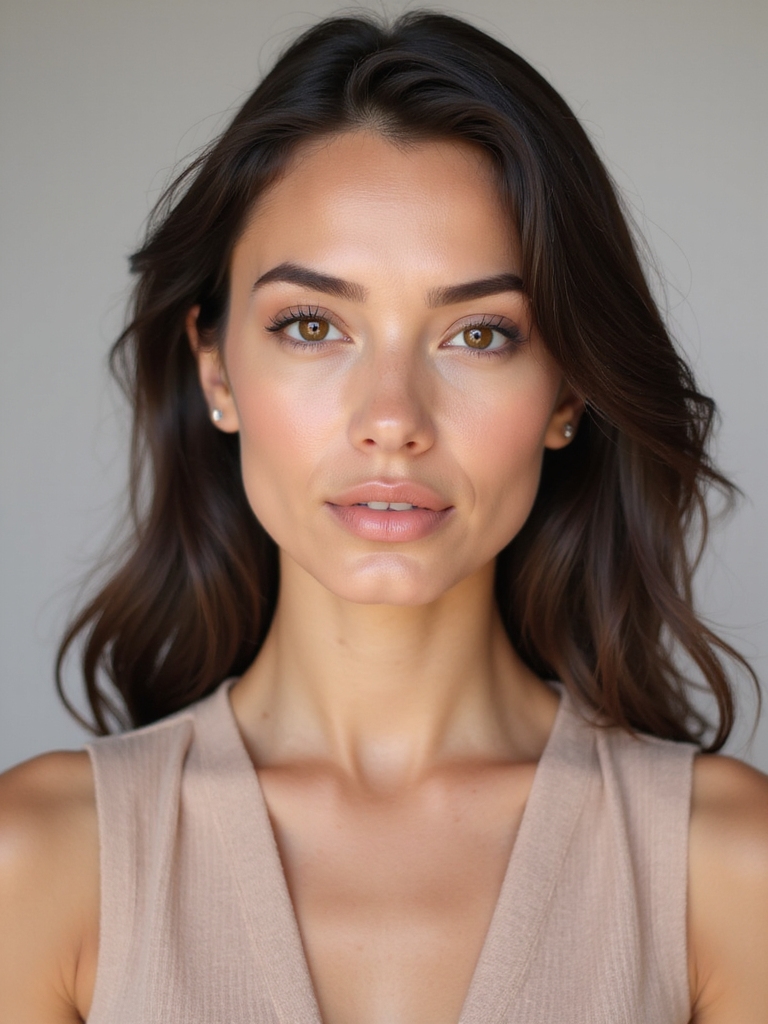
Color-correcting sounds advanced, but spot-correcting only where you need it keeps skin looking natural. The order:
- Dab a peach or orange corrector on dark circles or hyperpigmentation
- Use a green corrector only on a red blemish or rosacea
- Apply it before foundation, in a thin layer, just on the spot
- Keep it light, since heavy correction looks gray and obvious
Choose a Finish That Suits Your Skin
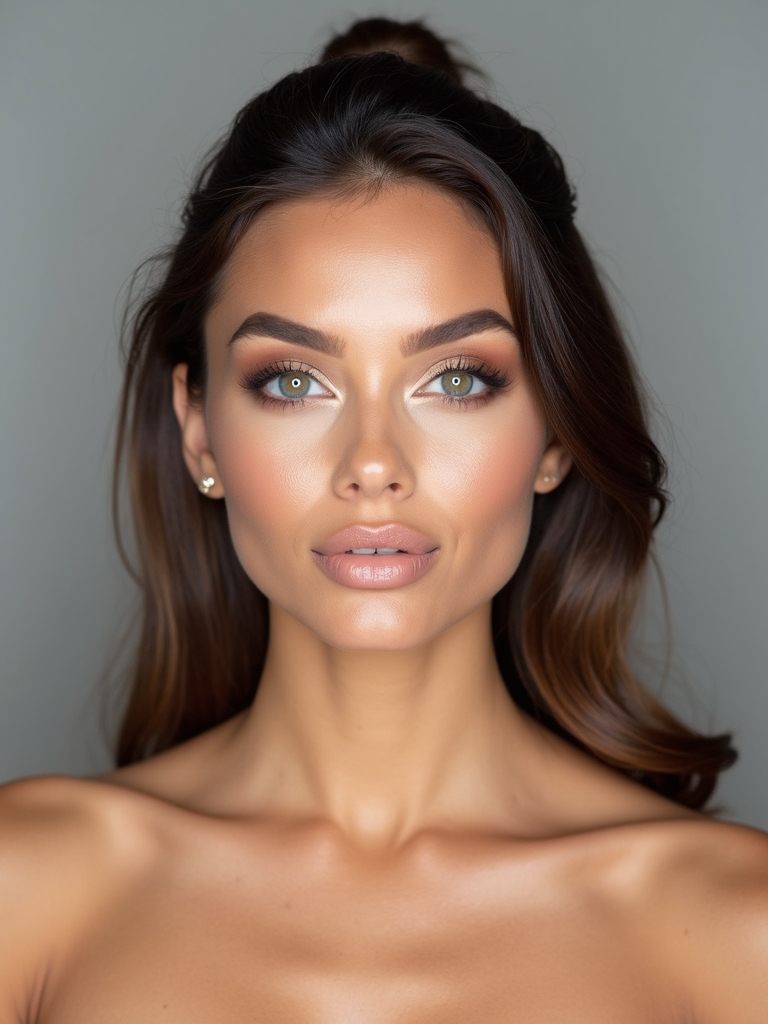
Before you pick a foundation, decide on a finish that complements your skin and your day. The finish matters as much as the shade. Choose:
- Dewy for dry or normal skin and a glowy look
- Satin for a natural, skin-like middle ground that suits most
- Matte for oily skin or a long, low-shine day
- On deep skin, a satin or dewy finish dodges the flat, ashy look matte can give
Good to Know
The single biggest reason makeup looks cakey or slides off isn’t the product, it’s the order. Creams always go before powders, and powder belongs only where you get oily. Get the order right and inexpensive makeup behaves like the high-end stuff.
Sheer, Buildable Coverage
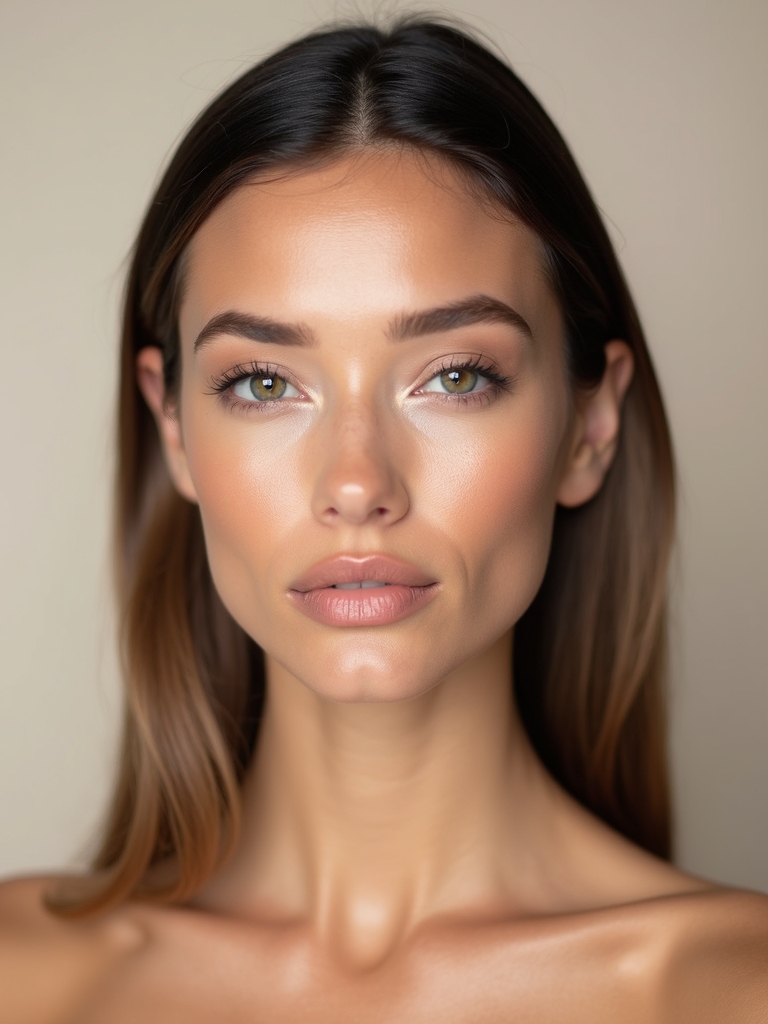
The biggest routine upgrade most people can make is using less foundation. Sheer, buildable, natural-looking coverage beats a full mask every time.
Build It Up Slowly
Apply a thin layer of a sheer or medium foundation with a damp sponge, pressing it in, then build a second layer only where you want more coverage. Spot-conceal the rest, which keeps skin looking like skin.
Pressing product in with a damp sponge is what gives that smooth, melted finish. It uses less product and looks far more natural, much like a no-makeup makeup base.
Match Undertone, Depth, and Blend
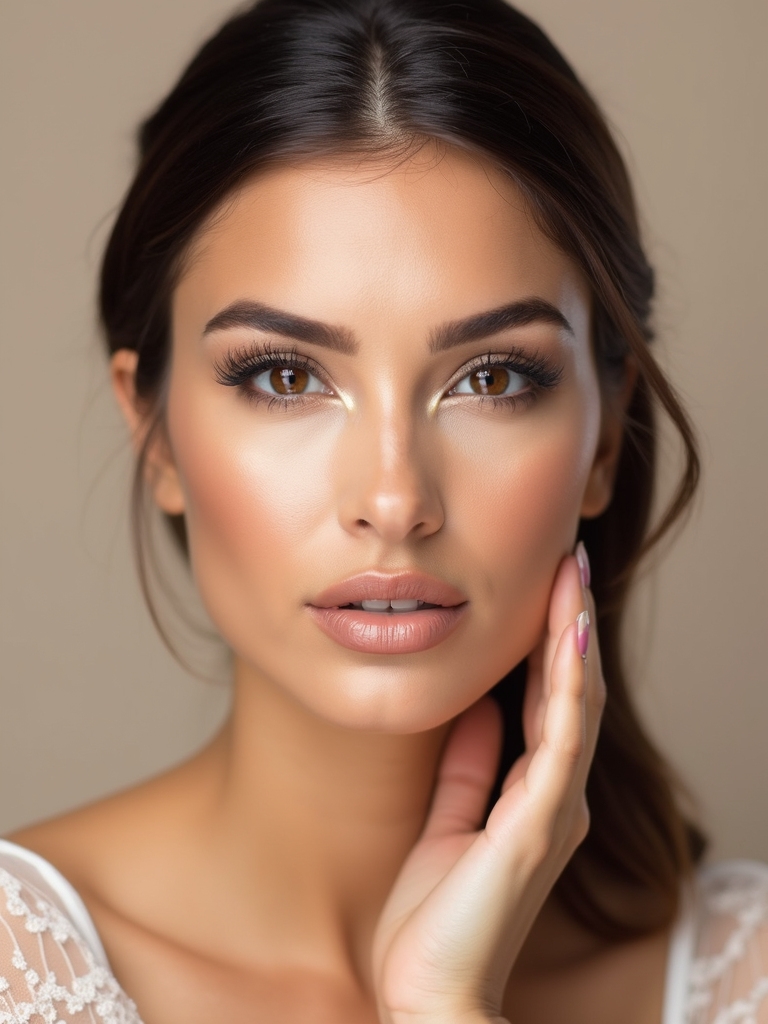
A foundation only looks right when it matches three things: your depth, your undertone, and how it settles once it oxidizes. Most mismatches are an undertone problem, not a depth one.
Test shades on your jaw in natural light and look for the one that disappears. A shade that goes gray is too cool; one that goes orange is too warm. Deep skin especially needs the right undertone to avoid an ashy or muddy cast, so test rather than guess.
- Match depth and undertone, not just lightness
- Test on the jaw in natural light
- A shade that disappears is right; gray or orange is wrong
| Step | What | Why |
|---|---|---|
| 1. Prep | Moisturize, SPF, primer | A smooth, protected canvas |
| 2. Base | Color-correct, sheer foundation, conceal | Even skin that still looks like skin |
| 3. Set | Powder on oily zones only | Locks the base without flattening it |
| 4. Color | Cream blush and bronzer, then powders | Warmth and life, cream before powder |
| 5. Features | Brows, eyes, lips | Definition and a finishing touch |
Set Powder Only Where You Need It
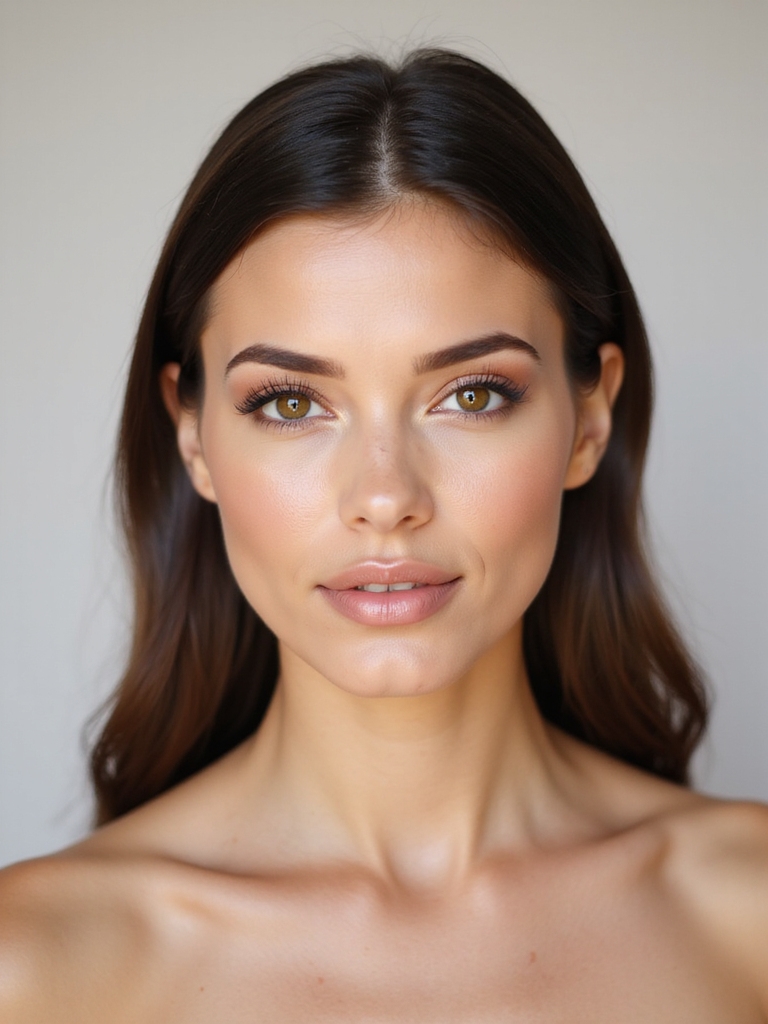
Setting powder is where many routines go wrong, because all-over powder flattens and ages the skin. Powder belongs only where you get oily. The approach:
- Dust a light setting powder on the T-zone and under the eyes
- Leave the cheeks and high points bare so they stay dewy
- Use a fluffy brush and a light hand, pressing not sweeping
- Skip powder entirely on very dry skin
Creams First, Powders After
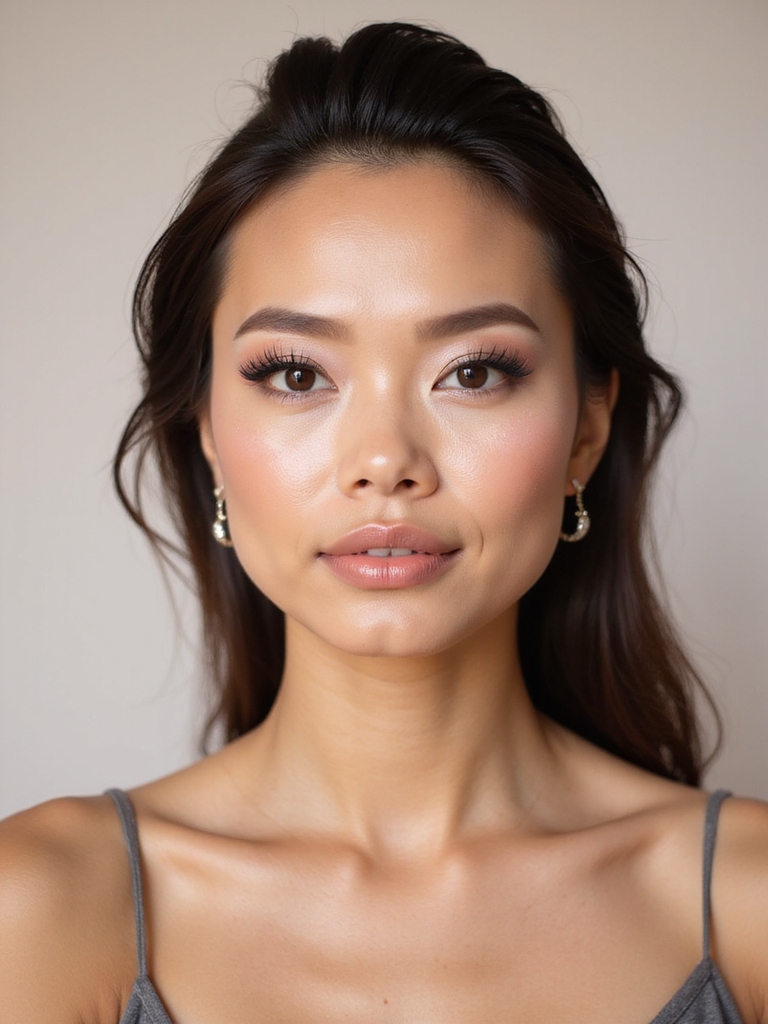
The single most important rule in any makeup routine is creams first, powders after. Cream products applied over powder grab, streak, and never blend, while creams under powder melt into the skin.
So apply cream blush, cream bronzer, and cream highlight onto bare or lightly-set skin, blend them in, then dust any powder versions on top to lock them. Following this order is the difference between a smooth base and a patchy one.
I tell every client the same thing: your routine is only as good as your skin prep. Five minutes of moisturizer and patience before makeup does more than any high-end foundation applied to dry, unprepped skin.
Multitasking Products for Busy Mornings
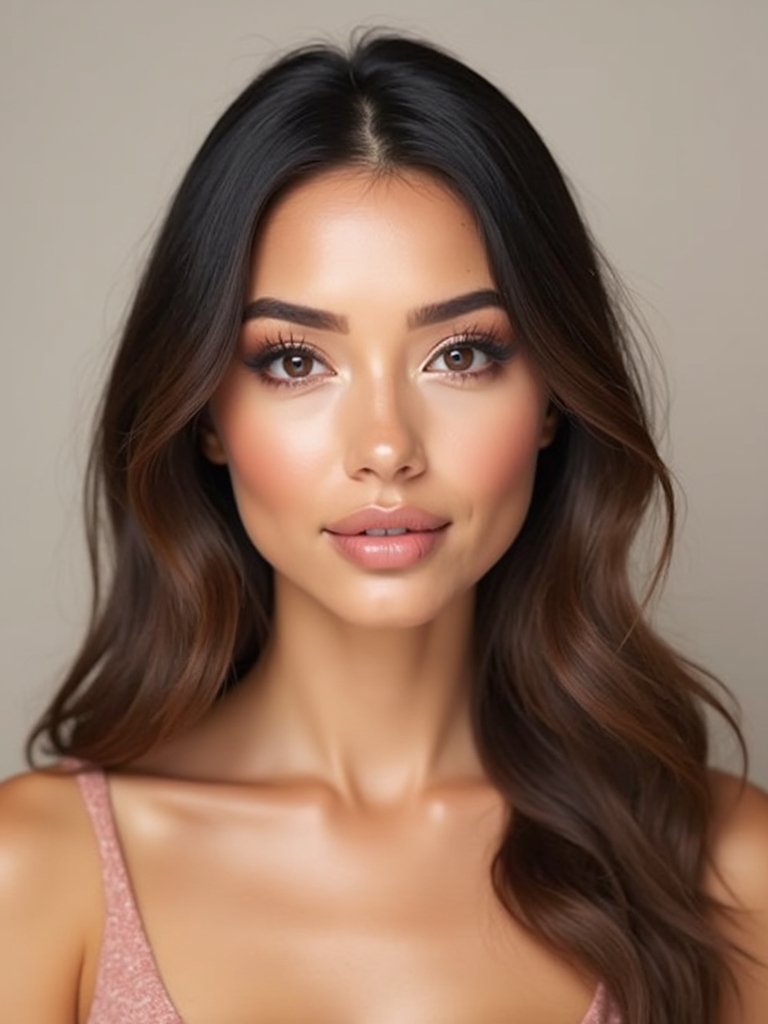
For busy mornings, multitasking products cut your routine in half. A tinted moisturizer with SPF covers prep, base, and protection in one; a cream blush works on cheeks and lips; a brow gel doubles as a quick groomer in a pinch. Building a small kit of multi-use products means a complete face in five minutes, which is the only routine you’ll actually keep on a rushed day. See our everyday makeup looks guide for fast looks built this way.
- A tinted moisturizer with SPF = prep, base, protection
- A cream blush works on cheeks and lips both
- Multi-use products make a five-minute face possible
Feathered Brows With Hair-Like Strokes
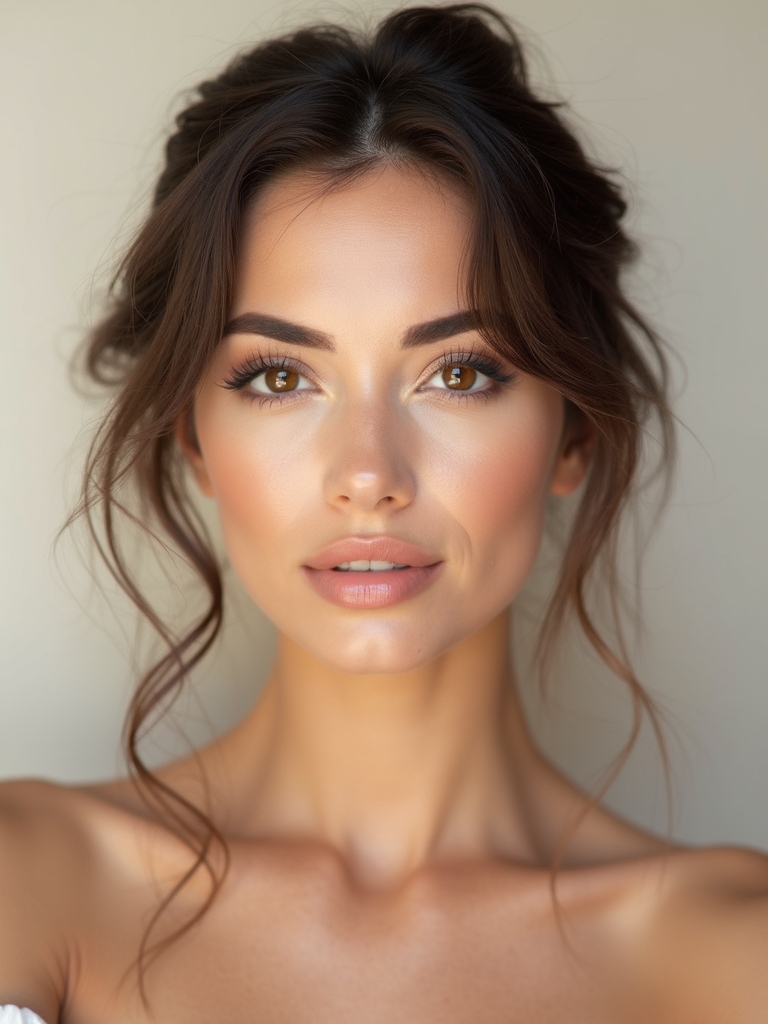
Brows frame the whole face, so they earn their place in the routine. The modern approach is feathered and natural, built with hair-like strokes for a believable shape.
Soft and Feathered
Brush the hairs up first, then fill only the sparse areas with short, light strokes in a shade close to your own. Set with a clear or tinted gel to lock the shape in place.
The goal is fuller-looking but believable brows, never blocky. A shade too dark or a line too hard is what makes brows look drawn-on, so keep it soft.
Sculpted Warmth, Softly Blended
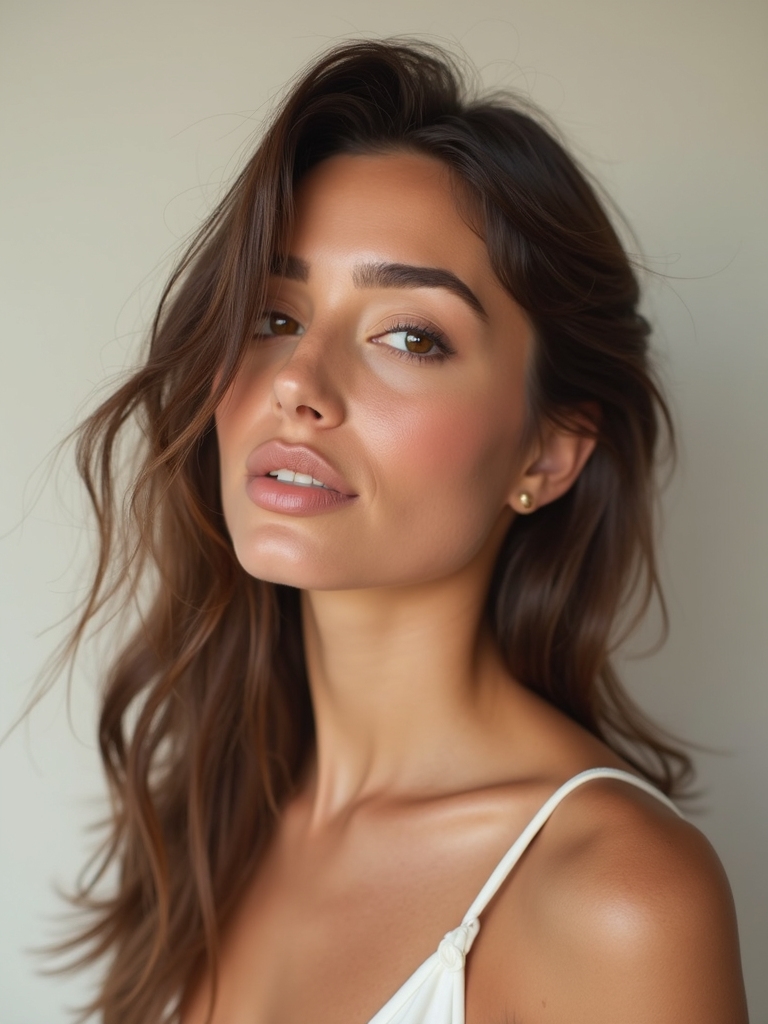
Sculpting adds warmth and dimension, and the modern version is soft and subtle. Think warmth where the sun would hit, kept gentle and blended.
Use a cream bronzer a shade or two deeper than your skin, sweep it on the temples, the hollows of the cheeks, and along the jaw, then blend thoroughly with a sponge. The blend is everything; an unblended line is what reads as obvious contour.
- Use a cream bronzer, blended soft for warmth
- Place it where the sun naturally warms the face
- Blend thoroughly so there’s no visible edge
Creamy, Strategic Dewy Highlight
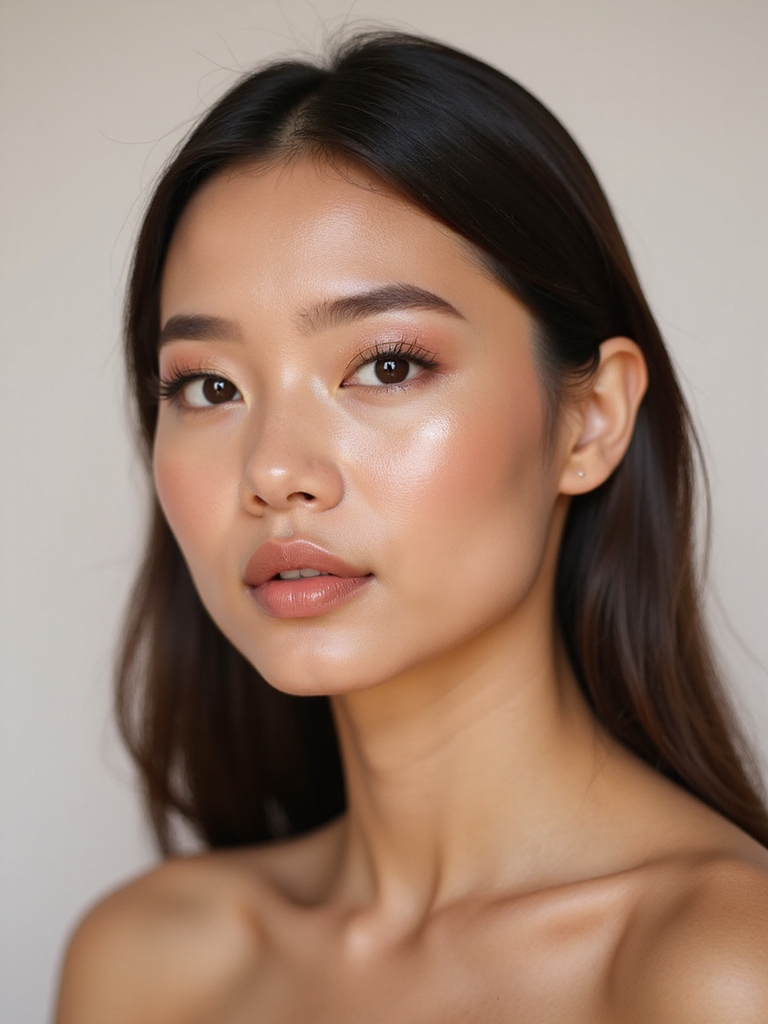
A creamy, strategic dewy highlight is the finishing glow, and placement is the whole skill. The method:
- Press a cream or liquid highlighter onto the tops of the cheekbones
- Add a touch on the nose bridge, cupid’s bow, and inner eye corners
- Skip the forehead and jaw, where shine just looks oily
- Use a finger so it melts in for a lit-from-within glow
Prime, Cream, Set: Waterproof Eyes
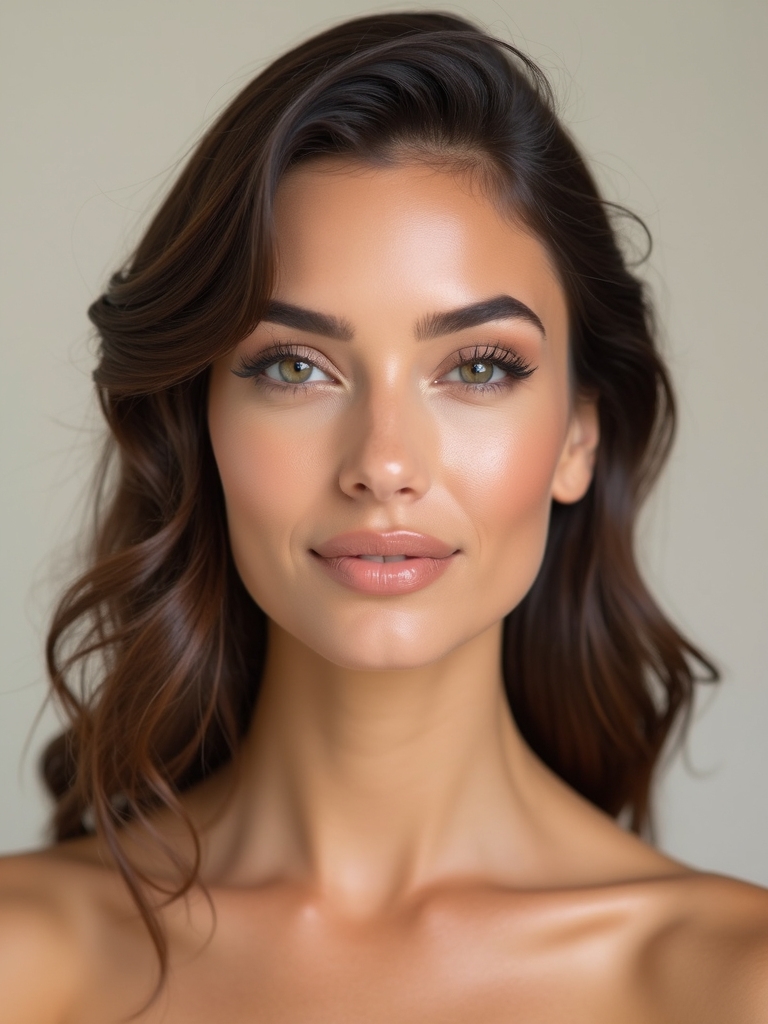
For eye makeup that lasts, the routine is prime, cream, set, and go waterproof where it counts. An eye primer stops shadow from creasing and fading.
Prime the lids, apply cream or powder shadow, and set any liner with a matching powder to lock it. Use waterproof formulas for mascara and liner if you have oily lids or a long day ahead, since they outlast the regular versions.
This little sequence is why some people’s eye makeup survives to midnight and others’ is gone by lunch. Brown-eyed readers can find shade ideas in our makeup for brown eyes guide.
Sharpen, Outline, Fill, Set: Lips
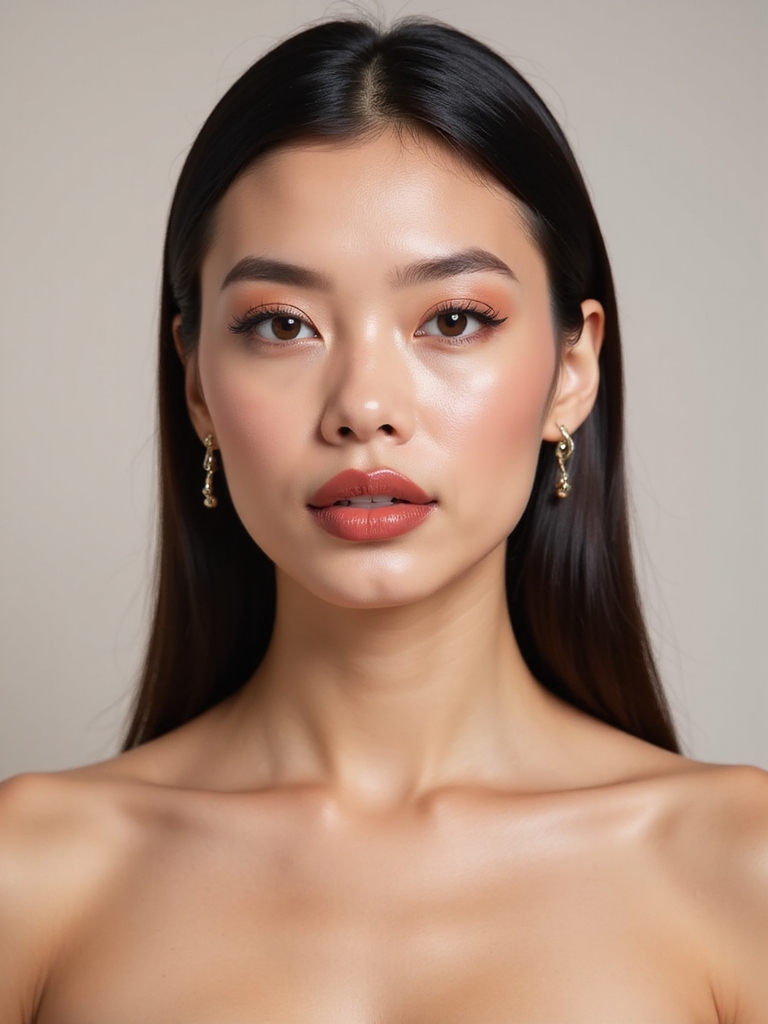
A lasting lip has its own mini-routine: sharpen, outline, fill, and set. Skipping these steps is why lipstick bleeds and fades within an hour.
Why Lipstick Fades, and the Fix
Line the lips with a sharpened pencil to outline and prevent feathering, fill them in completely with the liner for a base, then apply your lipstick on top. Blot, add a second layer, and the color holds for hours.
For a sheer, low-effort lip, skip the liner and just press a stain into the center. But for a bold shade that has to last, the full routine is worth the extra minute.
Lock It In With Setting Spray
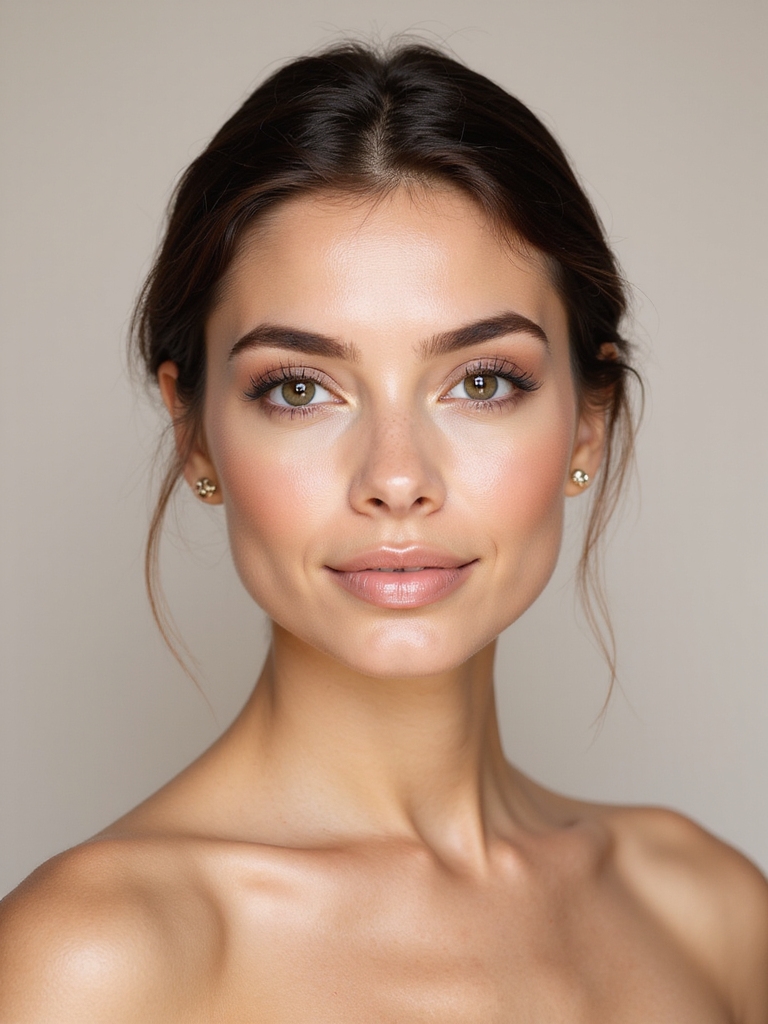
The final step in any lasting routine is a setting spray, which melds all the layers together and keeps them put. It’s the lock on the door.
Spritz a setting spray in an X and a T across the face from a little distance, choosing a mattifying formula for oily skin or a dewy one for dry. It cuts the powdery look, fuses cream and powder, and noticeably extends how long everything wears.
- A setting spray fuses the layers and locks them
- Choose mattifying for oily, dewy for dry skin
- Cuts the powdery look and extends wear
Maintenance and Care Through the Day
Even a perfect routine needs a little upkeep over a long day. Blot, don’t powder, to handle midday shine, since a blotting paper lifts oil without adding layers that go cakey. Keep a cream blush or a lip in your bag to refresh the color that fades first.
For touch-ups, a quick spritz of setting spray revives a tired, powdery face better than more product does. And always remove your makeup properly at night, because the best morning routine means nothing if you sleep in it. Clean skin is what keeps tomorrow’s base smooth. For the softest everyday version of all this, see our natural makeup guide.
Makeup Routine: Quick Answers
?What order should I apply makeup in?
Skincare and SPF first, then primer, color-corrector, foundation, and concealer. Apply cream products like blush and bronzer before any powders, then set, do eyes and lips, and finish with setting spray. Creams always go before powders.
?How can I make my makeup last all day?
Start with grippy skincare and primer, set only your oily zones, and layer cream-then-powder so nothing slides. Finish with a setting spray matched to your skin type, and blot rather than powder to refresh through the day.
?Do I really need primer?
It helps but isn’t mandatory. Primer smooths texture and helps makeup grip, which matters most on oily or textured skin. On normal-to-dry skin, a good moisturizer can often do the same job.
?How do I match my foundation shade?
Match it to your jaw or neck in natural light, checking both depth and undertone, warm, cool, or neutral. A shade that disappears into your skin is right; one that looks gray or orange is simply the wrong undertone for you.
?How do I keep makeup from looking cakey?
Use less product in thin layers, set powder only where you’re oily, and always keep creams under powders. Cakiness comes from too much product and powder pressed over dry patches.
A Routine You’ll Actually Keep
A good makeup routine comes down to doing a handful of steps in the right order, not to owning the most products. Prep your skin, build sheer, layer cream before powder, and lock it in, and even a five-minute face looks polished and lasts.
Bookmark this order and run through it a few mornings until it becomes muscle memory. Once the sequence is second nature, you’ll get a smoother, longer-lasting finish in less time than your old, haphazard routine ever took.
You Might Also Like