
Here’s a scene I see weekly: someone sits down with fine hair, holds up a photo of cascading mermaid layers, and asks why their hair never looks like that. The honest answer is that the photo is thick hair, and haircuts for thin, fine hair follow their own rules that the cut is usually fighting. Fine hair has its own rules, and they’re good ones.
These fourteen cuts work with fine, thin hair instead of trying to fake what it isn’t, mostly blunt lines, smart lengths, and minimal, well-placed layers that build the look of density. For each one I’ve noted why it works and how to wear it, with the honest trade-offs a stylist would tell you in the chair.
Fine-Hair Cuts At A Glance
| Cut | Why it works | Effort |
|---|---|---|
| Blunt bob | Creates density at the ends | Low |
| Textured pixie | Built-in lift, easy | Low |
| Collarbone lob | Length without thinning ends | Medium |
Blunt Bob For Density

A blunt bob is the single best cut for fine hair, and there’s real logic to it: cutting every strand to the same length stacks them at the bottom, so the ends look dense and full instead of wispy. It’s the cut I recommend first to almost anyone with fine hair.
I cut it one length, usually between the chin and jaw, with a clean, heavy perimeter. The blunt line is the whole point, so I keep layering to a minimum or skip it entirely.
It suits straight and wavy fine hair especially, and a chin-grazing length holds body best. The honest trade-off: it needs a sharp re-cut every six to eight weeks to keep that clean line. For the blonde version, blonde lob shows a longer take.
Sleek Chin-Length, Minimal Layers

A sleek chin-length cut with only minimal layers is the modern, polished fine-hair option. The short length means less weight pulling the hair flat, so it holds body, and keeping layers to a few soft pieces preserves the dense perimeter.
I add just a couple of long internal layers for movement, with no short choppy ones that thin the ends. Worn sleek and smooth, it looks expensive and intentional. It’s a low-effort, high-impact cut for fine straight hair especially.
If you have fine hair and remember one thing, make it this: blunt cuts build density, heavy layering removes it. The scissors do more than any volume product.
Sophisticated Textured Pixie
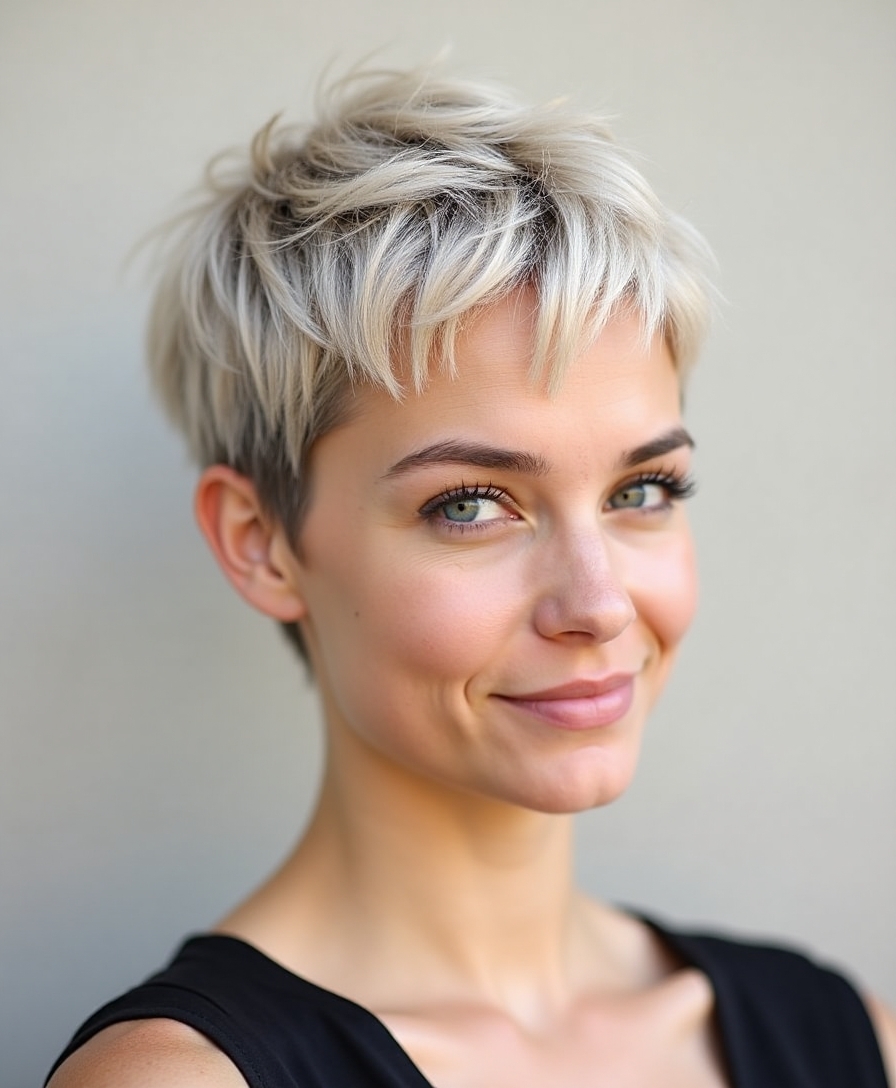
A pixie can look fuller on fine hair than long hair ever will, because short hair stands up and away from the head, creating instant lift. A textured, piecey pixie is among the most freeing cuts for fine hair.
Why Short Helps Fine Hair
I cut texture into the top so it can be styled with height, keeping the sides and back close. A little texturizing paste gives separation and the look of more strands.
Long fine hair hangs heavy and flat, while short hair has lift built in. A pixie removes the length that drags hair down, so it looks fuller. The trade-off is frequent trims, every four to six weeks, to keep the shape. For more cropped ideas, short layered hair go further.
Precision Cuts For Movement
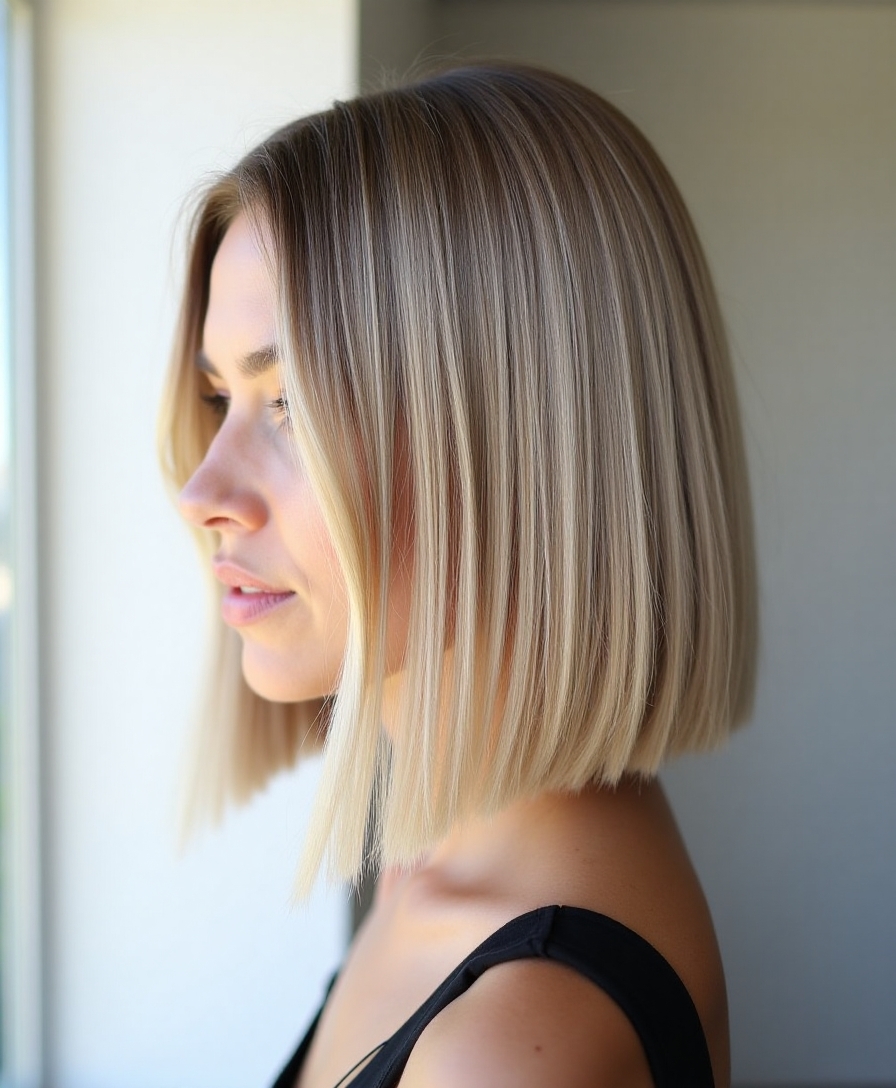
Precision cutting, clean, exact lines built to a specific shape, is fine hair’s best friend, because every strand is placed to maximize the look of fullness. A precise cut creates movement and structure that fine hair can’t fake on its own.
Precision Versus Over-Layering
I use sharp, blunt or point-cutting techniques to keep weight where it adds density, removing it only where the shape needs to move. The geometry does the work. A precision fine-hair cut runs about $50 to $120 depending on the salon.
A precise cut adds movement while keeping the hair’s weight, where heavy random layering scatters the few strands fine hair has and makes it look thinner. The skill is in placement, so it’s worth seeing a stylist who specializes in fine hair.
👍Why a pixie works
- +Instant lift and fullness
- +Low daily styling
- +Shows off your features
👎Worth knowing
- –Needs a trim every four to six weeks
- –A big change to commit to
- –Grows out faster than long cuts
Low-Maintenance Angular Lob

An angular lob, longer at the front and slightly shorter at the back, is a low-maintenance fine-hair winner. The angle creates a strong line that looks like structure and density, and the longer front pieces frame the face.
The Length Sweet Spot
I keep it mostly one length with a clean angled perimeter, adding only the lightest internal texture. It holds a blowout and air-dries well.
For fine hair, a lob at or just above the collarbone is the sweet spot: long enough to feel versatile, short enough that the weight doesn’t pull out all the body. Past the shoulders, fine hair tends to look thin and stringy. For more mid-length cuts, layered haircuts for medium hair cover options.
Razor-Cut Texture

Razor cutting can add soft, wispy texture, but on fine hair it comes with a real caveat: an aggressive razor can fray and thin already-delicate ends. Used lightly by a skilled hand, it adds movement; used heavily, it works against you. Here’s the honest approach:
- Use razor texturizing sparingly, and only with a stylist who knows fine hair.
- Keep it to the surface for movement, never thinning the ends.
- If your ends split easily, skip the razor and ask for point-cutting instead.
Two fine-hair myths worth dropping:
❌ Myth: Long hair looks like more hair.
✅ Reality: Long fine hair hangs flat and thin at the ends; a shorter blunt cut almost always looks fuller.
❌ Myth: Layers always add volume.
✅ Reality: On fine hair, heavy layers remove density; only minimal, placed layers help.
Collarbone-Length Cut

Collarbone length is the longest a fine head of hair can usually go while still looking full. At this length, the weight is balanced, the ends still look dense, and you keep enough length to tie back or wave.
The Longest Length That Still Looks Full
I cut a clean perimeter at the collarbone with minimal layers, so the bottom stays thick. A few face-framing pieces add shape without removing density.
Beyond the collarbone, fine hair starts to look thin and see-through at the ends, where the strands taper. Collarbone is the practical maximum for most fine hair. For thin-hair styling at length, long blonde hairstyles for thin hair cover the options.
French Bob For Fine Hair

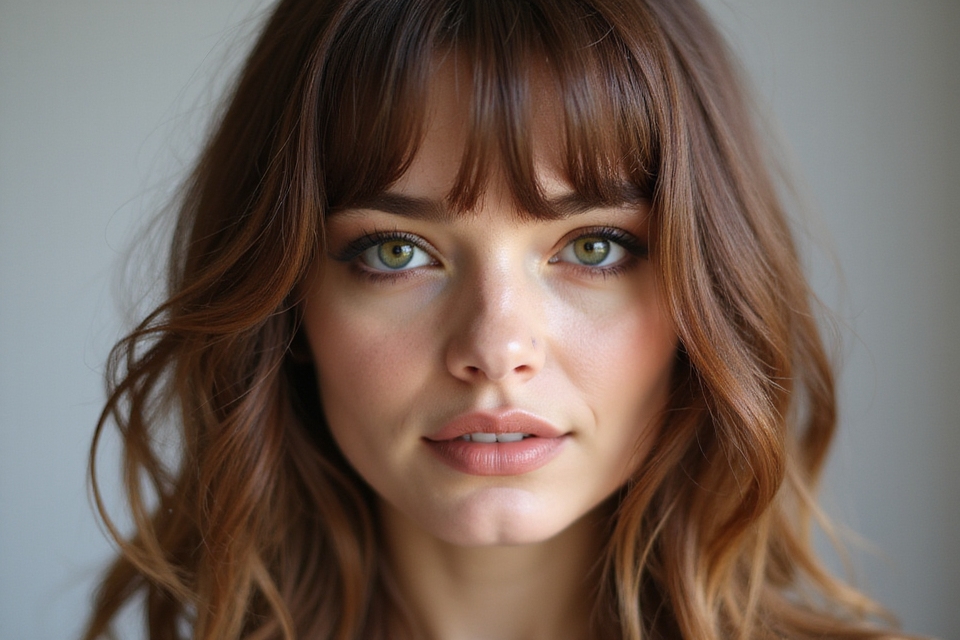
A French bob, a short, blunt, chin-length cut often with a fringe, is made for fine hair. The blunt line builds density, the short length adds lift, and the optional fringe adds a second blunt edge of fullness. It’s quietly chic and very current.
I cut it just at the chin with a heavy perimeter and a soft, wispy fringe. It’s low-maintenance once cut and air-dries with a little tousle. For more fringe ideas, layered hair with bangs cover the options.
- Keep it chin-length with a clean, blunt perimeter for density.
- Add a soft fringe for a second line of fullness.
- Air-dry with a texture spray for an undone, French finish.
Pro Tip
If you want to keep length but your ends look thin, ask your stylist for a dusting, a tiny trim that removes only the wispy, see-through ends. It restores the look of density without losing real length.
Lightweight Fringe

A fringe is a quiet power move for fine hair, because it adds a whole section of blunt, dense-looking hair right at the face. A soft, lightweight curtain or wispy fringe is the most flattering, adding fullness without the heaviness that can look stringy on fine strands. I keep it airy and face-framing so it blends into the cut, and it instantly makes the hairline look fuller. It’s the lowest-commitment way to add the look of density.
- Choose a soft, lightweight fringe over a heavy, blunt one.
- A curtain or wispy fringe adds fullness at the hairline.
- Keep it blended into the cut so it air-dries easily.
Asymmetrical For Fullness

An asymmetrical cut, one side longer than the other, tricks the eye into seeing more volume, because the uneven line adds dimension that flat, fine hair lacks. It’s a modern, editorial way to build the look of fullness.
I build a clear difference between the two sides, keeping the perimeter clean so density stays at the ends. The asymmetry creates movement that fine hair can’t produce on its own.
It suits straight and wavy fine hair and someone who likes a bolder, fashion-forward shape. The trade-off is that it needs precise upkeep to hold the line. Worn with a deep side part, the volume looks even fuller.
Blunt Bob For Volume

The blunt bob earns a second mention because styling it right doubles its fullness. Where the cut builds density, the styling adds lift: a root-boost at the crown and a blow-dry with the ends bent under make a blunt bob look truly thick.
I blow-dry with a round brush, lifting at the roots and curving the ends inward so they stack and look dense. A texture spray at the roots locks the lift.
- Root-boost at the crown for lift where fine hair falls flat.
- Blow-dry the ends under so they stack and look dense.
- Finish with a light texture spray, not a heavy product that drags.
Gentle Layering Done Right
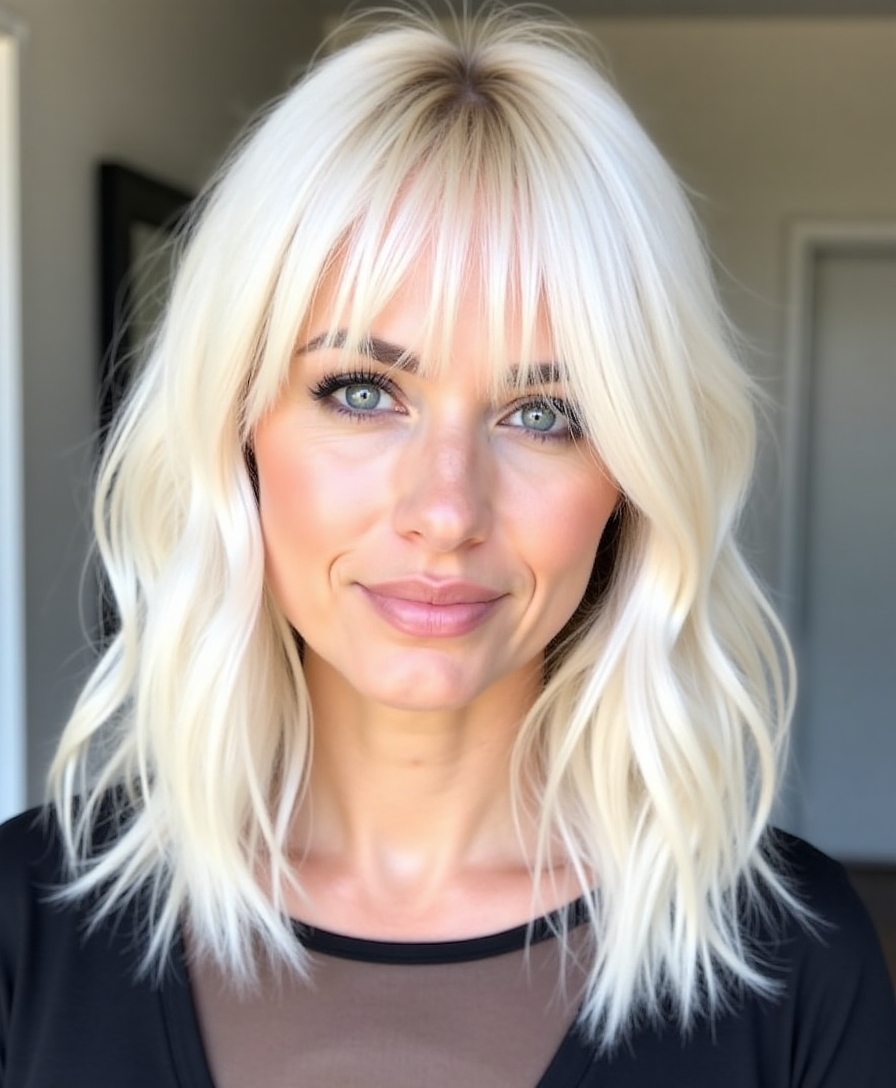
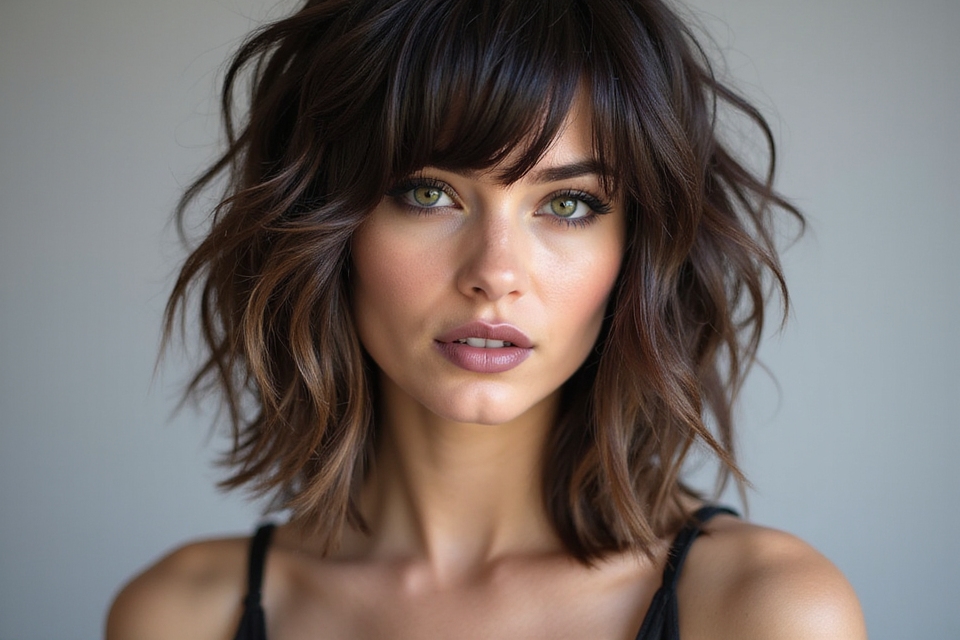
Layering and fine hair can coexist, but only when it’s gentle and placed with intention. A few long, soft internal layers add movement; aggressive, short, or over-thinned layers scatter the strands and make fine hair look thinner. The difference is everything.
Layers That Help, Not Hurt
I add long layers that start well below the chin, keeping the perimeter blunt and full. Done right, the layers move while the ends stay dense.
The rule for fine hair: keep the perimeter heavy and add only long, soft internal layers for movement. Skip short choppy layers and heavy thinning shears, which remove the density you’re trying to keep.
Air-Dry-Friendly Cuts

The best fine-hair cuts look good air-dried, because heat styling every day damages already-delicate strands and can make them look even finer over time. Blunt bobs, French bobs, and textured pixies all air-dry beautifully, holding shape without a blowout.
I cut these so the shape is built in, meaning the hair falls into place as it dries. A little mousse or texture spray on damp hair adds body without weight.
This matters for hair health as much as convenience: less heat means less breakage, and fewer broken strands means hair that looks fuller. The honest move for fine hair is choosing a cut you don’t have to fight every morning.
Regular Trims For Healthy Ends

Nothing makes fine hair look thinner than split, wispy ends, so regular trims are non-negotiable. Fine hair shows damage faster than thick hair, and frayed ends taper to nothing, which looks thin. A trim every six to eight weeks keeps the perimeter dense.
I tell fine-hair clients that trims aren’t about length, they’re about density: cutting off the see-through ends restores the full, blunt line. Pair regular trims with gentle, low-heat styling and a lightweight conditioner, and fine hair looks its fullest. For special occasions, wedding hairstyles for thin hair cover updo options.
Fine-Hair Haircut Questions, Answered
?What is the best haircut for fine, thin hair?
A blunt bob or lob. Cutting every strand to one length stacks density at the ends, so the hair looks fuller than long, layered styles. A textured pixie is the best short option for instant lift.
?Do layers make fine hair look thinner?
Heavy or short layers do, because they scatter the few strands fine hair has. Only minimal, long, well-placed layers help, and even then the perimeter should stay blunt and full.
?How long can fine hair grow and still look full?
About collarbone length for most people. Past that, the ends taper and look thin and see-through. If you want length, keep a blunt perimeter and trim the wispy ends regularly.
Work With It, Not Against It
The thread through all fourteen is the same: fine hair looks best when the cut builds real density instead of faking it. Blunt lines, smart lengths, gentle layering, and regular trims do more than any volumizing product, because they change the actual structure of the hair. Fine hair isn’t a flaw to disguise; it just has rules, and they reward following.
If you take one idea to your next appointment, make it this: ask for a blunt perimeter and minimal layers, and resist the urge to go very long. Bring a photo of someone with similar hair texture, along with a style you like, so you and your stylist start from the same place.
Keep Reading